

.jpg "Speeding up 5G infrastructure investment")


Gửi bình luận
Proactively preparing land-fund, completing infrastructure and attracting investors to develop housing projects are among the directions the Hai Phong city.
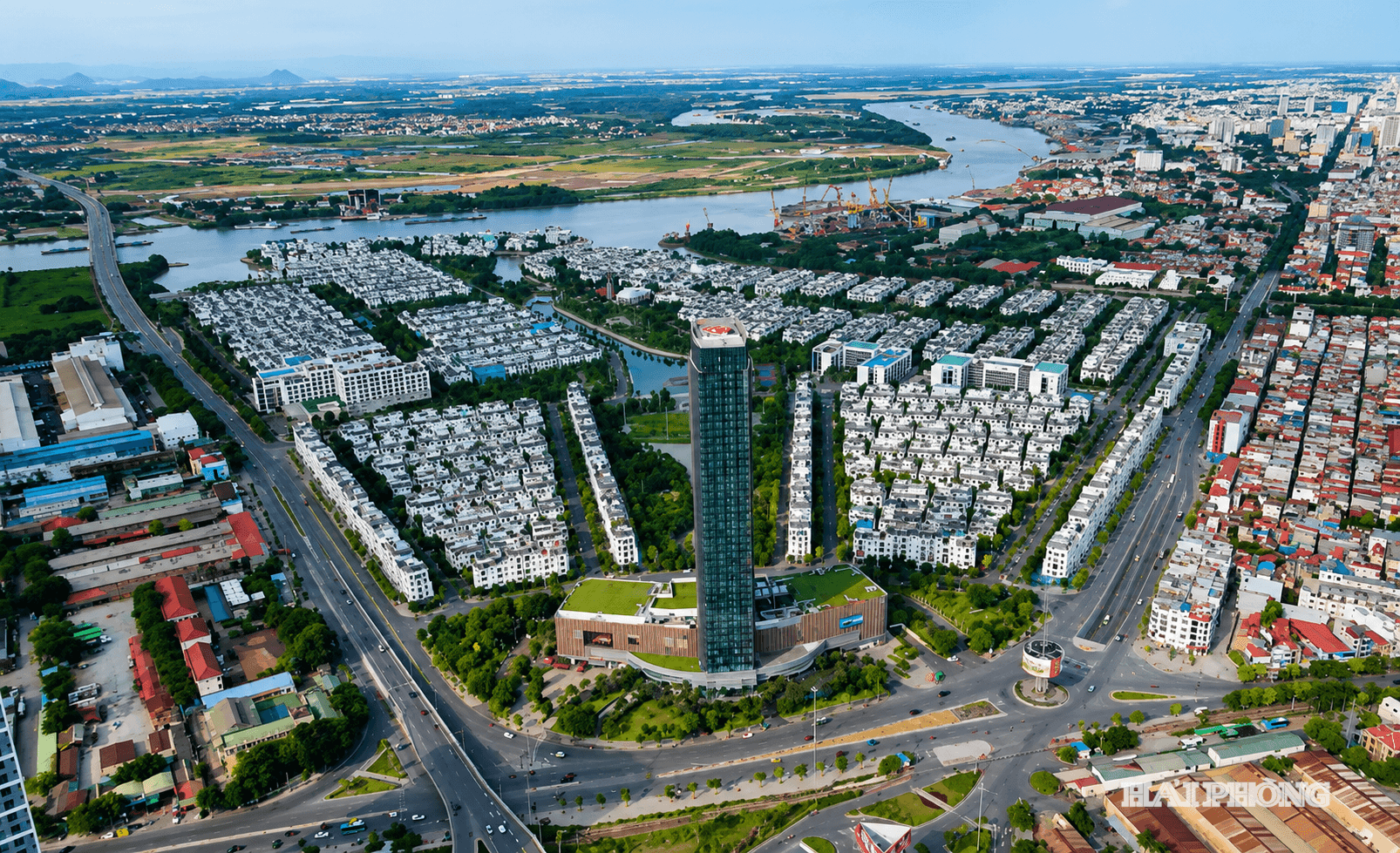
Recently, a list of 24 land plots calling for investment in 2026 was announced across many communes and wards. These are all areas with strong urban development potential and are planned with synchronized technical and social infrastructure. The public disclosure of the list helps investors access information proactively while also speeding up the implementation of projects in line with the planning, including housing projects.
Beyond investment calls, a number of land plots have quickly been brought into implementation. At the end of July, the city handed over more than 3.2 hectares of land to Dai Loc Housing Development Joint Stock Company to build a high-rise mixed-use and commercial-service complex in the Bac Song Cam Urban Area. The project was launched immediately after land-related procedures were completed, showing that land funds prepared early have helped shorten investment preparation time and accelerate implementation progress.
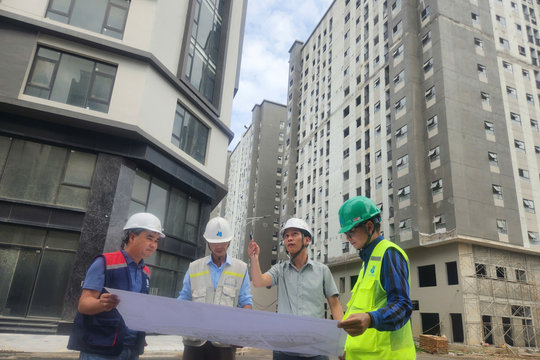
To proactively create resources for housing development, the Hai Phong People’s Council has just approved an additional more than VND 774 billion in charter capital for the City Development Investment Fund to carry out tasks of the local housing fund. This capital will be used for compensation, site clearance, technical infrastructure investment, creation of clean land funds and development of social housing and rental housing, helping the city be more proactive in preparing land before projects are rolled out.
Diversifying housing supply
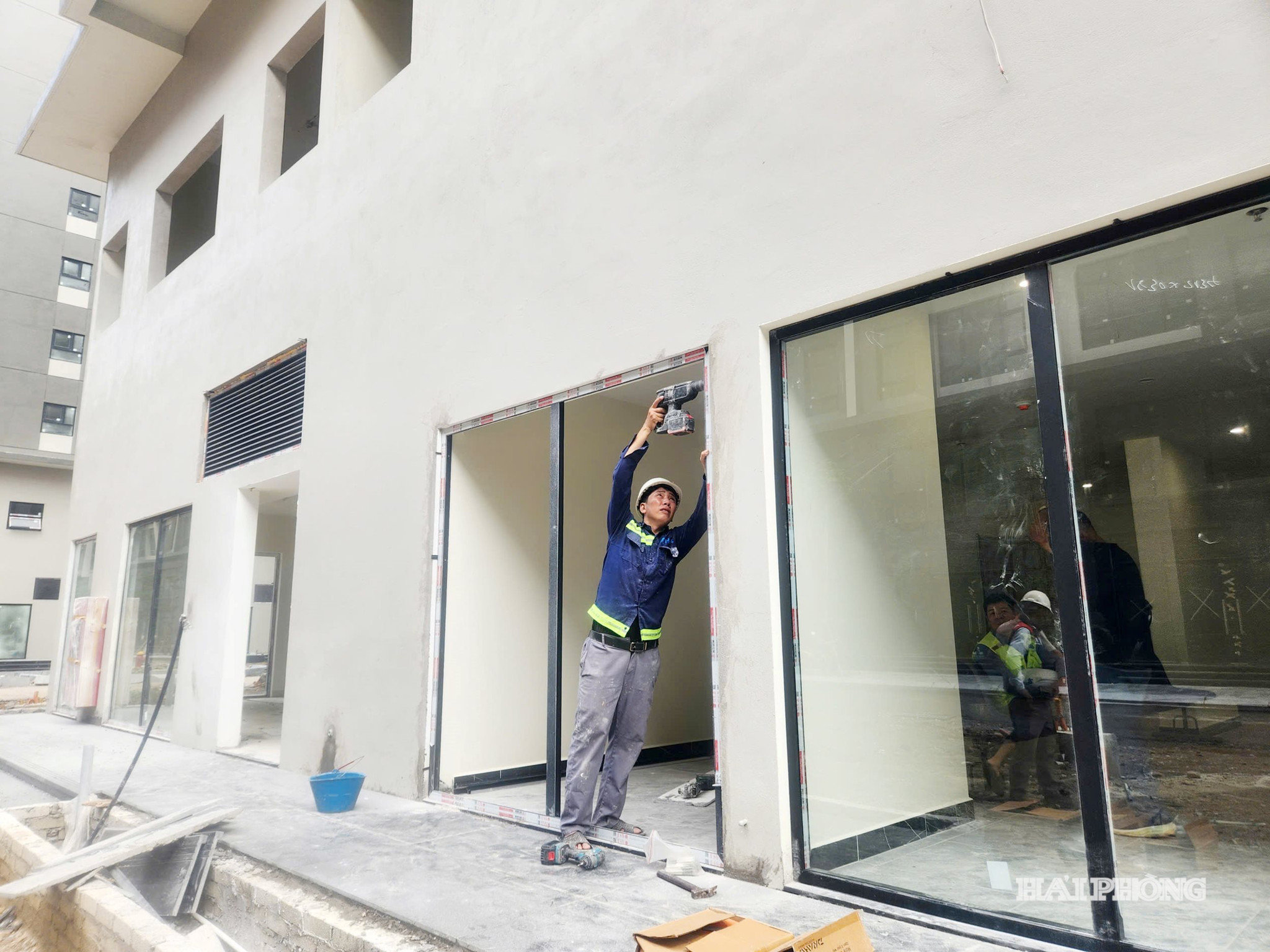
A new highlight in the city’s housing development orientation is its focus on developing rental housing stock. For the 2026-2030 period, the city aims to develop around 19,500 units, including about 9,500 units created through support for families and individuals to upgrade rental housing to standard conditions, and the remaining 10,000 units invested through social housing projects, worker accommodation and state-invested or state-reacquired housing for rent.
Proactively creating land funds helps the city arrange housing types in a more suitable way across different areas. In industrial development zones, land is prioritized for social housing, worker accommodation and rental housing; in new urban areas, land is planned in a synchronized manner for commercial housing, public facilities, green space and technical infrastructure. This approach not only increases housing supply but also helps form residential areas with complete infrastructure, meeting people’s long-term settlement needs.
Well-prepared land funds will not only help the city proactively meet increasing housing demand, but also lay the groundwork for sustainable urban development in the time ahead.
Hai Phong News