



Gửi bình luận
Hai Phong's health sector is accelerating digital transformation to achieve the goal of "one doctor for every citizen" while shifting from a treatment-centered approach to proactive health management.

For many years, a common habit among many people has been to visit a medical facility only when they experience unusual symptoms. As a result, many diseases are detected only at a late stage, reducing treatment effectiveness while increasing financial burdens on patients, their families, and society.
This reality highlights that a modern healthcare system cannot focus solely on treating illnesses. Instead, it must place greater emphasis on health management, disease prevention, and early detection of health risks. This principle is also reflected throughout a draft circular guiding the implementation of several components of the National Target Program on Health Care, Population, and Development for the 2026 – 2035 period, which the Ministry of Health is currently seeking public feedback on.
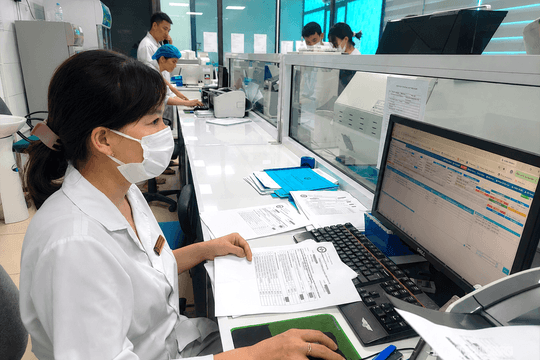
Under the draft, by the end of 2027, all commune health stations will deploy the commune health station digital platform, while Electronic Health Records and Electronic Health Books on the VNeID application will be implemented nationwide. Every citizen will have a lifelong electronic health record that is continuously updated, enabling healthcare providers to comprehensively monitor health conditions, medical history, and treatment records.
Notably, the goal of "one doctor for every citizen" does not mean that each person will have a personal physician. Rather, it means that every citizen will receive regular health management through the grassroots healthcare system and digital platforms, allowing abnormal health conditions to be detected early, appropriate medical advice to be provided promptly, and treatment to be delivered in a timely manner. This represents a fundamental shift from treating illness to proactively managing health.
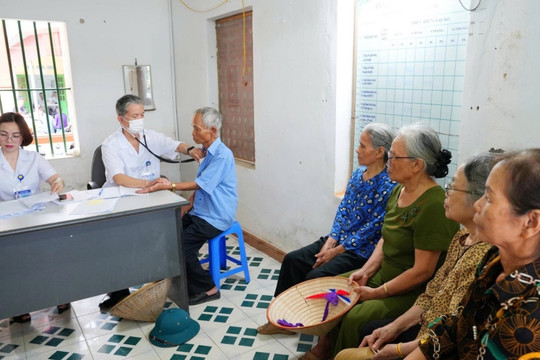
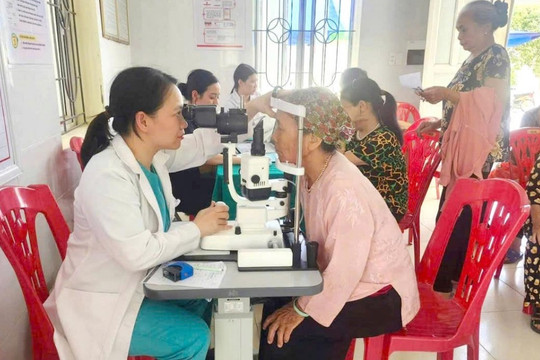
This approach is already being translated into practical action in many localities. In Hai Phong, the city is providing periodic health checkups and free health screening programs for residents as part of its efforts to gradually build a model of a "city providing comprehensive healthcare for all." Beyond being a social welfare initiative, the program is also an important step toward establishing a comprehensive health database for the entire population.
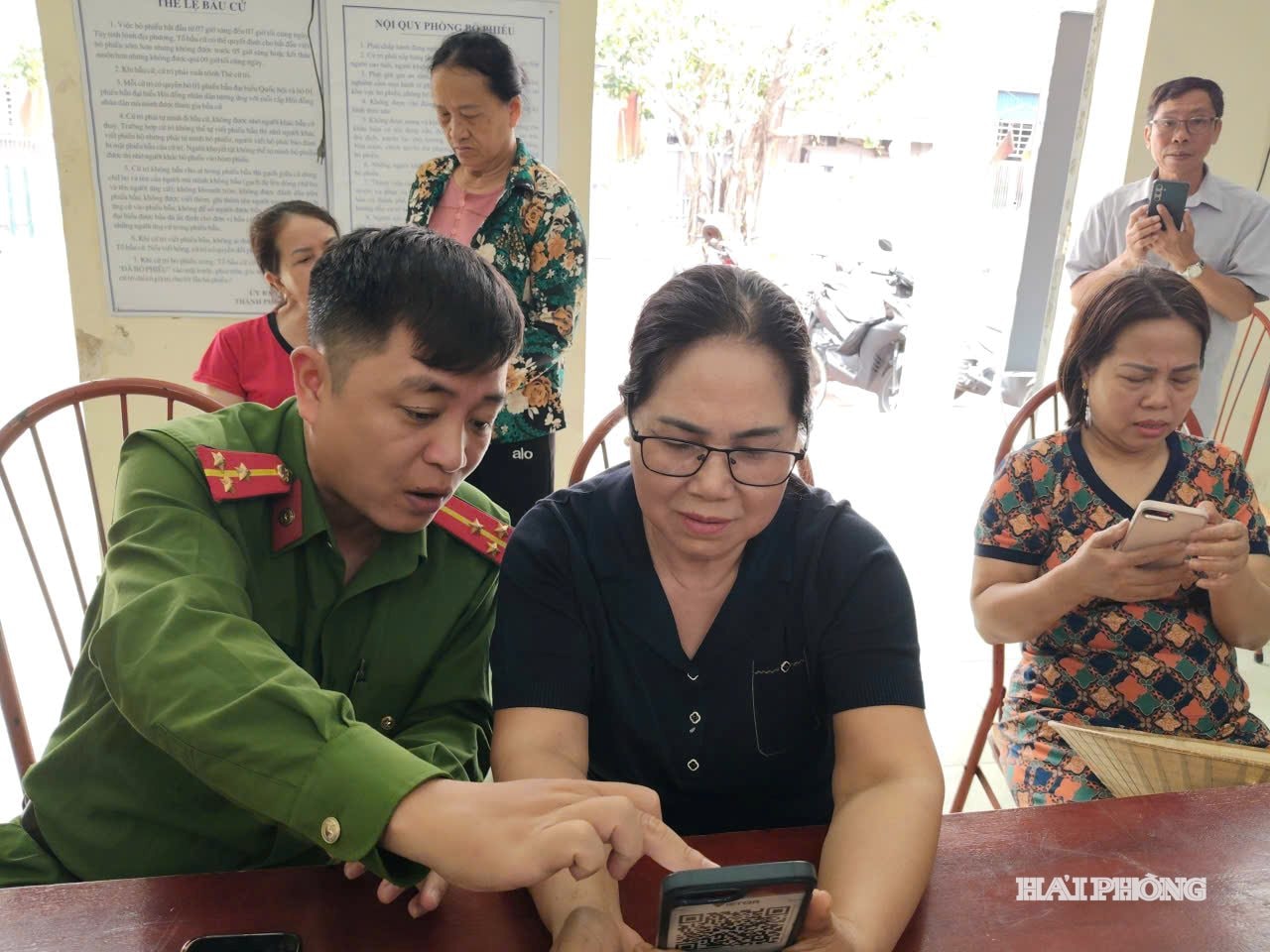
By mid-July 2026, more than 2.22 million Hai Phong residents had received health checkups and had electronic health records created, accounting for more than 52% of the city's permanent population. Hundreds of thousands of children, students, elderly people, pregnant women, and workers have also undergone health examinations and screenings tailored to their respective groups.
The city is also simultaneously implementing health examinations alongside the "100-Day Campaign to Create and Update Electronic Health Books on VNeID" while standardizing healthcare data. This demonstrates that digital transformation is not only a policy objective but also a practical solution for improving healthcare services for residents.
To make proactive health management a routine practice, it is essential to continue strengthening grassroots healthcare so that every commune health station truly becomes the primary point for managing residents' health. At the same time, digital infrastructure must be further improved to ensure that health data is integrated and standardized across the system. Public awareness campaigns should also encourage people to regard regular health checkups as an essential part of everyday life rather than something undertaken only after becoming ill.
More importantly, every citizen should take an active role in managing their own health. Electronic health records will be meaningful only if people participate in regular health checkups, keep their information up to date, follow medical advice, and adopt healthy lifestyles to prevent disease.
Digital transformation is creating new opportunities for the healthcare sector to modernize the way it manages and delivers services. However, its greatest value does not lie in introducing new software or databases. Rather, it lies in ensuring that every citizen's health is monitored more regularly, diseases are detected earlier, and quality of life continues to improve. That is the true significance of shifting from a mindset of "treating illness only after it occurs" to proactive health management, a necessary transition toward building a modern healthcare system that places people at the center and ensures comprehensive healthcare from the grassroots level.
HAI HAU