


Gửi bình luận
Hai Phong will provide free periodic health check-ups and screening for all residents starting in 2026.

Through Plan No. 201/KH-UBND, Hai Phong has reaffirmed its commitment to shifting healthcare from a treatment-focused approach to one centered on disease prevention, with people at the heart of the healthcare system. The plan not only implements the Central government's policy but also marks a strategic step toward a modern, preventive and sustainable healthcare system.
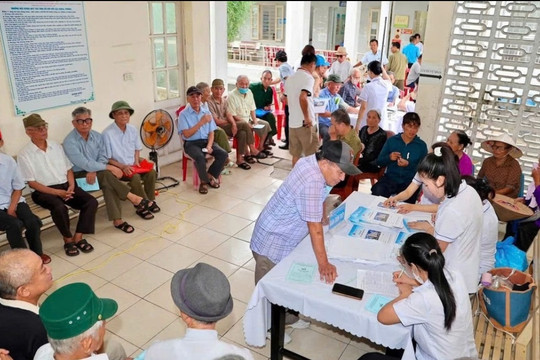
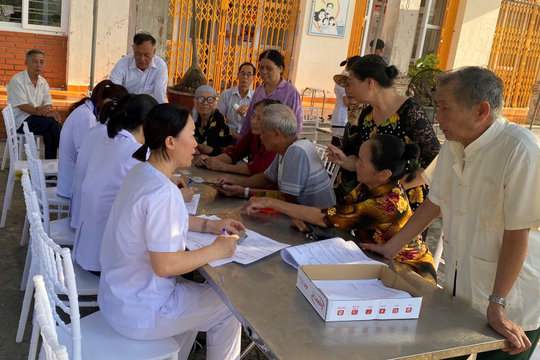
After six months of implementation, the policy has quickly delivered tangible results. More than 2.19 million residents, equivalent to about 52% of the city's permanent population, received periodic health check-ups and screening.
The program was rolled out across all 114 communes, wards and special zones. Older adults, children, students, workers, members of the armed forces and vulnerable groups were provided with healthcare services according to appropriate roadmaps.
A network of 71 qualified health examination facilities, supported by more than 25,000 healthcare workers, nearly 5,700 physicians, and doctors permanently assigned to 97.35% of health stations, provides a solid foundation for the program's implementation.
Nearly 60% of the population now has electronic health records, laying the groundwork for continuous health management and accelerating the digital transformation of the healthcare sector.
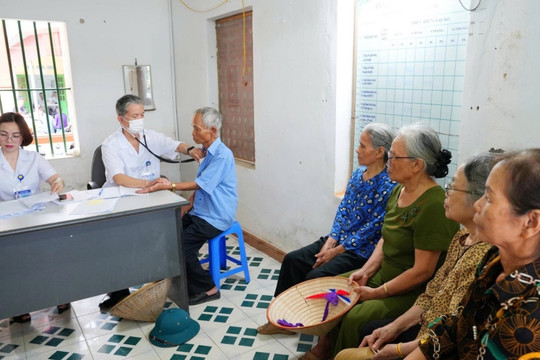
A highlight of the city's efforts is the periodic health check-up and common disease screening program for older adults under Resolution No. 49/2025/NQ-HDND. The elderly are one of the city's fastest-growing population groups, with a higher risk of chronic diseases and a greater need for regular healthcare.
By June 30, 2026, nearly 175,000 elderly people had received health examinations, reaching 102.69% of the planned target and exceeding expectations.
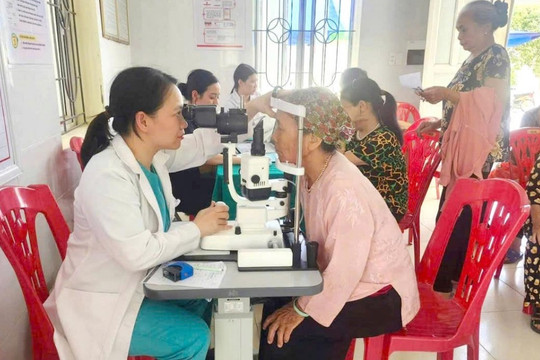
Beyond the numbers, the program also delivered strong professional outcomes. Many health centers proactively invited specialists from provincial-level hospitals to join medical teams, strengthened staffing, upgraded equipment, and followed the Ministry of Health’s professional guidelines.
To make periodic health check-ups a cornerstone of universal healthcare, the city needs to further strengthen the leadership role of grassroots Party committees and authorities, treating health examination outcomes as one of the criteria for evaluating local governance. It should also complete the network of population collaborators and community health workers to ensure every household and eligible resident is reached; prioritize investment in primary healthcare facilities; accelerate the completion of electronic health records; and continue mobilizing social resources while expanding the participation of hospitals, private healthcare providers and businesses in community healthcare.
The results achieved so far demonstrate that Hai Phong is on the right track in building a universal healthcare model. As remaining challenges related to human resources and healthcare infrastructure continue to be addressed, the goal of providing every resident with at least one free health check-up each year will become an important foundation for building a healthier, more sustainable city where people remain at the center of all development policies.
THANH NGA