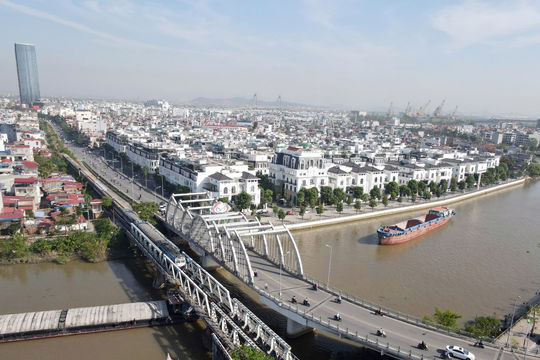
-4ba369af722e028c3d36e3ec1b6babee.jpg "Hai Phong sets timeline for five key transport projects in city center")
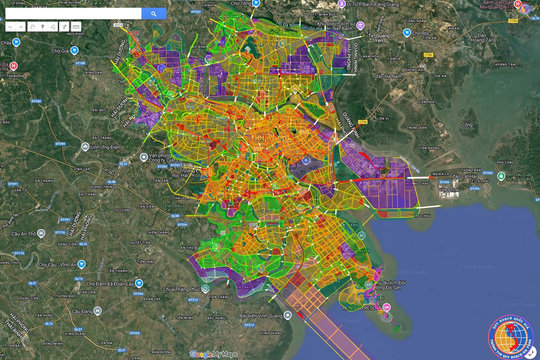
.jpg "1/500 plan approved for Ninh Giang Inland Waterway Port Project")

Gửi bình luận
Hai Phong City is gradually preparing infrastructure to enable the development of green transport modes, meeting the requirements for a modern, low-emission transport transition.
Proactively embracing the trend
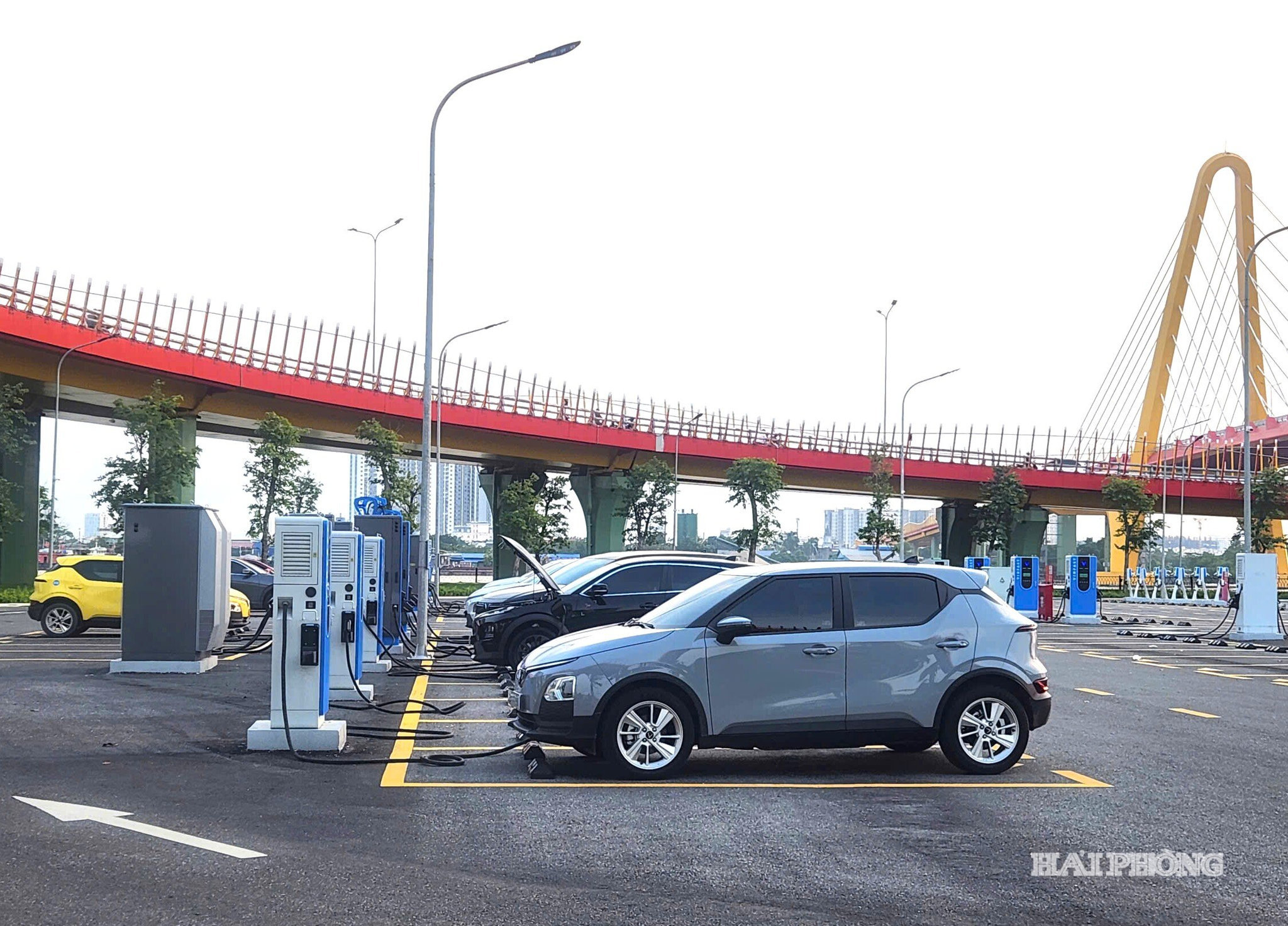
Recently, at the VSIP Hai Phong urban, industrial and service area, EV charging stations have been added to the suite of amenities for residents. This is one of the infrastructure items that enterprises are prioritizing as electric-powered vehicles become increasingly common.
The approach aligns with the orientation set out in Resolution 08-NQ/TU on Hai Phong City’s green transition for the 2026–2030 period, with a vision to 2050. The resolution identifies the development of a charging station network as a measure to support the shift of transport vehicles to electricity and green energy.
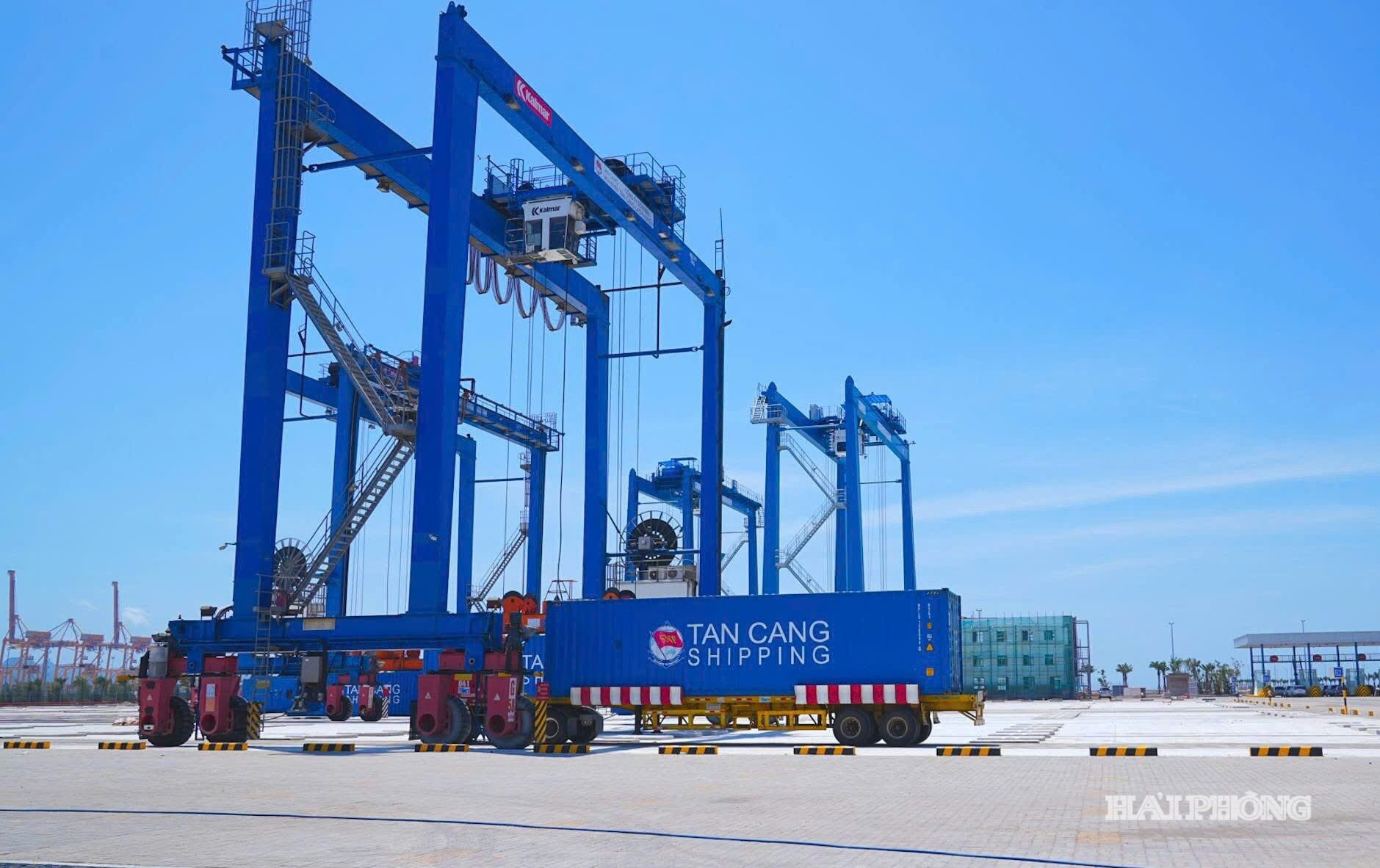
For Hai Phong, infrastructure for green transport is also closely linked to the seaport system. In the Lach Huyen area, the Tan Cang Lach Huyen Logistics Center, Phase 1 has officially been put into operation. Covering 12.4 hectares with a capacity of 8,000 TEUs, the project uses four electric rubber-tired gantry cranes and aims to become a green logistics model in the Lach Huyen deep-water port area.
For inland waterways, the city is implementing a project to enhance container transport capacity on the Bac Ninh–Hai Phong route. Alongside the shipping line, local enterprises are investing in and upgrading inland ports and wharves, container handling yards, warehouses, inland container depots, and logistics connectivity routes. This infrastructure directly facilitates the transfer of containers from seaports to barges, reducing the need for container trucking on roads.
For railways, the city is studying the planning of a station system integrated with transport infrastructure and logistics services under a transit-oriented development (TOD) model. Freight station infrastructure, handling yards, and connecting lines between stations, seaports and logistics centers will determine the feasibility of moving containers from ports to rail, thereby cutting emissions on road corridors.
Completing the network
Resolution 08-NQ/TU sets out the establishment of mechanisms and policies to encourage the development of EV charging station networks and battery-swapping systems, ensuring synchronicity and meeting usage demand. Charging points therefore need to be located in line with travel needs.
This is also a key concern for many electric transport operators. Mr. Nguyen Van Quy, a representative of En Vang Taxi, said a convenient charging network helps companies manage their fleets more effectively, reducing the time vehicles spend running empty while searching for charging points or waiting to charge. As the number of EVs grows, this requirement becomes increasingly critical.
Building on charging infrastructure, Hai Phong City is taking a broader view of public transport infrastructure. Resolution 08-NQ/TU directs urban development linked to public transport under a TOD model, placing public transport at the center of urban space. Areas around transport hubs are planned to ensure easy access for residents and transfers between transport modes.
Hai Phong News