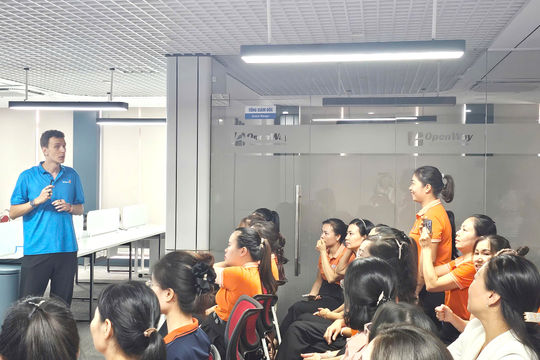
.jpg "Creating English learning environment through teachers")
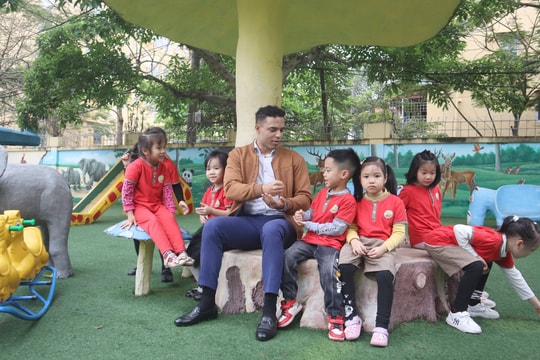
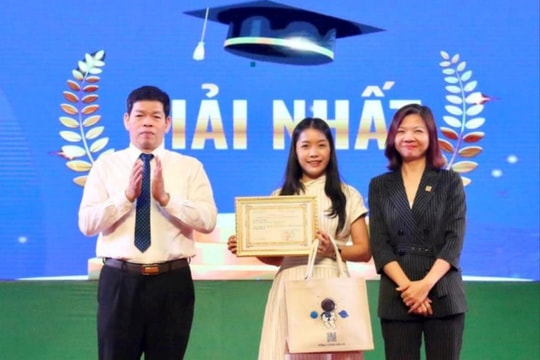
.jpg "Hai Phong students win first prize at English public speaking contest")

Gửi bình luận
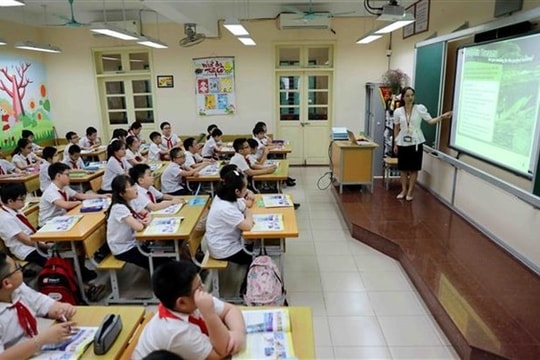
Many primary schools in Hai Phong are adopting creative approaches to create an authentic English-speaking environment, gradually making English a second language in schools.
Diverse approaches
The biggest shift in thinking at many schools today is moving from “teaching English” to “using English”, creating more opportunities for students to be exposed to English and to listen, speak, read and use the language in their studies, daily activities and experiential learning.
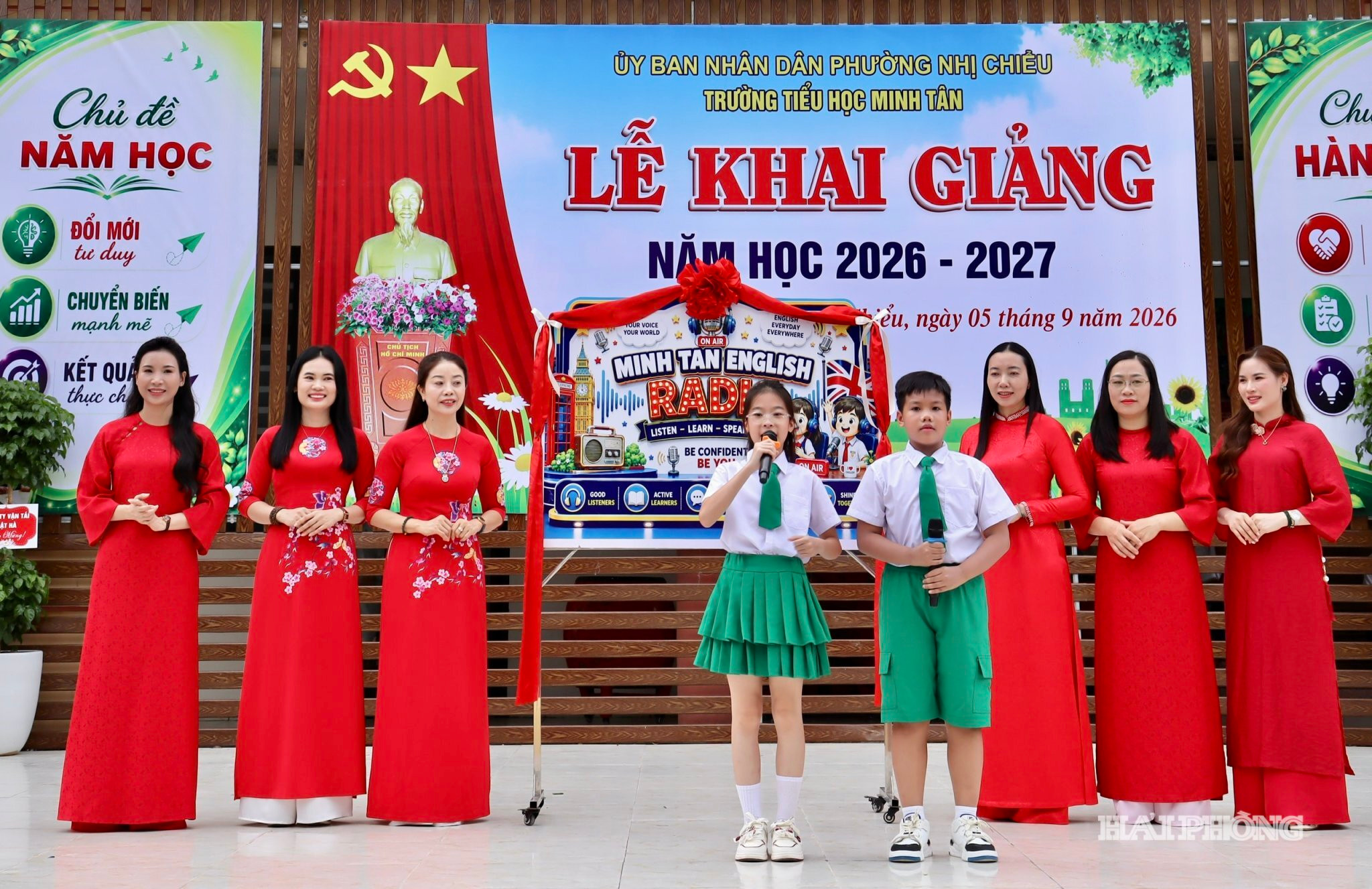
At Minh Tan Primary School in Nhi Chieu Ward, an English-speaking environment has been developed comprehensively, from bilingual Vietnamese-English surroundings featuring signs, directional boards, functional areas and classrooms to experiential activities such as English Corner, Word of the Week and bilingual products created by students. The school is also gradually adding English and bilingual books and stories to its collection, setting up English reading corners and organizing appropriate reading activities.

According to Nguyen Thi Van, the school's principal, starting this school year, the school has introduced the “Minh Tan English Club” for school administrators and teachers. Notably, for the first time, the school has organized the “Minh Tan English Radio” program, featuring familiar content such as greetings, stories, songs, quizzes, book introductions and school news. Students take part directly as presenters, storytellers and book reviewers, and deliver presentations of their work in English.
Having established an environment for students to engage with English, schools are continuing to expand opportunities for practical use of the language. On September 22, Chu Van An Primary School in Gia Vien Ward launched the “Igniting a Passion for English” Club, putting into practice the objectives of the project “Making English a Second Language in Schools for 2025–2035, with a Vision to 2045”. Through activities such as an “English Passport”, intellectual competitions, speech contests and cultural exchanges, the club provides students with more opportunities to practice all four skills: listening, speaking, reading and writing.
Working towards making English a second language

Hai Phong has a relatively solid foundation for implementing its goal of making English a second language at the primary school level. In the 2025–2026 school year, nearly 340,000 grade-schoolers studied English, accounting for 99.18% of all students. The rate reached 97.9% in grades 1 and 2 and 100% in grades 3, 4 and 5.
Under the 2018 General Education Curriculum, English is an elective subject in grades 1 and 2 and a compulsory subject in grades 3, 4 and 5, with a participation rate of 100%. The Department of Education and Training has reviewed its teaching workforce, student population and teaching conditions to advise on the development of a project to make English a second language in accordance with Decision No. 2371/QD-TTg dated October 27, 2025.
Building on this foundation, schools are seeking ways to move beyond simply “learning English” and give students more opportunities to use the language. Nguyen Thi Van, Principal of Minh Tan Primary School, said implementation must be tailored to the learning capacity of each grade, teachers' abilities and actual conditions.
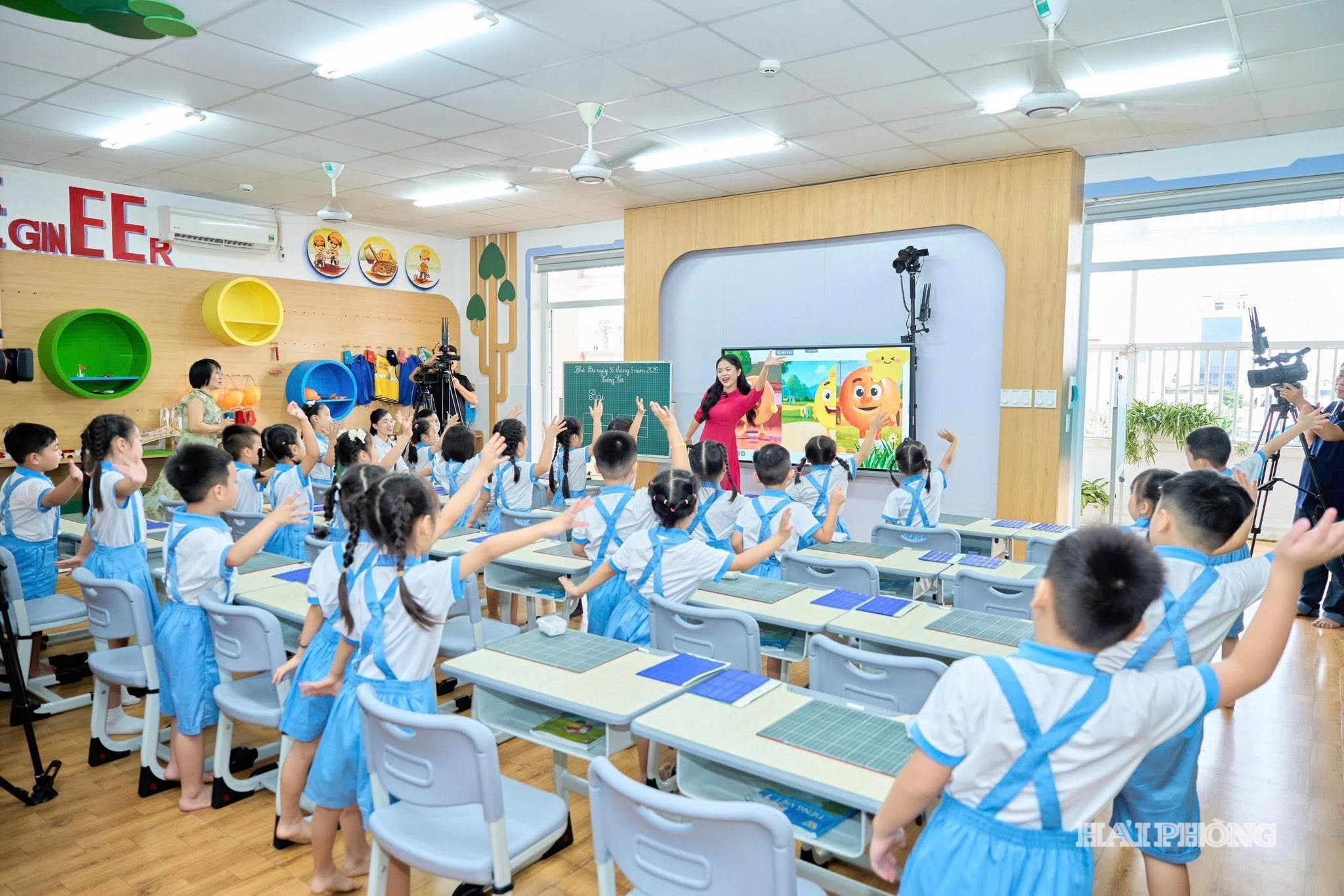
Meanwhile, Pham Thi Dien, Principal of Chu Van An Primary School, said that introducing English into schools, particularly at the primary level, does not necessarily have to begin with ambitious requirements. It can start with simple everyday expressions and greetings, along with selected words, concepts and activities incorporated into daily routines and teaching.
Making English a second language is a major policy of the education sector, in line with current global integration trends. Vu Tri Quang, Deputy Director of the Department of Education and Training, said that achieving this goal requires strong commitment and determination from schools, particularly their administrators, teachers and students. Each educational institution needs to proactively select approaches suited to its own conditions. Drawing on practical models, Hai Phong can continue to learn from, select, adapt and expand effective approaches, gradually bringing about substantive improvements in the teaching and use of English in schools.
BUI HANH