
Gửi bình luận
Alongside ensuring adequate supply, Hai Phong is focusing on improving the quality of social housing projects to meet workers' long-term housing needs.
Focusing on living spaces
For workers, an affordable apartment is the first condition for settling down. However, housing quality is also determined by factors closely tied to daily life, such as parking, green spaces, playgrounds, schools, community facilities and connectivity to workplaces. These requirements are increasingly being taken into account in the planning and design of social housing projects across the city.
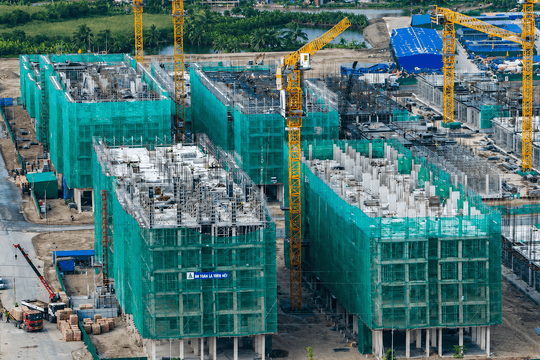
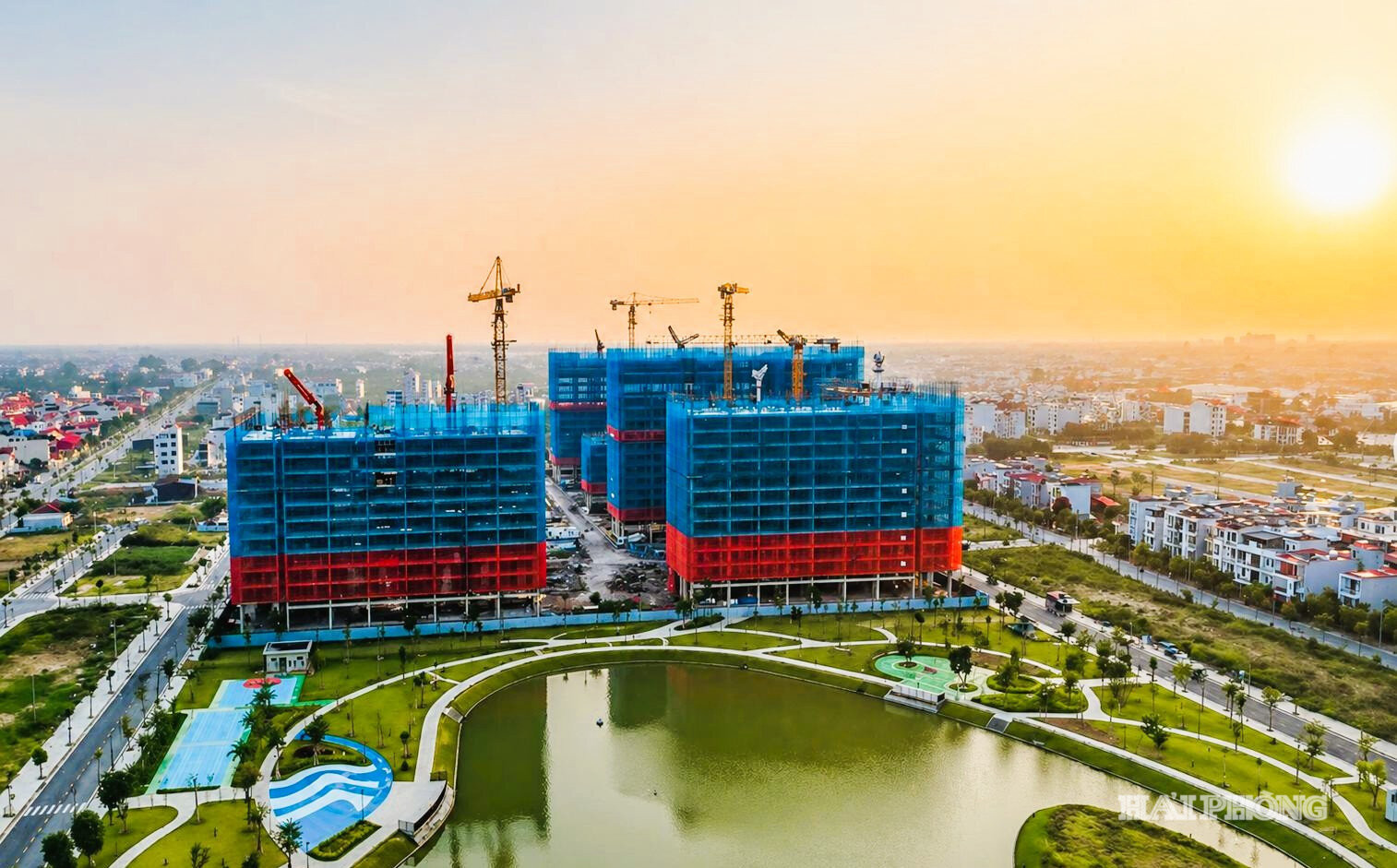
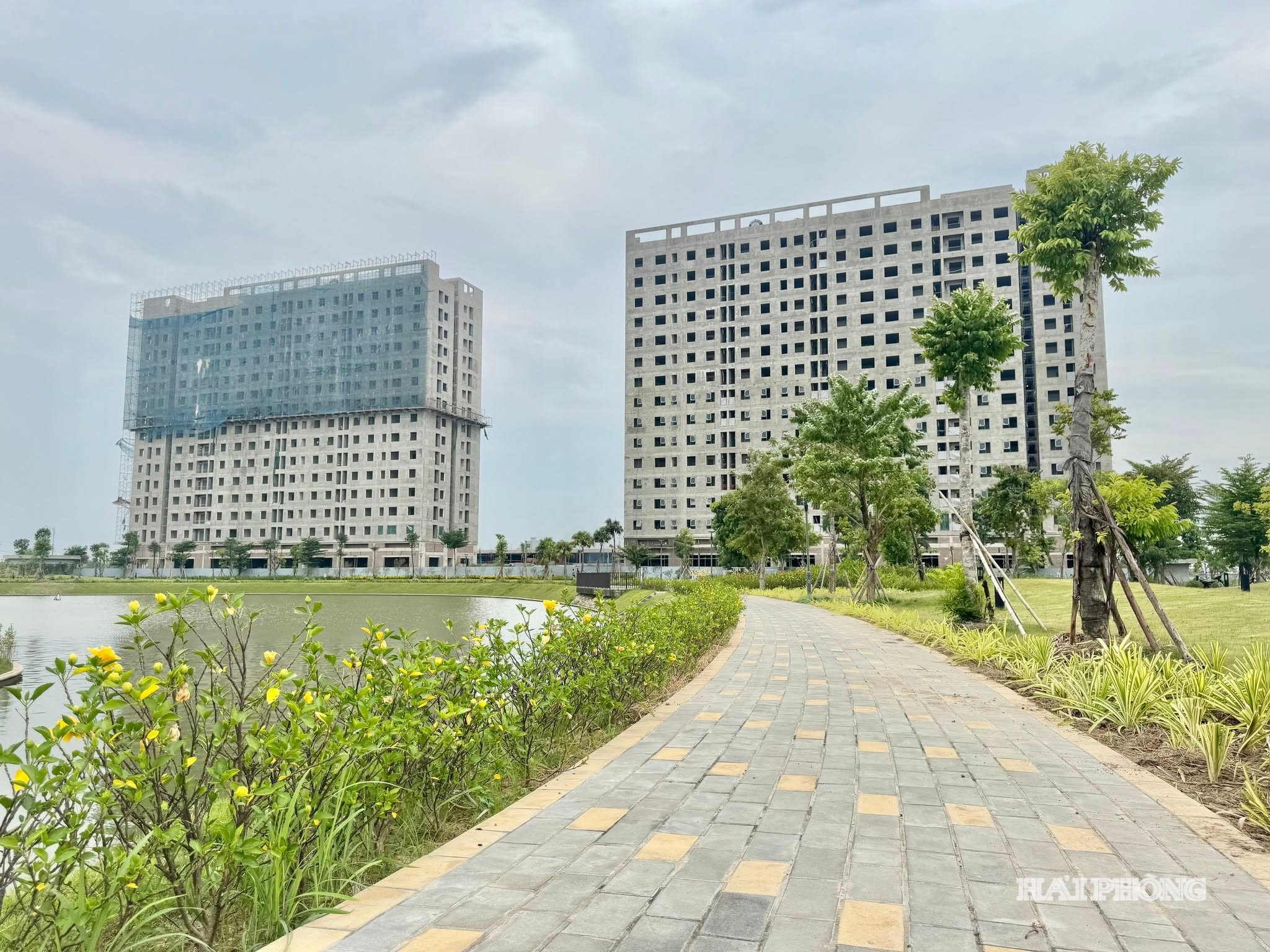
At Happy Home Trang Cat, social housing is part of an urban development featuring public spaces and facilities serving residents' daily needs. According to the developer, the entire area is planned with 59 outdoor amenities, including three parks, four large flower gardens, three schools and two office buildings. This layout provides additional spaces for recreation, exercise, walking and community activities. For worker families, having schools, services and public spaces within the same urban area also helps reduce travel time and costs.
Nguyen Van Huu, a resident of Hai An Ward who is eagerly awaiting the day he can move into a social housing apartment at Happy Home Trang Cat, said: “I used to think social housing was usually built in cramped locations, with limited space for shared facilities to keep costs down.
“But when I visited Happy Home Trang Cat, I found the grounds quite spacious, with many amenities. My wife and I discussed it and decided to buy a two-bedroom apartment. On days off, our family can go for walks or have a picnic around the lake. Our children also have a place to play right within the residential area. We never thought a social housing project could offer this.”
Integrated infrastructure and amenities
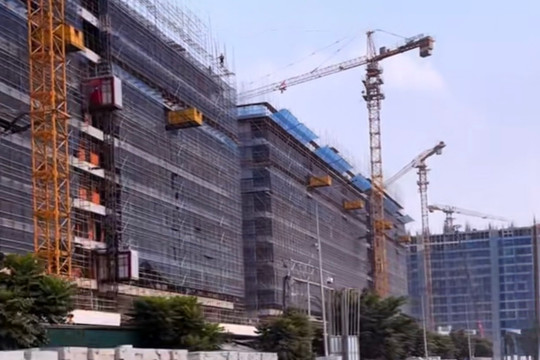
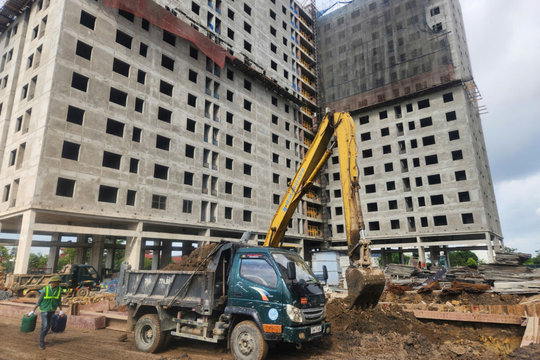
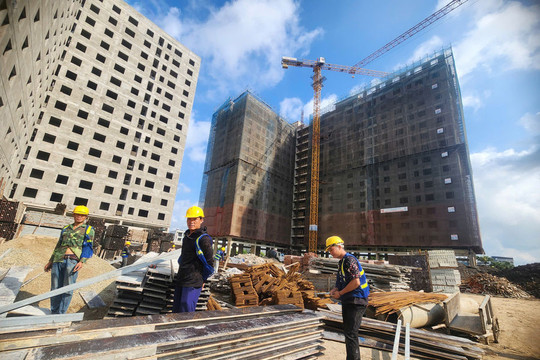
According to the Department of Construction, since 2021, the city has been implementing 29 social housing projects for workers and low-income people, with about 34,142 apartments. Across the city, 67 projects have been completed, are under construction or are slated for development, with a total of about 85,002 apartments, of which around 60,359 are expected to be completed during the 2021 – 2030 period.
The scale of social housing development is expanding rapidly. Along with ensuring adequate supply, the challenge is to develop projects that make efficient use of land, provide integrated infrastructure and create suitable living conditions for residents. When planning, adjusting plans and implementing projects, technical and social infrastructure and connectivity with surrounding areas are considered alongside the scale of the apartment development. This approach aims to prevent situations in which residential areas are developed without adequate public spaces, parking or facilities serving residents' daily needs.
One solution the city is studying is adjusting the spatial layout and building heights of some projects. Under Social Housing Development Plans for 2026 and the 2027 – 2030 period, the city plans to adjust building heights at eight projects to make more efficient use of land, increase apartment supply, and create better opportunities to allocate space for green areas, parking and facilities serving residents.
Nguyen Trung Dung, Deputy Head of the Real Estate Management and Market Division under the Department of Construction, said the city is developing social housing based on a “three-good” approach: good locations, good quality and affordable prices. According to Dung, social housing development should not focus solely on the number of completed apartments, but also take into account location, accessibility and building quality over the long term.
This approach is also consistent with the requirements of the city and the Prime Minister: buildings should be attractive and integrated, offer amenities, ensure adequate technical and social infrastructure, and provide connectivity.
For developers, the challenge is not simply to ensure the required number of apartments is completed on schedule, but also to consider location, scale, apartment mix and infrastructure from the outset. Increasing supply while improving quality of life will enable social housing to better meet the long-term housing needs of workers, laborers and low-income people.
HAI MINH