

Gửi bình luận
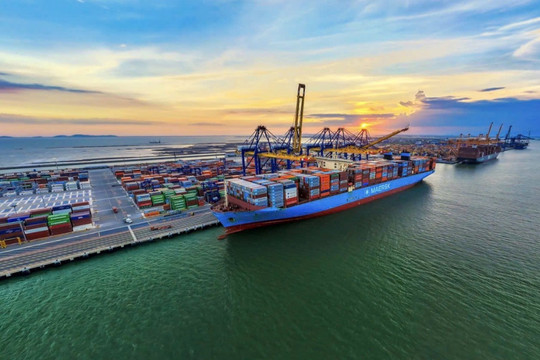
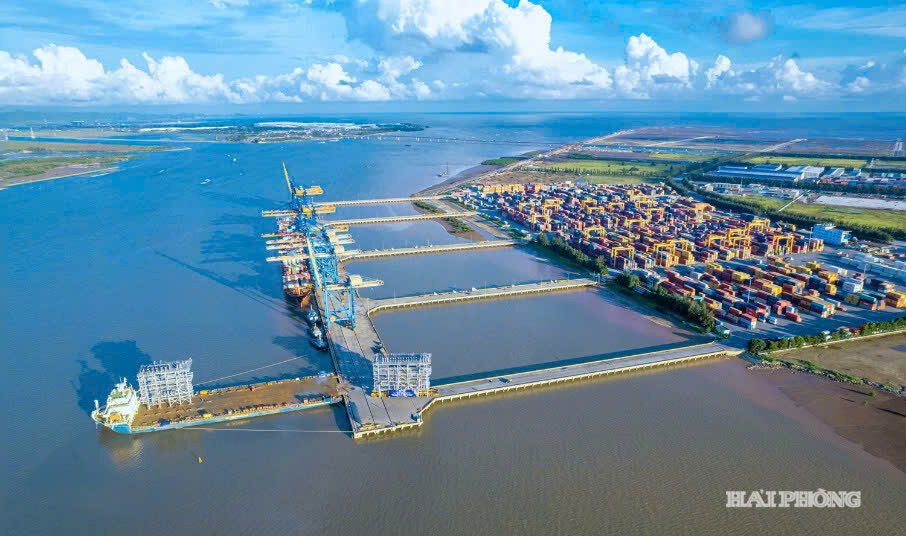
Green logistics infrastructure is opening up a path toward sustainable development for Hai Phong, spanning seaports, waterborne transport, warehouses and logistics centers.
“Green infrastructure” targeted
Amid deepening international economic integration, shifting the growth model toward a green economy and reducing greenhouse gas emissions have become urgent requirements for the global logistics industry.
Logistics infrastructure in Hai Phong is undergoing a strong shift toward a sustainable growth model. According to the city’s planning and development orientations, Hai Phong currently has more than 700 hectares of warehouse space, with logistics services maintaining an impressive average annual growth rate of 20 – 23%, contributing about 13 – 15% of the city’s GRDP.
Under the development orientation through 2030, the city’s land for trade, services and logistics will continue to expand to around 1,700 – 2,000 hectares. A key goal is to develop a modern international logistics center associated with the Dinh Vu-Cat Hai area, along with a system of regional and specialized logistics centers, effectively meeting the growing volume of goods passing through the city.
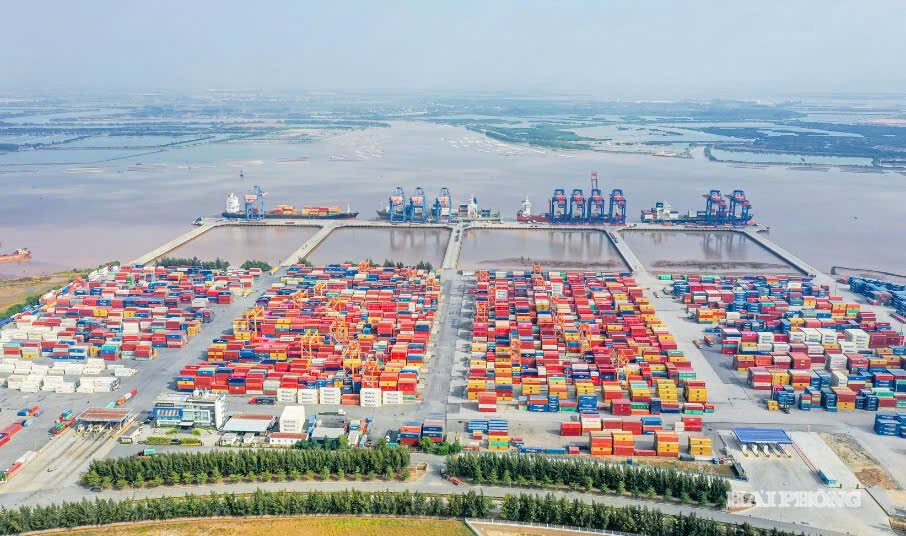
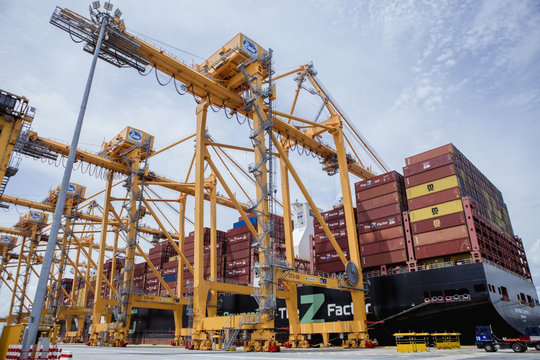
According to Nam Dinh Vu Port JSC, to successfully handle oversized and overweight cargo requiring stringent technical standards, with the heaviest package weighing up to 482 tons, the company has proactively invested in specialized berths with a load-bearing capacity of up to 8 tons/ m2, combined with a 25-m-wide approach bridge.
Proactively investing in and developing specialized technical infrastructure first ensures safety when cargo is lifted and lowered between shore and vessels, while also shortening storage time and reducing energy consumption by vehicles. Integrating modern cargo-handling methods at specialized berths also reduces the need for road transport, thereby helping cut carbon emissions across the supply chain for large-scale project cargo.
Potential of green inland waterway transport
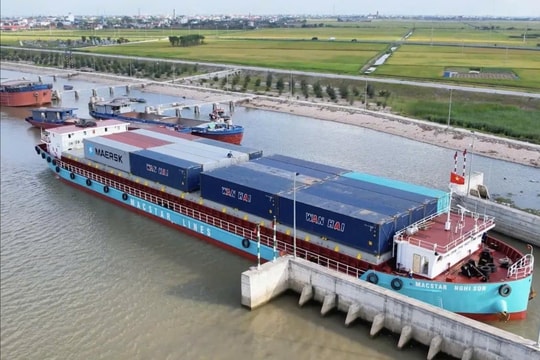
The inland waterway and coastal transport system is making an important contribution to Hai Phong’s strategy for developing “green infrastructure” for logistics. With its dense network of rivers directly connected to national maritime routes, the city is promoting a shift of part of its cargo flows from road to waterway transport. This solution helps ease pressure on road transport infrastructure while saving energy and reducing emissions from logistics operations.
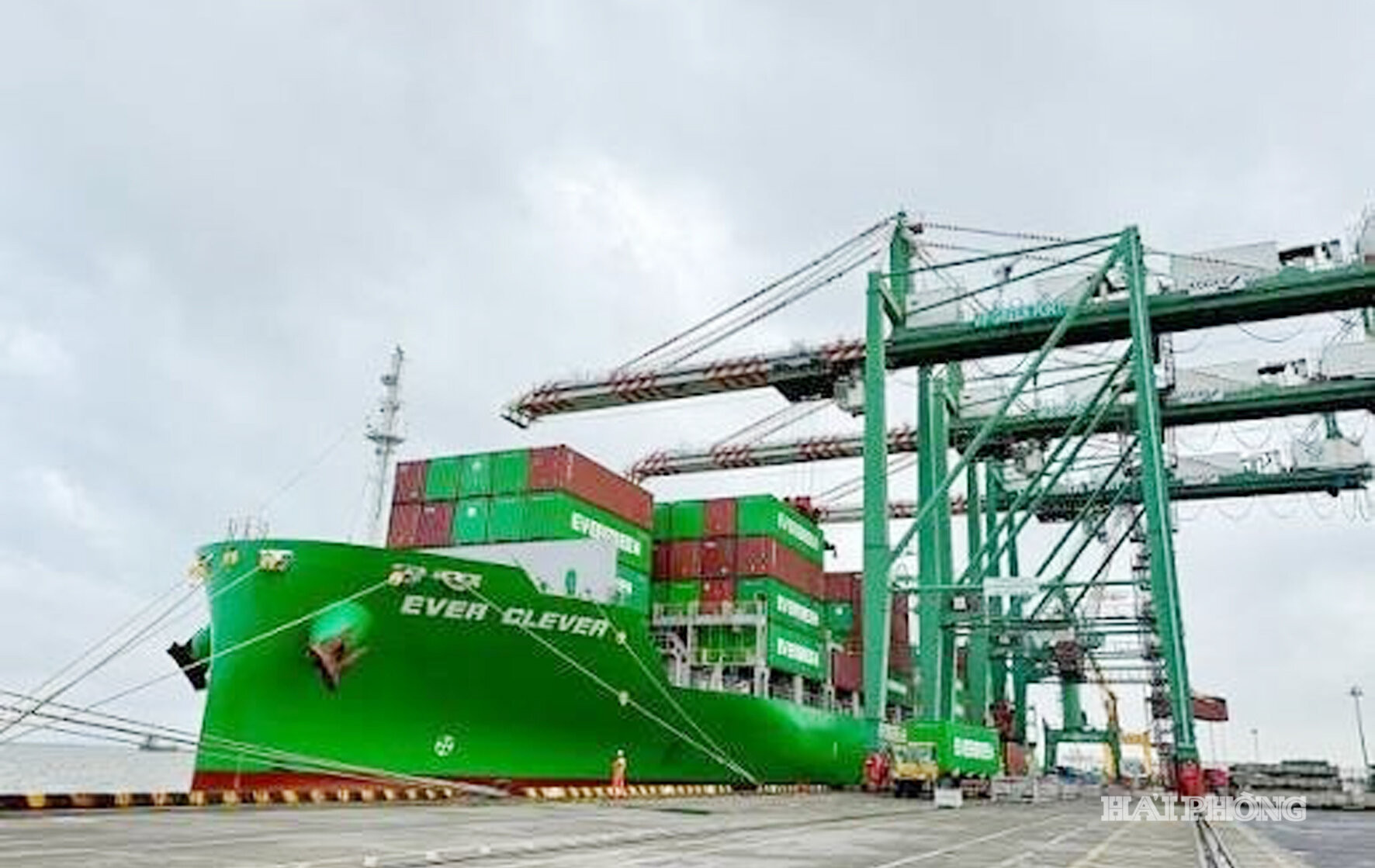
To move toward the Net Zero target under the Government’s commitment at COP26, transport businesses are working closely with universities and research institutions to test and build new types of coastal vessels powered entirely by electricity, with a carrying capacity of 550 – 600 TEUs, creating a potentially revolutionary step forward for environmentally friendly inland waterway logistics infrastructure.
To realize the vision of becoming a model green logistics hub in the region, Hai Phong’s key orientations and solutions for developing green logistics infrastructure in the coming period require coordinated implementation across multiple areas.
The city will continue accelerating investment in deep-water port berths at Lach Huyen and upgrading the channel system, while closely integrating the seaport system with logistics centers, eco-industrial parks and inland waterway transport infrastructure.
Relevant agencies need to encourage enterprises to invest in vehicles and cargo-handling equipment powered by electricity and clean energy, while actively supporting pilot projects for electric coastal container vessels to achieve deep reductions in greenhouse gas emissions.
Preferential policies on credit, taxation and administrative procedures should be developed to create incentives for mobilizing social resources to invest in smart warehousing infrastructure and logistics centers meeting green standards. This will gradually enhance the international competitiveness of Hai Phong’s goods supply chains.
THU HANG