


Gửi bình luận
The Pearl service has added a direct shipping connection between Hai Phong and the US West Coast, creating opportunities to attract cargo and promote the city’s logistics sector.
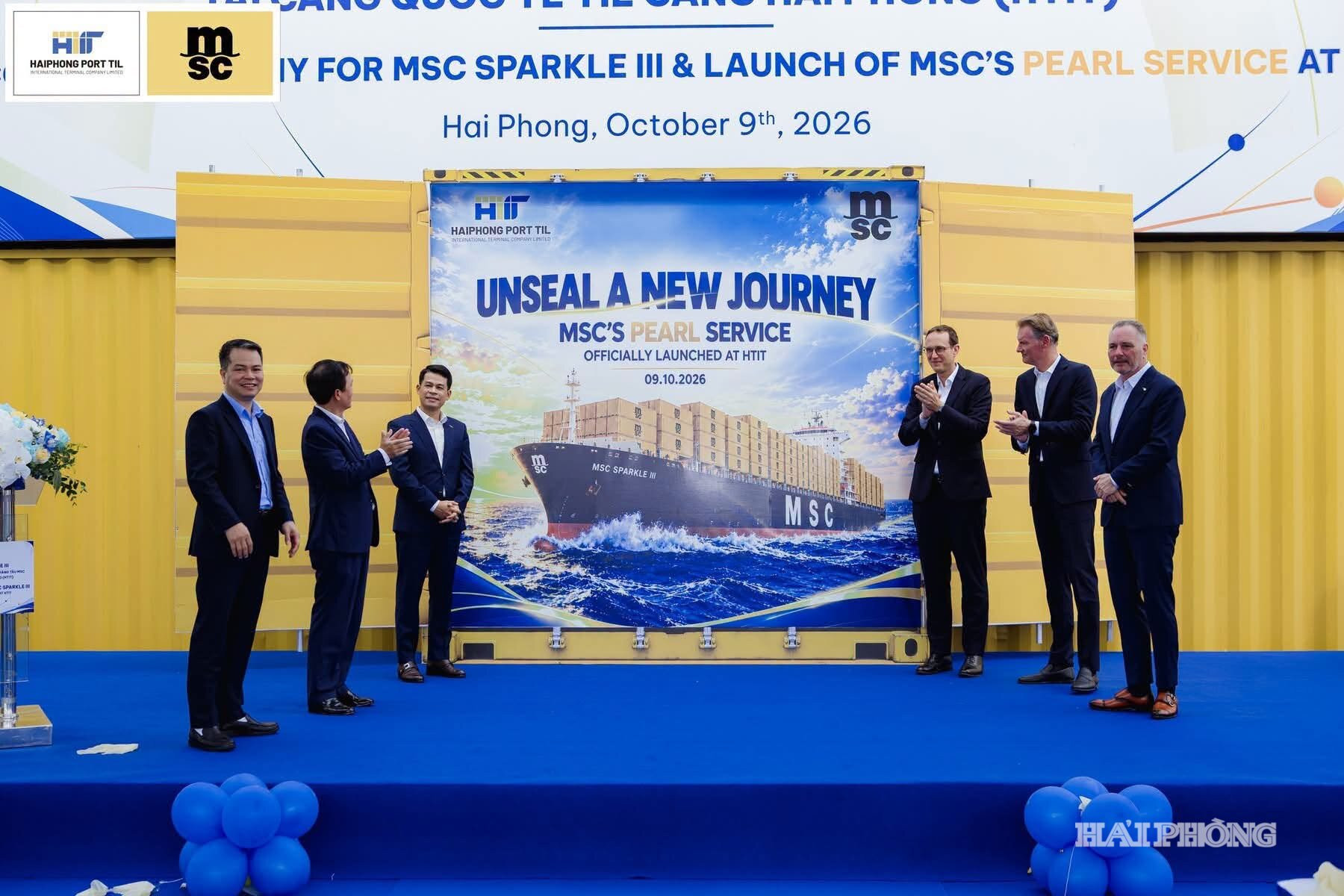
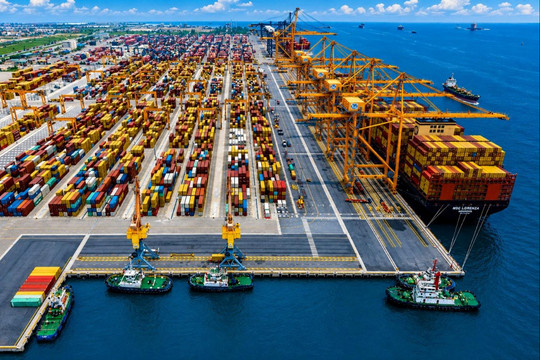
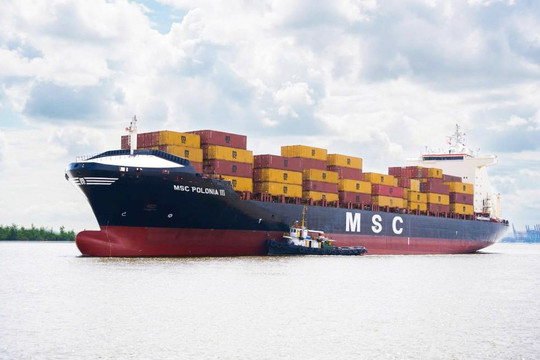
The MSC SPARKLE III arrived at Hai Phong Port TIL International Terminal (HTIT) on October 9, marking the launch of the Pearl shipping service operated by MSC. With a route connecting Hai Phong, Shanghai, Ningbo, Busan, Long Beach and Oakland, the service adds a maritime link between northern Vietnam and two major ports on the US West Coast. Its expected transport volume is approximately 6,000 TEUs per week.
The event is noteworthy because a seaport needs not only good infrastructure but also the ability to attract shipping lines, establish stable services and connect with major markets. The new service demonstrates the appeal of Lach Huyen deep-water port within the international container shipping network.
For businesses, an additional shipping service means another transport option, greater flexibility in delivery planning and more opportunities to choose suitable services. This creates an opportunity for the city to capitalize on its seaport advantages, attract cargo and expand related services. However, this opportunity will only be meaningful if it delivers tangible economic benefits rather than simply bringing more large vessels into ports.
In international shipping, convenient routes help businesses manage delivery schedules more effectively. However, if cargo takes too long to travel from factories to ports, transport modes are poorly connected, or cargo handling procedures remain cumbersome, the benefits of a new shipping service will be limited. Logistics costs include not only ocean freight but also warehousing, port storage, transportation and administrative procedures.
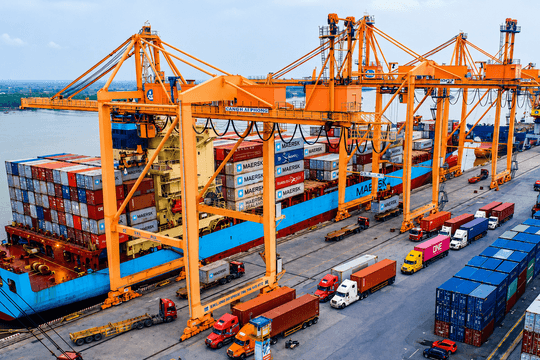
This is a challenge Hai Phong needs to address as it develops its seaport sector. Cargo passing through ports primarily serves manufacturing and import-export activities in northern Vietnam. Therefore, port capacity needs to be linked with industrial parks, manufacturing centers and distribution networks. Roads, railways, inland waterways and warehousing systems need to be connected efficiently to reduce waiting time and intermediate costs.
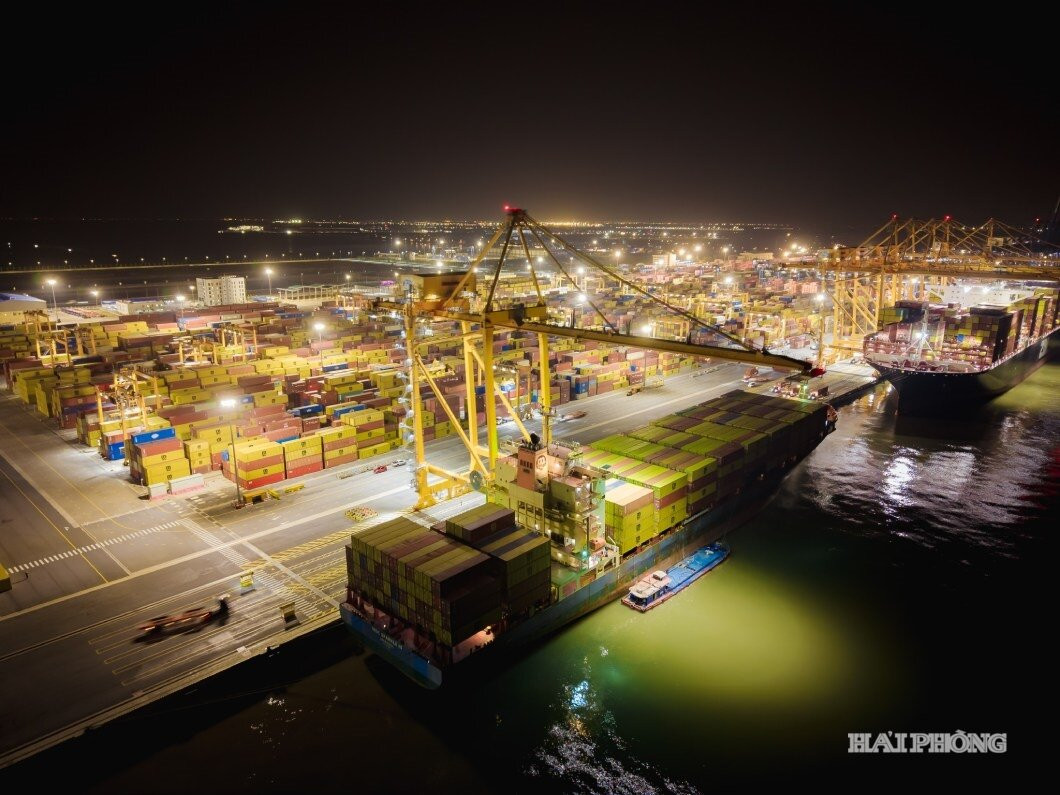
Alongside infrastructure investment, administrative reform and digital transformation need to deliver tangible results, such as simplifying cargo handling procedures, making cargo information more transparent and shortening processing time. When operations run smoothly, seaports can maximize their capacity and become more attractive to shipping lines.
Hai Phong also needs to increase the added value generated by logistics activities rather than focusing solely on cargo handling and transportation. Developing international freight forwarding, warehousing, distribution, supply chain management and technology applications in port operations will create more jobs, expand business opportunities and increase contributions to the city’s economy.
Attracting major shipping lines must go hand in hand with developing domestic service providers. As Hai Phong businesses participate more deeply in supply chains, the benefits of cargo moving through the ports can spread more widely instead of being concentrated mainly in terminal operations.
The Pearl service is a positive sign, but it is not the ultimate goal. In competition among seaports, shipping lines and cargo owners have many options. To maintain cargo flows, Hai Phong needs to demonstrate its advantages through service quality, reasonable costs and effective connectivity.
Adding a shipping service creates new opportunities. Making effective use of those opportunities and generating greater economic value will be the true measure of Hai Phong’s seaport competitiveness.
HAI MINH