.jpg "Facilitating foreign capital flows to support business growth")
.jpg "Ensuring land handover progress for new urban area projects in Hai Phong")
.jpg "Hai Phong export turnover hits growth target")

Gửi bình luận
Developing inland-waterway logistics in the southern coastal economic zone is a key strategy for Hai Phong to optimize supply chains, attract high-quality investment and pursue sustainable development.
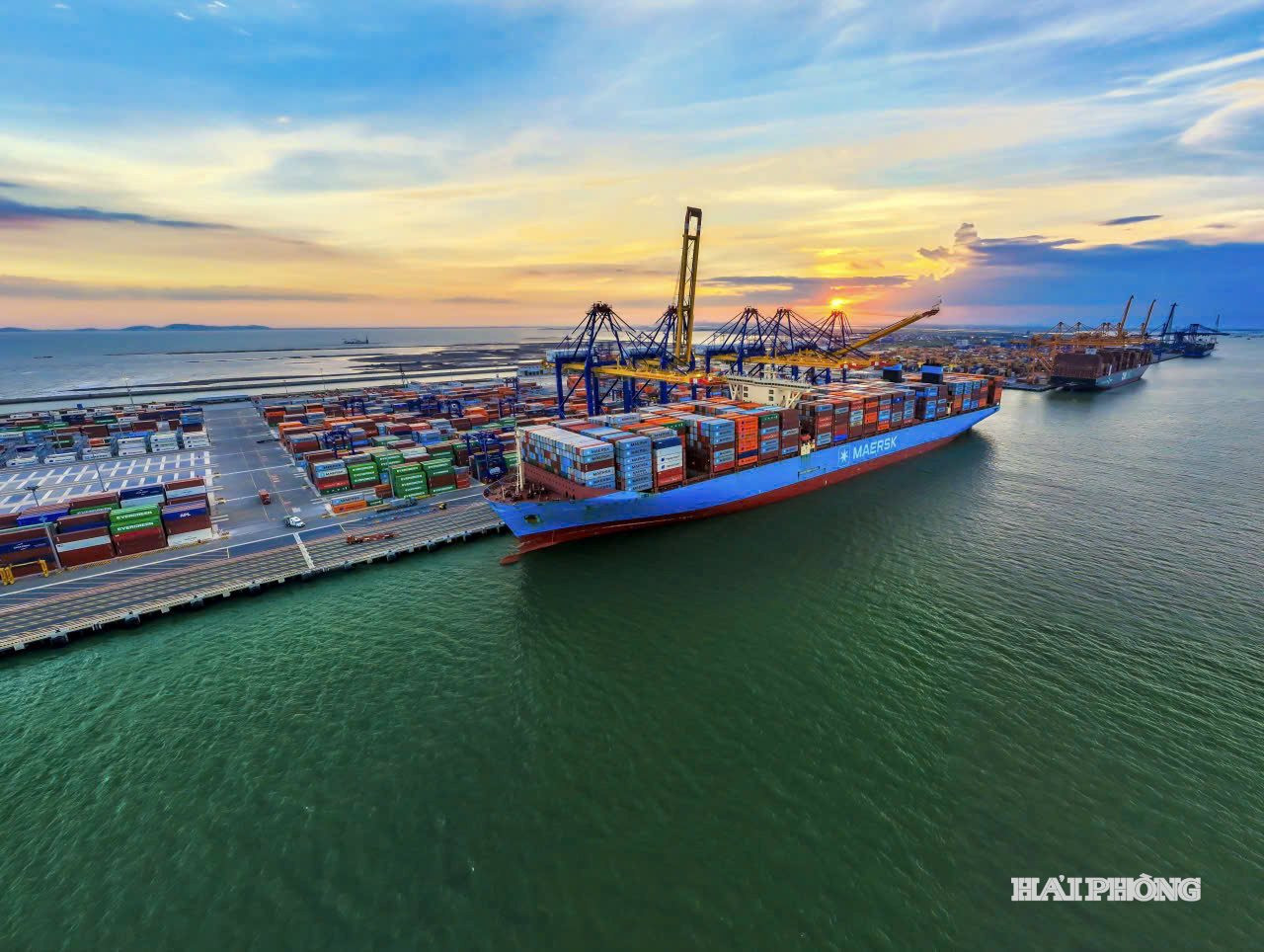
Hai Phong possesses all five strategic transport modes: road, rail, air, sea and inland waterway, a geographic asset and foundational infrastructure for restructuring its development space.
A strategic link in the coastal belt
After 16 years of development, the Dinh Vu - Cat Hai economic zone has made a major contribution to the city’s industrialization and modernization. However, with an occupancy rate nearing 80%, space for large-scale, high-tech projects is shrinking. While the city’s west, north and east have developed robust industrial ecosystems, the southern area, including Tien Lang, Vinh Bao, An Lao, Kien Thuy districts and the former Do Son urban district, remains under‑served in infrastructure.
The Hai Phong Economic Zone Authority says building a southern coastal economic zone is urgent to compete for incoming investment from major domestic and foreign firms, especially in chips, semiconductors and electronics. The project would also strengthen regional linkages and make fuller use of improving transport infrastructure.
According to the proposal, the new zone will be a generation‑3.0 ecological economic zone built on three pillars: modern industry, smart urban development and gateway seaports. Its highlights include connections to the coastal expressway, the Van Uc river system, Nam Do Son port and Tien Lang airport, creating momentum for the Red River Delta and nationwide spillover effects. Within this strategy, inland‑waterway logistics is seen as a core element for raising competitiveness.
By leveraging the dense river network, inland-waterway transport can ease pressure on road traffic, cut operating costs significantly and reduce carbon emissions in line with ‘green logistics’ trends. This approach fosters regional links, connects industrial parks with deep‑water ports and, combined with coordinated port infrastructure investment and digitalization, can be an important lever to strengthen Hai Phong’s logistics position in the region.
Turning advantages into FDI competitiveness
Analysis by the Hai Phong Logistics Association highlights clear efficiency gaps between transport modes. On the Hai Phong - Ninh Binh route, water transport saves about 22% of operating costs and reduces greenhouse-gas emissions to one‑third of road transport.
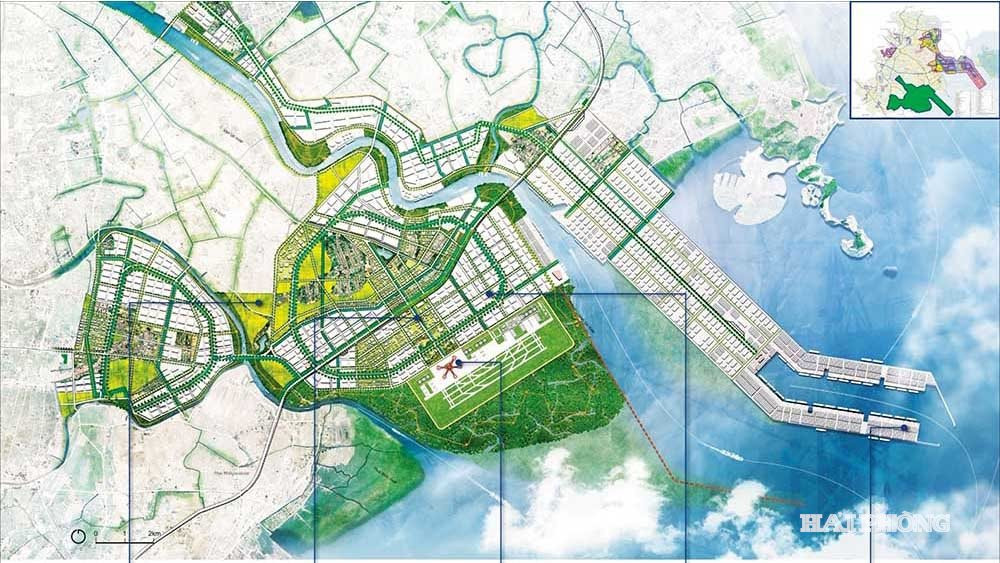
In April 2026 the Hai Phong People’s Committee approved investment in a “next-generation logistics complex” in Kien Hai commune, within the southern coastal economic zone. With total investment of over VND 1,800 billion on more than 53 hectares, the project aims to become a full‑service logistics hub linking seaports, airports and inland-waterway ports, delivering a significant boost to regional logistics infrastructure.
The southern coastal economic zone occupies a strategic position within the Red River Delta and sits on three major economic corridors. It will function as a linkage hub for economic zones in Quang Ninh, Thai Binh and Nam Dinh to form a planned coastal economic belt. The area connects directly to major national and regional economic centers and to southern China, supported by an integrated transport network from the coastal road and the Ninh Binh - Hai Phong expressway to the national railway, Nam Do Son port and Tien Lang international airport.
When a green logistics ecosystem operates in a coordinated way, Hai Phong can consolidate its role as an economic locomotive, generate strong spillovers across the northern key economic region and make a substantial contribution to the country’s industrialization and modernization in the new development phase.
Hai Phong News