


Gửi bình luận
Hai Phong needs to prepare its workforce early to capitalize on high-tech investment. Aligning training with investment attraction orientations will help the city strengthen its capacity to adopt new technologies and create new drivers of growth.
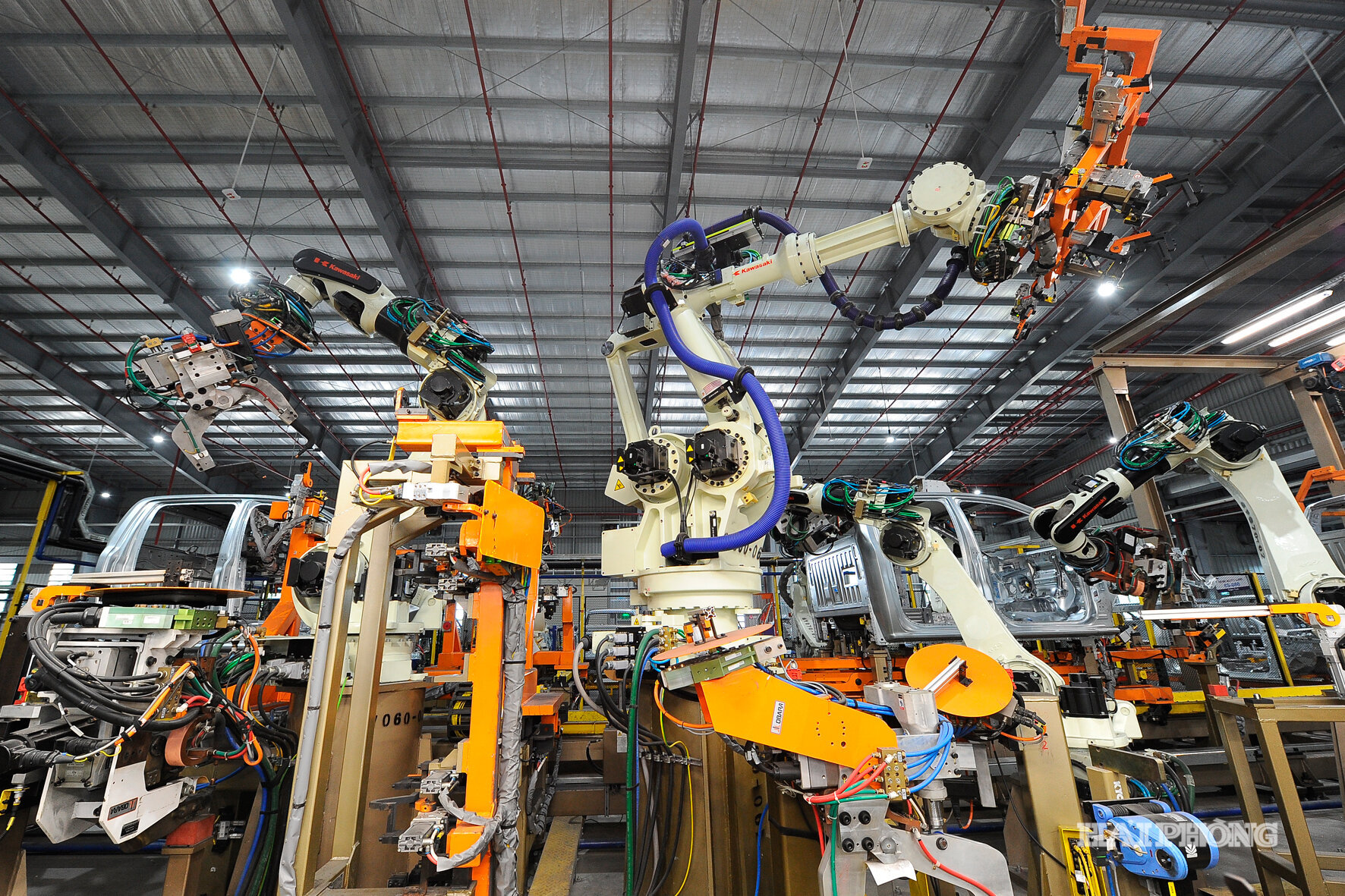
Anticipating demands of new investment flows
According to the Ministry of Finance, Vietnam is focusing on improving the quality of foreign direct investment (FDI), targeting high-tech projects with high added value and strong potential for technology spillovers. A skilled workforce is essential to attracting and effectively implementing these projects.
This trend is becoming increasingly evident in Hai Phong. LG Innotek’s semiconductor packaging substrate manufacturing project at Nam Dinh Vu Industrial Park (Zone 2), with an investment of approximately USD1 billion, opens up new opportunities to participate in the semiconductor value chain.
Rorze Robotech Co., Ltd., a Japanese company located in Japan-Hai Phong Industrial Park, specializes in manufacturing robots, motor control equipment and products used in semiconductor manufacturing. The company also plans to expand its investment in the city.
Workforce preparation must therefore go beyond immediate recruitment needs. Building on its strengths in electronics, mechanical engineering and supporting industries, Hai Phong needs to develop a workforce for projects in semiconductors, precision equipment and automation.
At the same time, the city should assess investment prospects in artificial intelligence, data centers and new materials to identify appropriate training priorities. A skilled workforce with specialized expertise will give the city an advantage in attracting high-tech projects.
In addition to engineers and research and design specialists, factories also need technicians, equipment operators, maintenance workers and quality control personnel. Each job category requires specific training programs, durations and practical training conditions. Workers also need further training to adapt as technologies evolve.
Linking training to strengthen industrial capacity
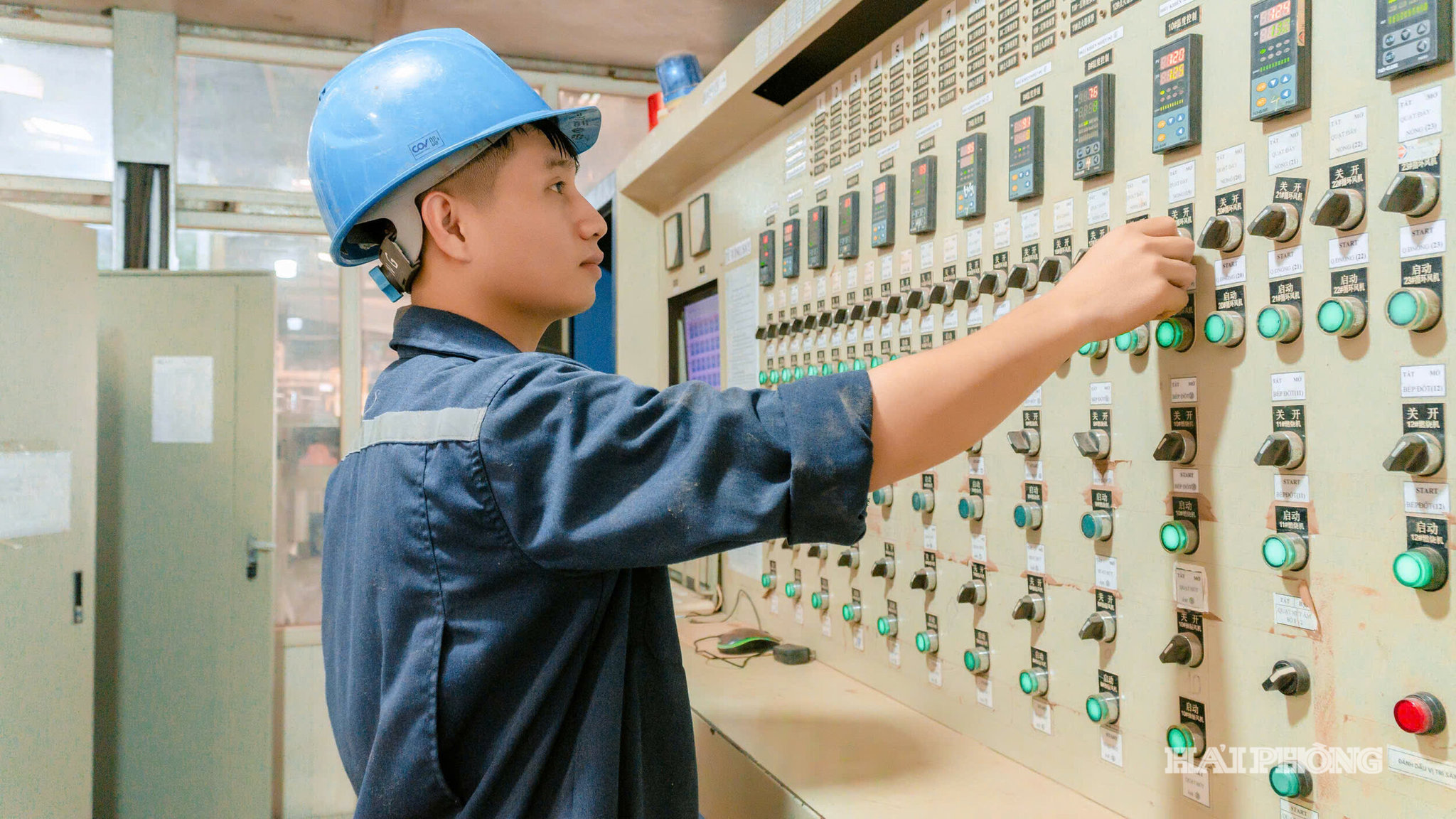
Hai Phong has eight universities, 22 colleges and 11 intermediate-level vocational schools. However, a report presented at a September 2026 meeting between the City People's Committee and the education sector highlighted imbalances in vocational enrollment and disparities in the capacity to provide high-tech vocational training. Commissioning arrangements for training, research and technology transfer also fell short of the city's potential.
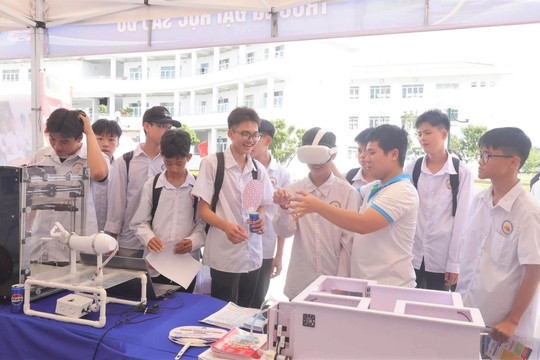
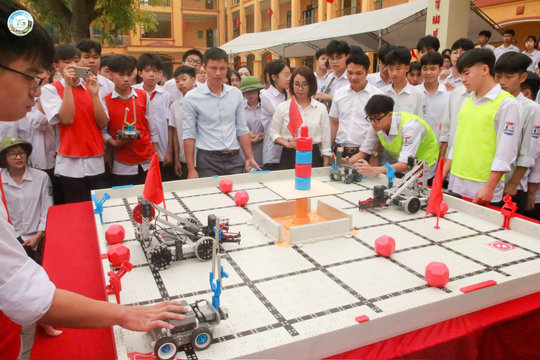
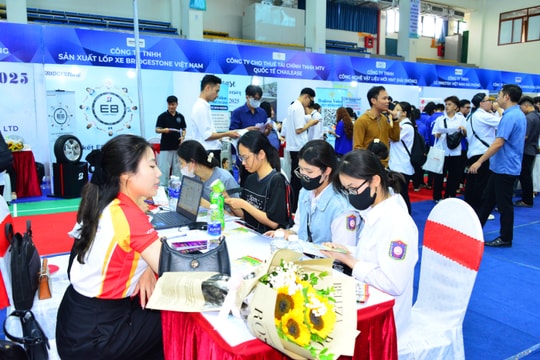
Addressing these shortcomings requires investment in training institutions to go hand in hand with new approaches to cooperation with businesses. Recruitment needs must be translated into specific requirements for workforce numbers, qualifications, skills and timelines so that schools can develop appropriate training plans. The parties need to agree on curricula, practical training conditions, funding and responsibilities for assessing learning outcomes. This will enable schools to prepare instructors and equipment, while encouraging businesses to participate in long-term training.
In addition, workplace training allows learners to gain hands-on experience with equipment and processes that schools may find difficult to fully provide. The Hai Phong education sector's 2026-2027 academic year plan calls for expanding school-business training partnerships, increasing practical training at businesses, arranging industry placements for teachers and engaging engineers in teaching.
At a business meeting on October 13, Secretary of the City Party Committee Le Ngoc Chau called on agencies, units and local authorities to serve as bridges between domestic and FDI enterprises, including in the development of a highly skilled workforce. Linking training with production cooperation and technology transfer will help workers improve their skills while enabling Hai Phong businesses to participate more effectively in supply chains.
HA KIEN