
Gửi bình luận
During the 2025–2035 period, Hai Phong aims for logistics service growth of 12–15% per year.
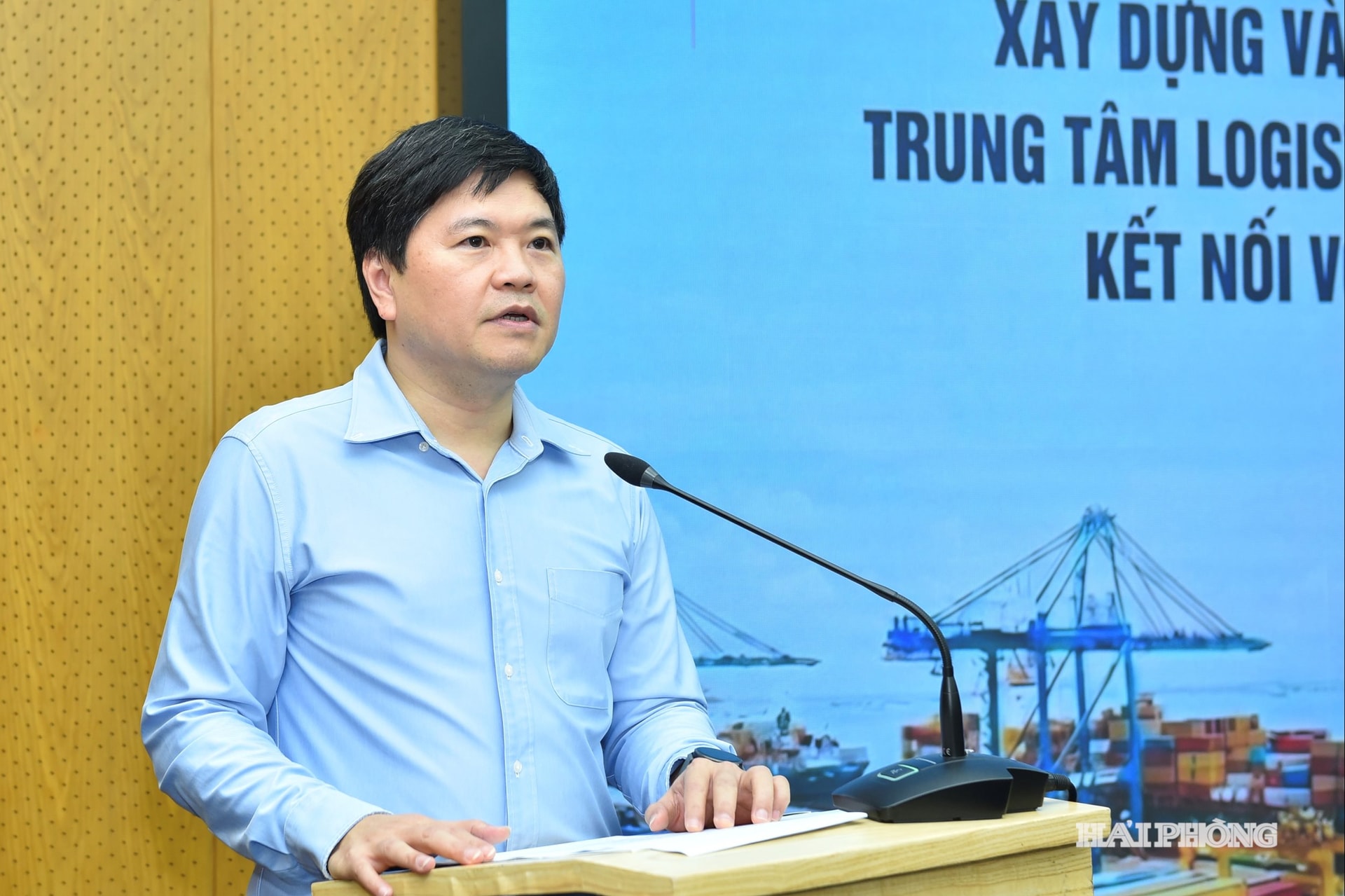
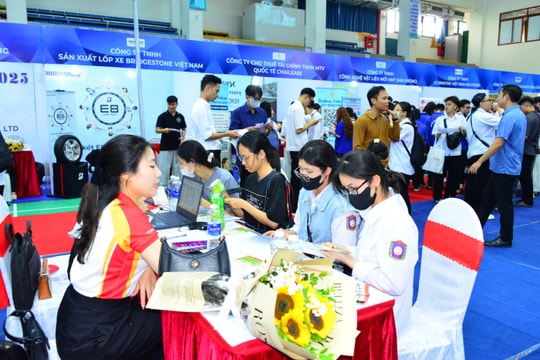
On the afternoon of April 22, the Department of Industry and Trade, in coordination with the Institute for Policy and Strategy Studies (under the Central Policy and Strategy Commission), organized a workshop on building and developing Hai Phong into a modern international logistics hub, associated with an international seaport and connected to key economic corridors and belts.
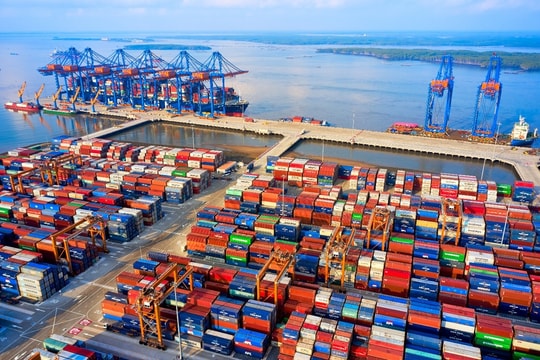
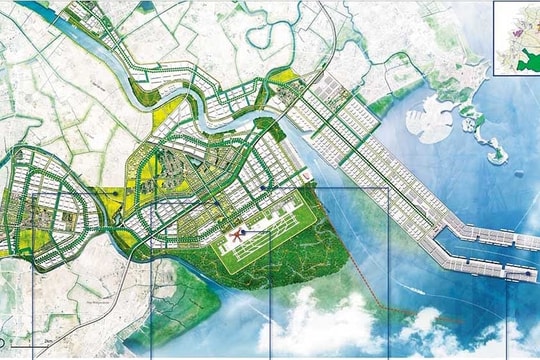
Speaking at the event, Mr. Hoang Minh Cuong, Vice Chairman of the Hai Phong People’s Committee, emphasized that the Resolution of the City Party Congress for the 2025–2030 term affirms the orientation of developing Hai Phong into a leading marine economic center and logistics service hub of the country. The strategic breakthrough lies in synchronized investment in seaport, industrial, transport, and logistics infrastructure, along with strengthening regional linkages and international connectivity.
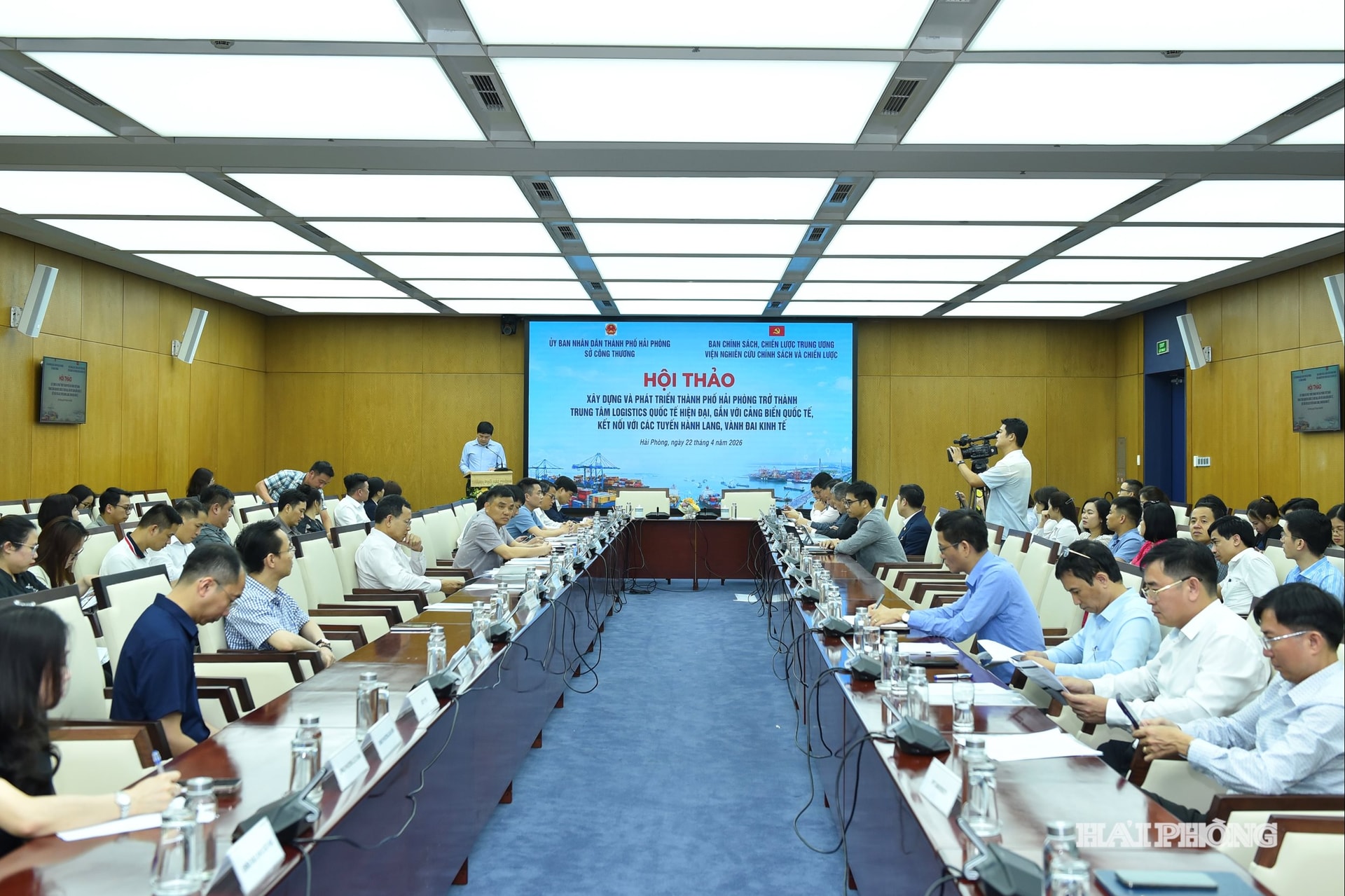
Vice Chairman of the City People’s Committee Hoang Minh Cuong expressed his expectation that, through the workshop, participants would focus on clearly identifying the mindset and orientation for developing the city into a modern international logistics hub associated with its seaport, ensuring focused and effective development while strengthening linkages with localities and industrial centers along economic corridors and belts.
He also called for proposals on breakthrough institutional mechanisms to realize these development orientations, as well as research and recommendations to competent authorities for amendments to Resolution No. 226/2025.
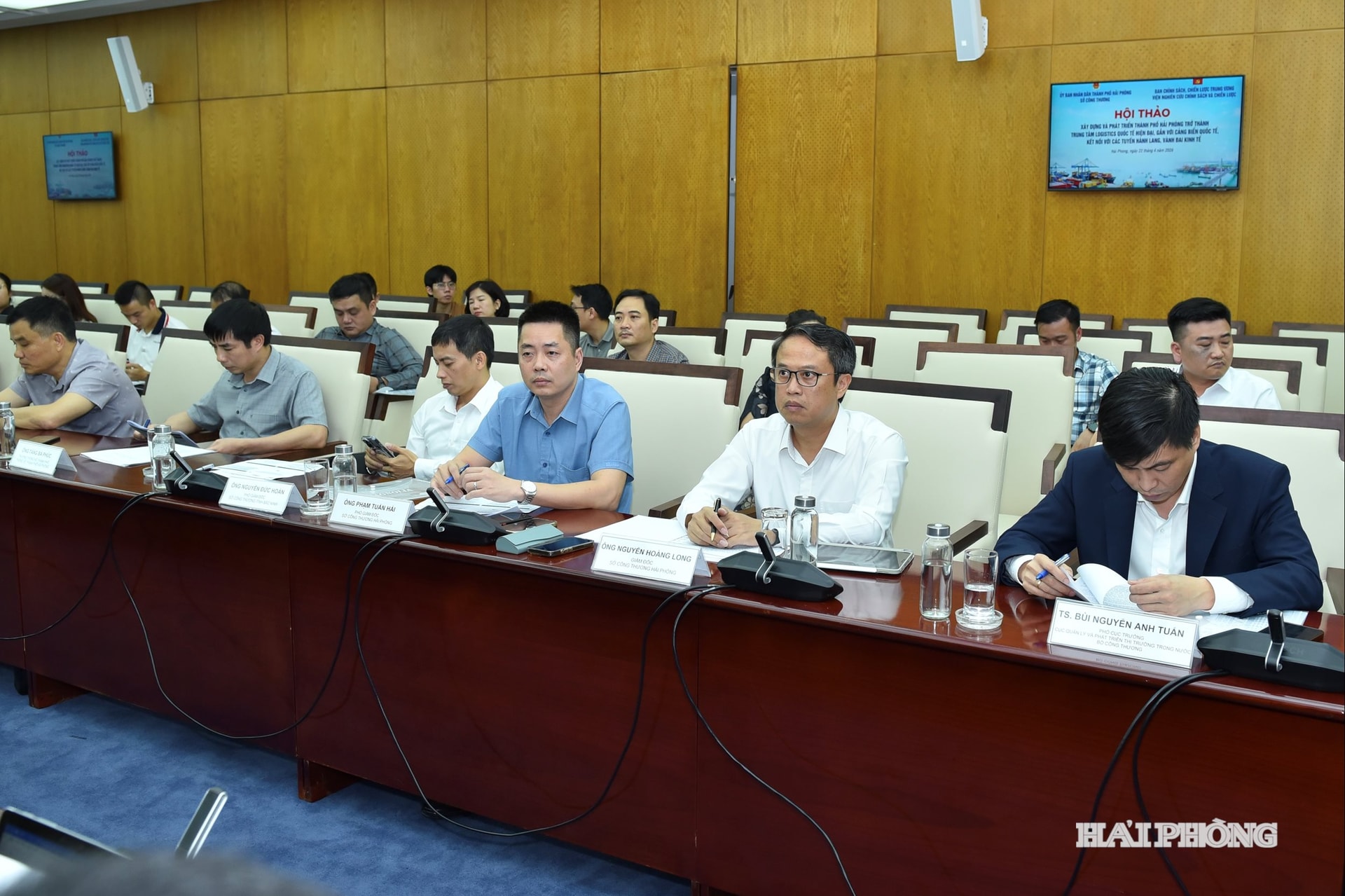
Opinions at the workshop provided valuable insights, helping the city focus on specific mechanisms and policies to create strong momentum for supporting business development. In particular, logistics enterprises are expected to play a central role in the development of a modern international logistics hub associated with an international seaport in the coming period. Discussions also addressed directions for attracting major shipping lines and connecting with leading corporations to drive value chains and develop an industrial–logistics ecosystem in the locality.
At the workshop, delegates focused on analyzing and assessing the conditions and role of Hai Phong in becoming an international logistics hub; proposing solutions, policy mechanisms, and implementation approaches to build and develop the city into a modern international logistics service center linked to its seaport and connected with economic corridors and belts; addressing human resource development; and drawing lessons from international experiences in developing port-based logistics hubs.
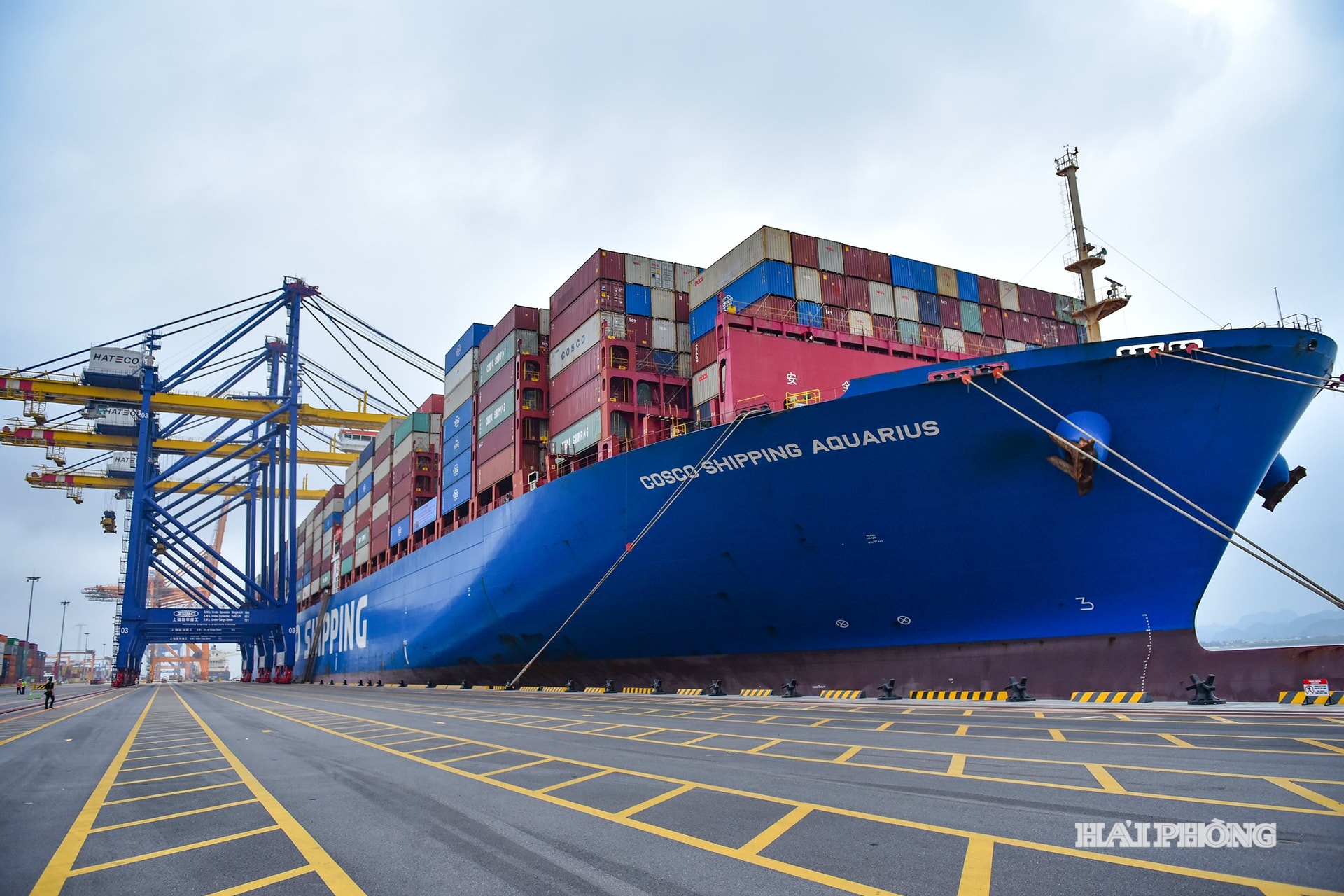
According to the project titled “Building and developing Hai Phong into a modern, key, and competitive international logistics hub to serve the country’s industrialization and modernization; ensuring effective linkage with international seaports, attracting major shipping lines, increasing direct container routes to Europe and the Americas; achieving synchronized, modern, and multimodal connectivity with domestic and international economic corridors and belts; becoming a model of green ports, smart ports, and effective international cooperation in Vietnam,” during the 2025–2035 period, the share of logistics services in the city’s GRDP is targeted to reach 10–13%, with an average annual growth rate of 12–15%.
Cargo throughput at Hai Phong’s seaports is expected to grow by at least 12% annually throughout the period. The city aims to pilot at least one green logistics–green port–green warehouse model; develop 1–2 logistics centers meeting international standards; ensure that at least 80% of logistics enterprises adopt digital transformation solutions; have at least 70% of equipment at logistics centers meet energy-saving standards or use electricity/clean energy; and ensure that at least 70% of the logistics workforce is professionally trained.
Looking toward 2050, Hai Phong aims to become a modern international logistics hub with leading competitiveness in Southeast Asia and globally, effectively connected to both domestic and international economic corridors and belts.
Pham Cuong - Trung Kien