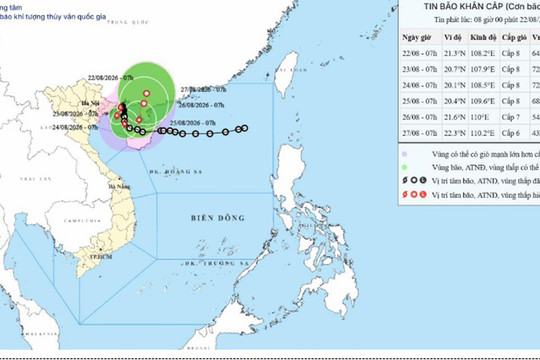
-d4cc34da43ab4e489883c6ce899fae63.jpg "Hai Phong chairman orders response to heavy rain and landslide risks")

Gửi bình luận
Drainage and irrigation units in Hai Phong have simultaneously taken flood prevention measures as the city is forecast to receive 100 – 250 mm of rainfall, with some areas exceeding 300 mm, from now through August 24.
.png)
Lowering water levels and preparing pumping stations
By the afternoon of August 22, Hai Phong Drainage One Member Co., Ltd. Had completed most of its preparations for Narra, the 4th storm to hit Vietnam this year. Water levels in canals and retention lakes were proactively lowered to increase storage capacity before heavy rainfall.
Pumping stations were inspected and tested to ensure readiness to operate during heavy rain combined with high tides. The company’s subsidiaries simultaneously cleared discharge outlets, removed debris from manholes and catch basins, and prepared auxiliary sluice gates and sandbags at tidal flood control culverts.
At vulnerable locations, particularly canals and lakes without safety railings, the company installed warning ropes and barriers and assigned workers to alert residents in order to ensure the safety of both people and vehicles.
The company is currently managing and operating drainage and wastewater treatment systems across 13 wards and 15 communes in eastern Hai Phong. The network includes more than 70 hectares of retention lakes, over 250 km of drainage canals, more than 1,000 km of underground sewers, 24 tidal flood control culverts, 35 pumping stations, more than 47,000 drainage manholes, and 165 flap valves at discharge outlets.
Of the 35 pumping stations, nine are for stormwater and 26 are for wastewater. In addition to the fixed stations, the company has prepared mobile pumps with capacities ranging from 200 to 1,000 m3/ h, along with cranes, vacuum suction trucks, and sewer cleaning vehicles to respond to emergencies.
Proactive drainage across six irrigation systems
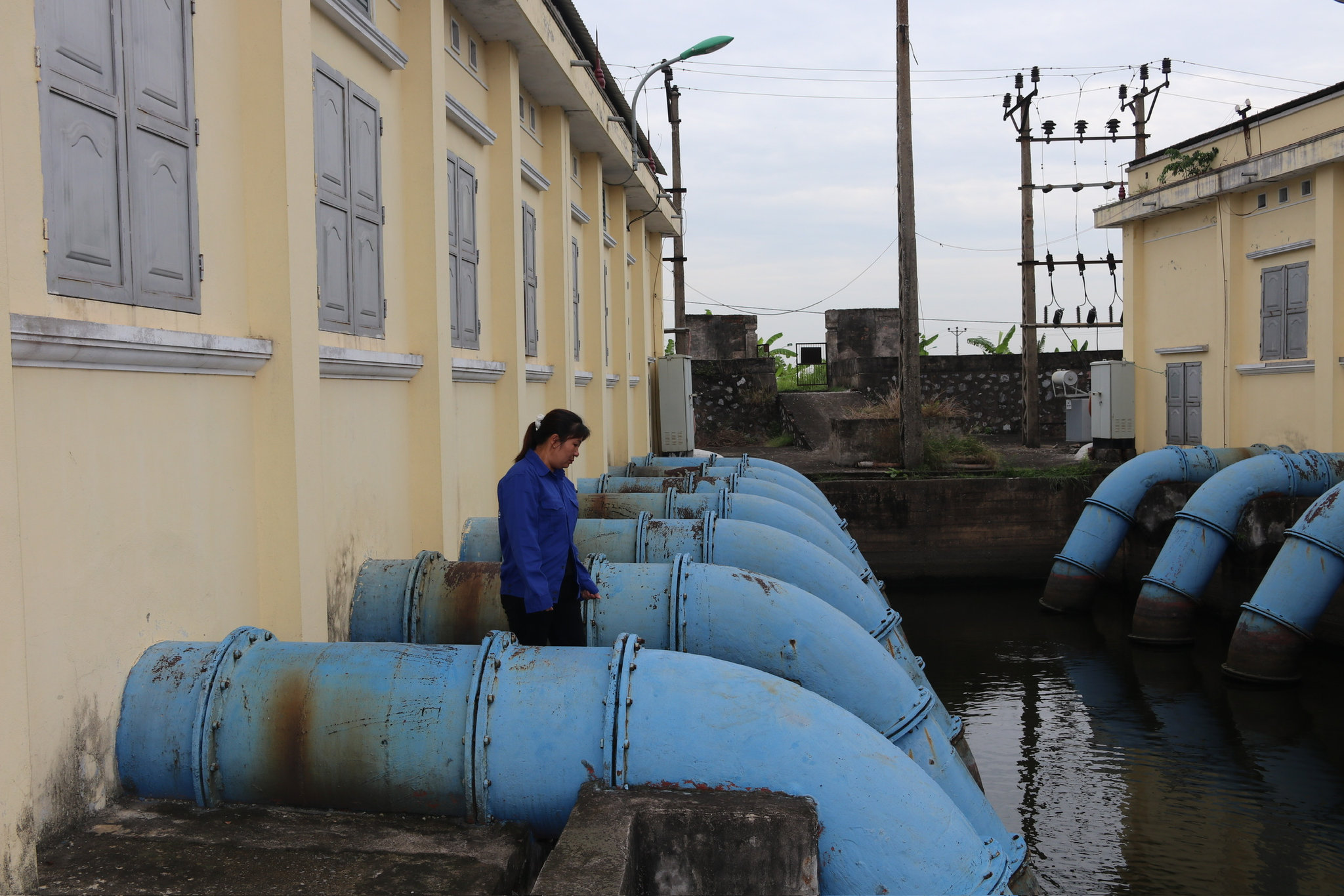
Alongside urban areas, flood drainage measures have also been urgently implemented in agricultural production zones and suburban residential areas.
Since August 19, irrigation management companies have proactively operated dike culverts and drainage pumping stations, taking advantage of low tides to discharge water from irrigation systems into rivers.
Across six irrigation systems of An Hai, Thuy Nguyen, Hai Duong, Da Do, Tien Lang, and Vinh Bao, dike culverts have been operating continuously. By the morning of August 22, water levels in the main canal network had been substantially lowered, creating additional capacity for incoming rainfall.
In western Hai Phong, several drainage pumping stations in Chi Linh, Nam Sach, Cam Giang, Ninh Giang, and Kim Thanh began operating on the morning of August 22. Reservoirs including Phuc Loi, Suoi Giang, and Ben Tam have also opened their spillways to reduce water levels, helping protect nearly 50,000 hectares of summer-autumn rice.
Irrigation units are working with local authorities to inspect dikes, reservoirs, dams, culverts, and other critical sites, while maintaining 24-hour duty shifts for managers, engineers, and workers.
Investors in ongoing dike, irrigation, and transport projects have been instructed to keep waterways unobstructed and remain ready to remove temporary barriers or cofferdams if they impede drainage.
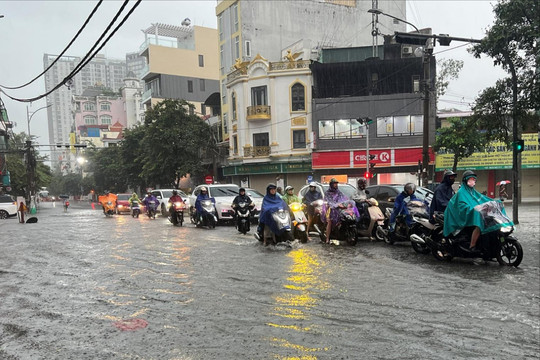
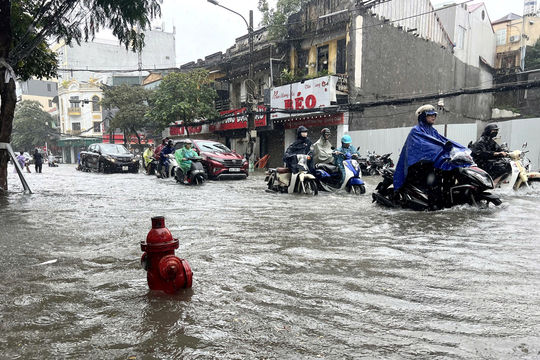
Flood prevention efforts face considerable pressure because Hai Phong has experienced consecutive days of rainfall, with many streets suffering localized flooding during recent downpours.
The city’s drainage and irrigation sectors will continue closely monitoring rainfall, water levels, and tides while flexibly operating retention lakes, tidal culverts, pumping stations, and canal systems. Residents are advised to avoid traveling through deeply flooded areas, not to remove manhole covers, and to promptly report any incidents to the authorities.
BAO NAM