
Gửi bình luận
Universities in Hai Phong are proactively expanding cooperation with international partners, diversifying training programs, research activities, and academic exchanges.
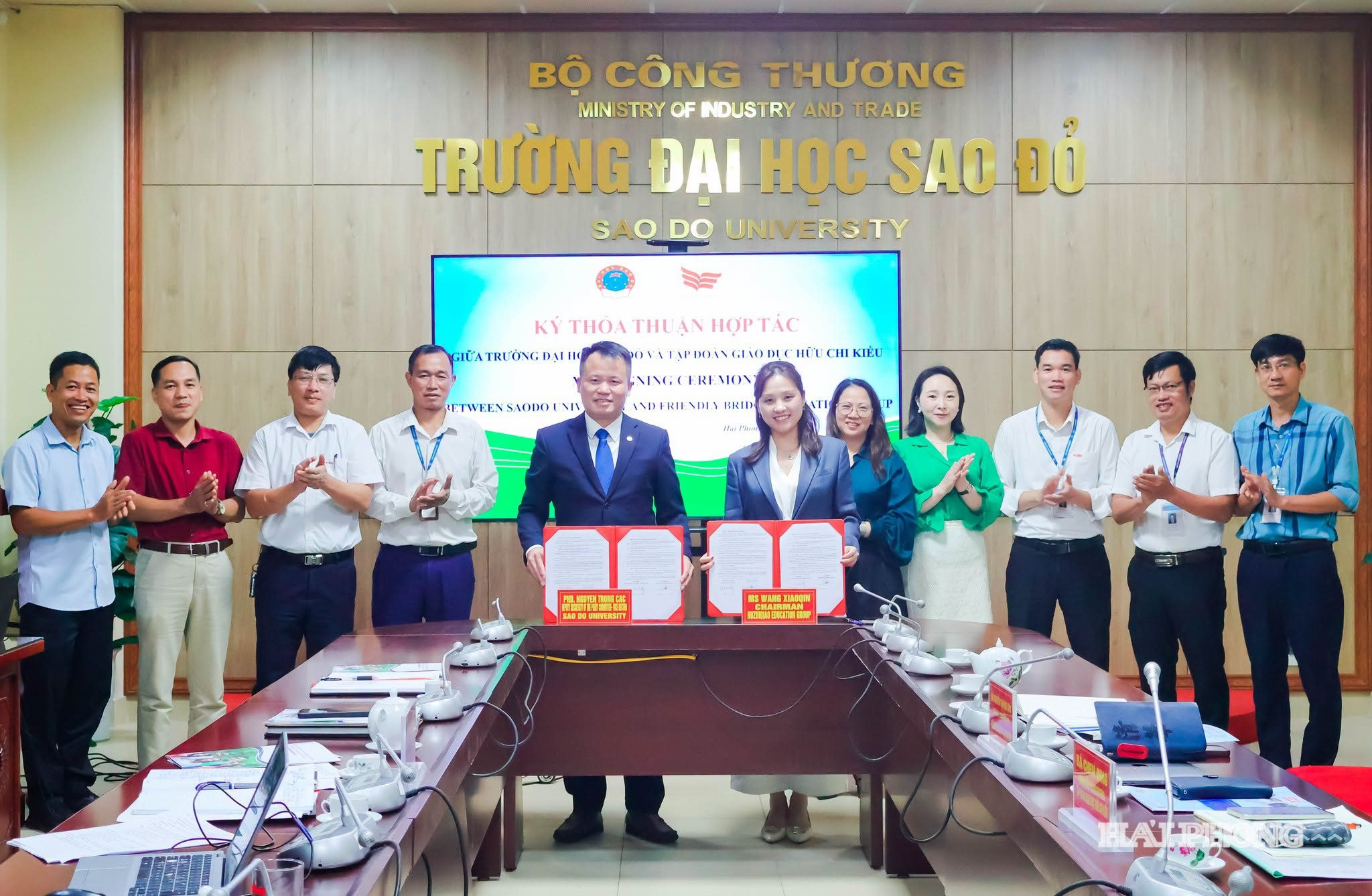
Sao Do University has established partnerships with a network of more than 50 corporations, businesses, and educational institutions in Japan, China, Taiwan (China), South Korea, Malaysia, the United Kingdom, the Netherlands, and other countries and territories. These partnerships provide a strong foundation for the university to expand its training collaborations.
Cooperation has been implemented in areas including academic exchanges, curriculum updates, technology transfer, faculty capacity building, and human resource development.
The university also works closely with a number of foreign-invested enterprises, including Eastech Vietnam, Toyo Denso Vietnam, UMC Vietnam, Canon Vietnam, Luxshare-ICT, and Hon Hai Technology Group. These partnerships provide students with opportunities to undertake internships and gain hands-on experience in real-world manufacturing environments.
In the automotive sector, the Toyota Technical Education Program on Body Repair and Painting is being implemented in cooperation with Toyota Vietnam. Students have the opportunity to undertake internships at Toyota Nakai Hai Phong. This helps bridge classroom knowledge with actual technologies, production processes, and employers’ recruitment requirements.
-19294e4435a94039a63db30124acd889.jpg)
Thanh Dong University also has partnerships with nearly 100 organizations and institutions in Germany, Japan, China, South Korea, Taiwan (China), Australia, New Zealand, Singapore, and other countries, expanding its models of training, exchange, and research. Each year, more than 80 students from language and engineering disciplines are sent abroad for advanced study and internships.
Notably, Thanh Dong University is implementing the JingShi Vietnam Institute Project, with a focus on connecting education, research, and industry. The first phase has been completed with a total investment of more than VND 10 billion, including practice facilities for electronics, embedded systems, automation, industrial robotics, and engineering simulation software. The second phase is planned to expand into artificial intelligence (AI), the Internet of Things (IoT), computer vision, intelligent control, and smart manufacturing, while also strengthening bilingual learning materials, faculty and student exchanges, joint research, and technology transfer.
Assoc. Prof. Dr. Le Van Hung, Rector of Thanh Dong University, said: “The university views international cooperation not simply as a means of expanding its network of partners, but as a way to create direct value for education and learners. Through connections with foreign universities, research institutes, and businesses, the university aims to update its curricula, incorporate new technologies into training, increase opportunities for practical learning and international internships, and gradually develop a workforce capable of meeting the needs of both domestic and international enterprises.”
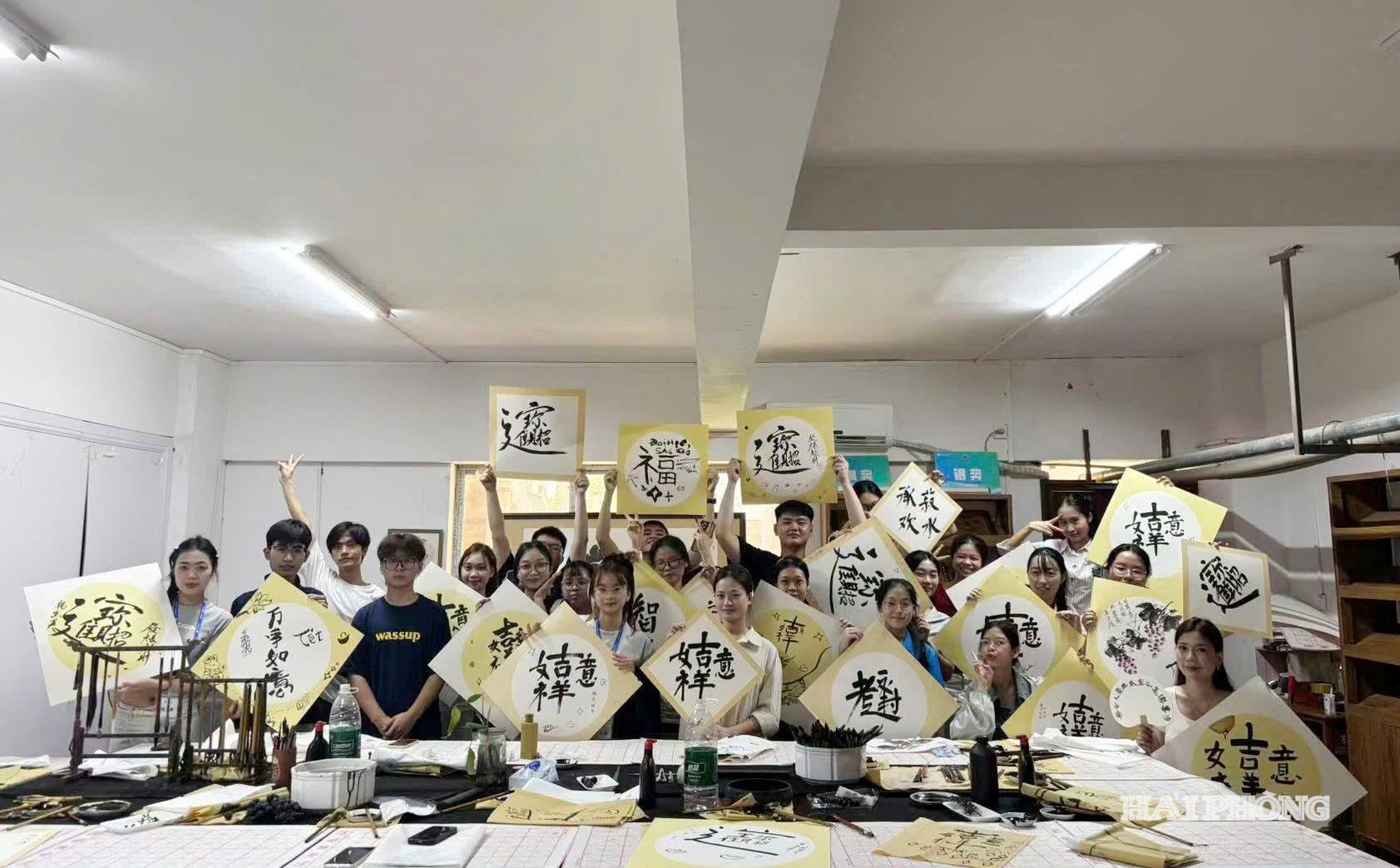
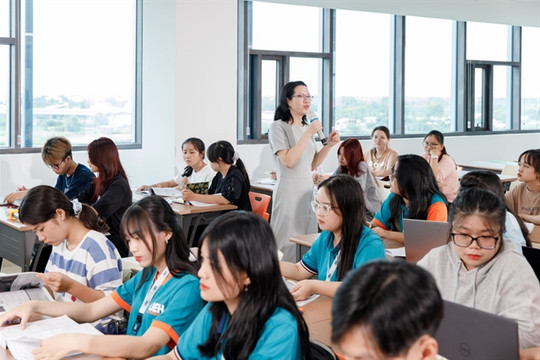
Alongside training partnerships, international cooperation is expanding students’ learning opportunities through exchange programs, short-term study programs, internships, and overseas experiences, while also bringing advanced technologies and teaching methods into the classroom.
Dr. Pham Van Du, Head of the Student Affairs Office at Sao Do University, said: “The university has created opportunities for students to participate in exchange, study, and internship programs at Guilin University of Electronic Technology, Nanning University (China), and partner institutions in Japan. Most recently, the university has further expanded cooperation with KEIO Group (Japan) and Huu Chi Kieu Education Group (China), with a focus on faculty and student exchanges, short-term study programs, and joint training programs under 1+2, 3+1, and 1+4 models. Through these initiatives, students have more opportunities to improve their foreign language proficiency, professional skills, and ability to adapt to international environments.”
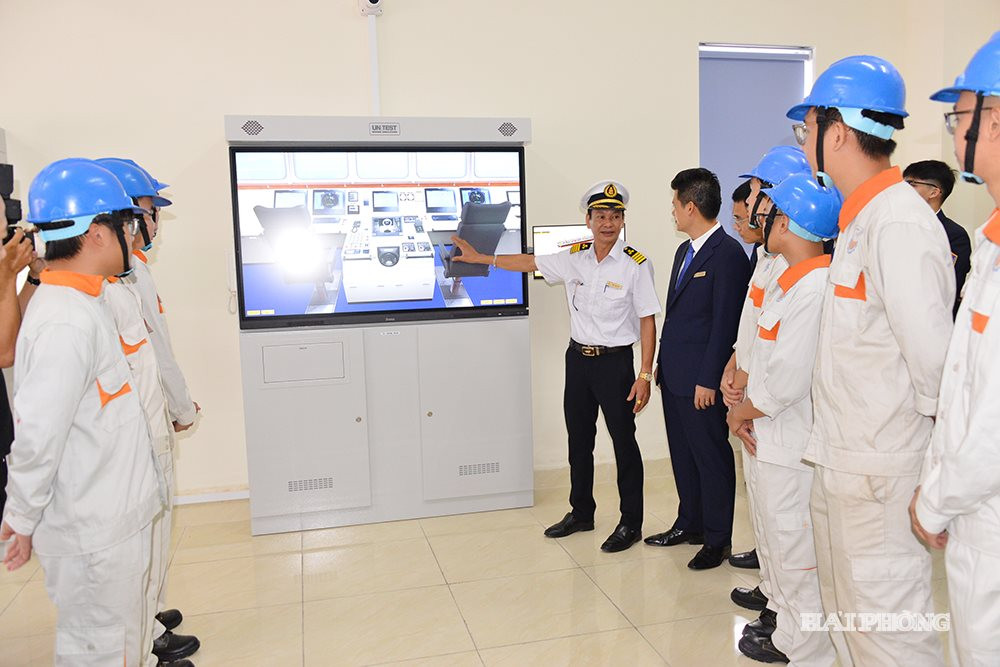
At Vietnam Maritime University, a 30-year partnership with NS United Kaiun Kaisha (Japan) has provided students with opportunities to undertake internships and gain exposure to the international maritime environment. In June 2026, the company handed over a modern engine room simulator system, enabling students to practice with LNG-powered and dual-fuel engine technologies and develop operational skills in conditions that closely replicate real-world operations. The university is also strengthening cooperation with Mitsubishi Heavy Industries (MHI) in research, professional exchanges, and the development of marine engine technologies.
Against the backdrop of strong demand for high-quality human resources to support the city’s socio-economic development, Hai Phong’s education sector identifies the expansion of international cooperation as an important solution for improving the quality of education and training and developing human resources, with the goal of establishing Hai Phong as an international center for education and training, in line with Politburo Resolution No. 45-NQ/TW dated January 24, 2019.
The city is focusing on expanding partnerships with foreign educational institutions, strengthening exchanges among teachers, lecturers, school and university students, and adopting advanced educational programs, methodologies, and technologies. Through these efforts, international cooperation is gradually shifting from simply expanding partnerships toward substantive collaboration, creating more learning opportunities, enhancing learners’ capacity for international integration, and contributing to the development of a high-quality workforce for Hai Phong.
Tran Hien