.jpg "STEM education inspires students’ creativity")
.jpg "Hai Phong enhances education through smart classrooms")
.jpg "Hai Phong education affirms leading position")

Gửi bình luận
Hai Phong’s education sector has recorded notable progress in international integration and cooperation. Through friendship exchanges and experience sharing, many schools are strengthening connection and transformation.

Proactive engagement
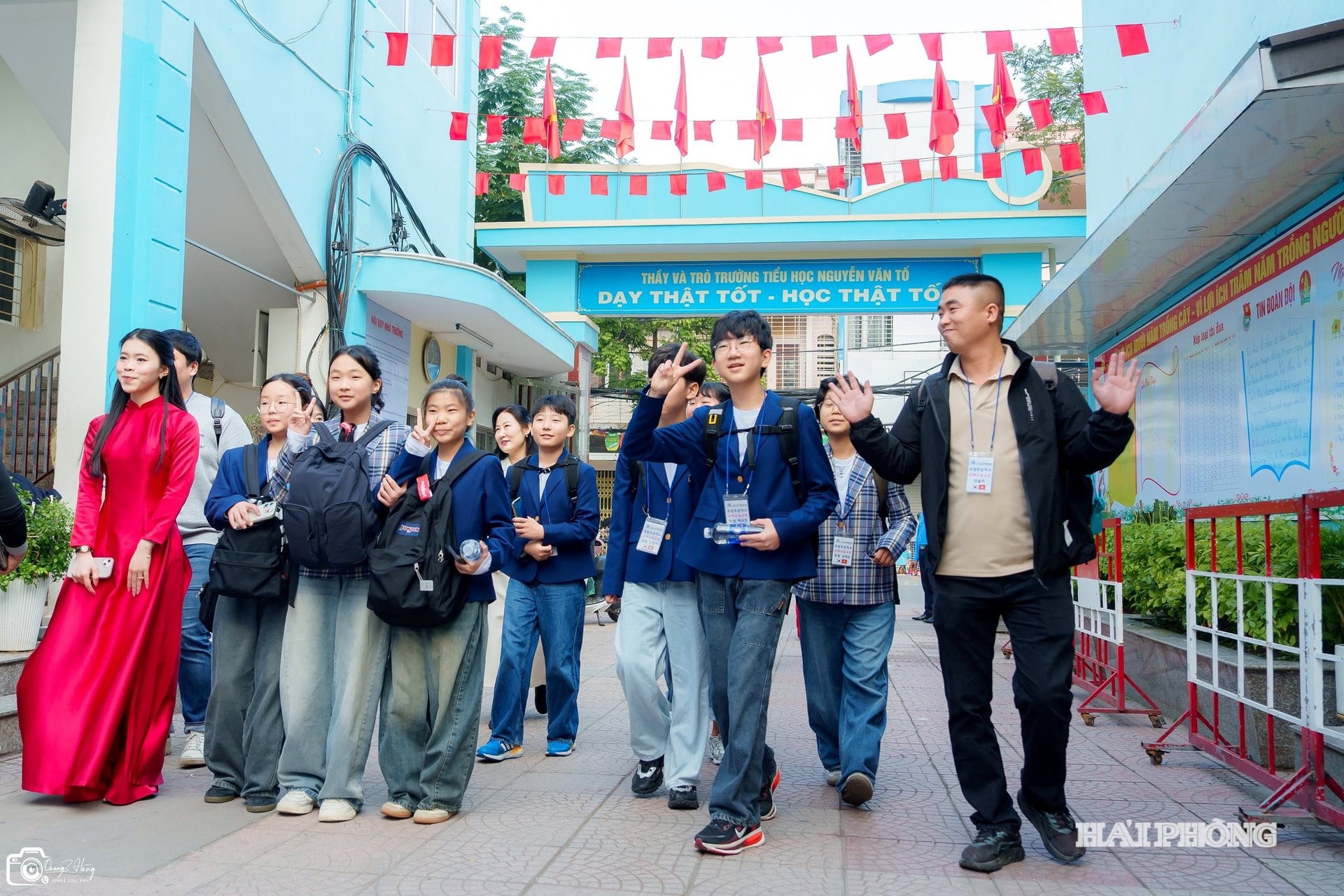
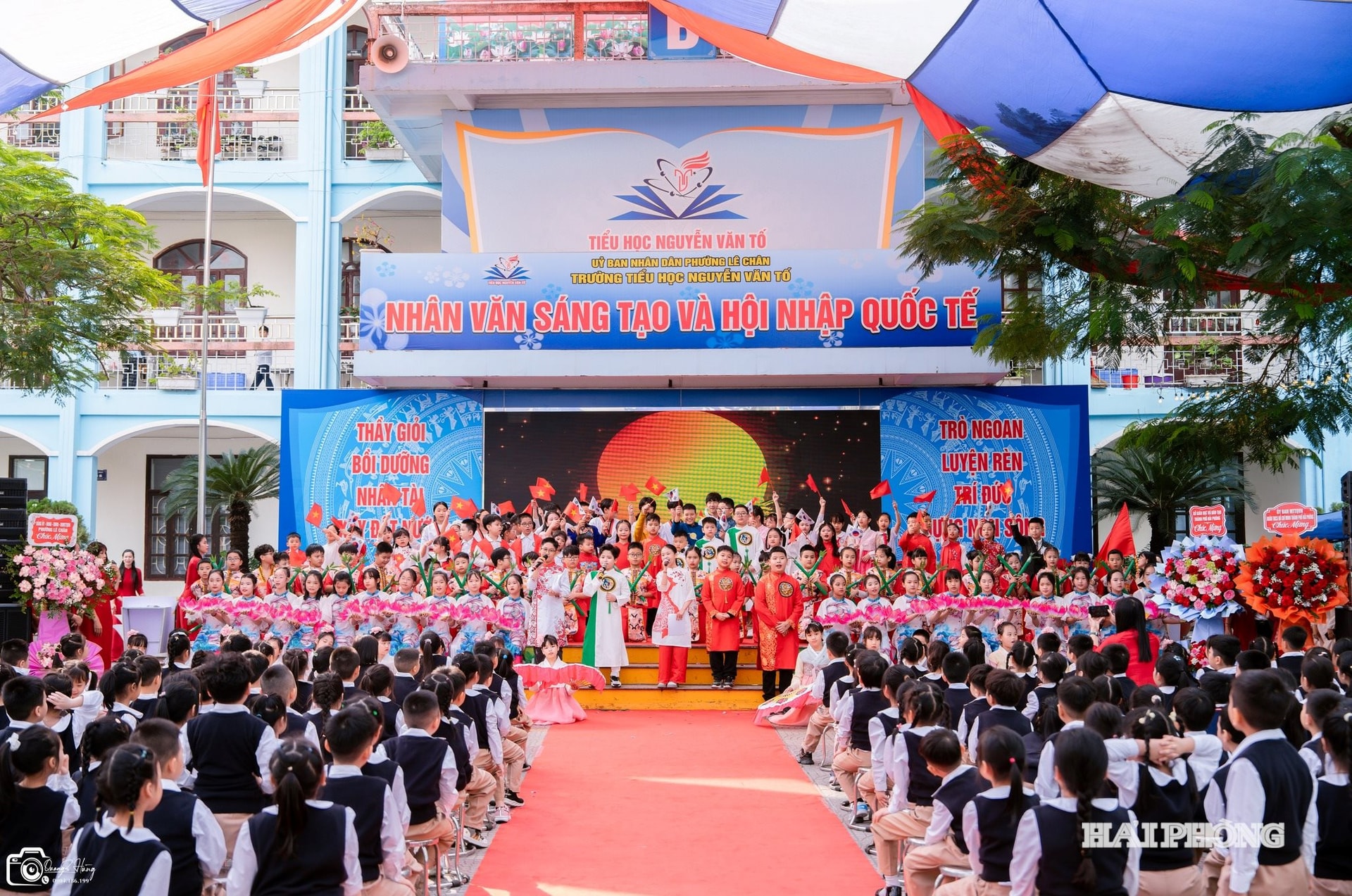
In late 2025, Nguyen Van To Primary School in Le Chan ward, Hai Phong city organized the Foreign Language Festival themed “My Hometown” for the 2025 – 2026 school year. The program drew representatives of the South Korea Business Association in Hai Phong and students from Choryang Elementary School in South Korea.
The festival was not only a playground for students to practice foreign language skills but also created a vibrant cultural exchange space, contributing to strengthening Vietnam – South Korea friendship.
According to Principal Nguyen Thi Tham, the program aimed to help students gain confidence in integration, becoming “young ambassadors” introducing the beauty of Vietnam and spreading their love for foreign languages to international friends.
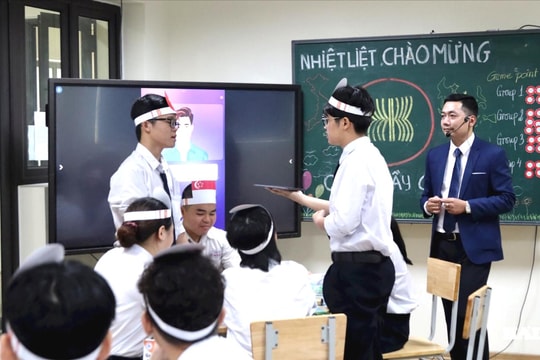
In addition to cultural exchanges and multi-language teaching, many schools have also actively implemented advanced teaching methods such as flipped classrooms, smart classrooms and blended learning to align with modern educational trends in the world.
International exchange and cooperation activities are regularly maintained across many institutions. Tran Phu and Nguyen Trai Senior High Schools for the Gifted receive an average of five to six international delegations each year from countries and territories such as South Korea, Japan, Russia and France for cultural exchanges and sharing of management and teaching experience.
In vocational education, many training institutions have actively established cooperation with international organizations. Notable examples include the Hai Phong College of Tourism, which has received support from P.U.M (the Netherlands) in transferring European pastry and chocolate making technology; and Hai Phong College of Economics, which partnered with World Vision to implement a vocational skill development project for disadvantaged youth.
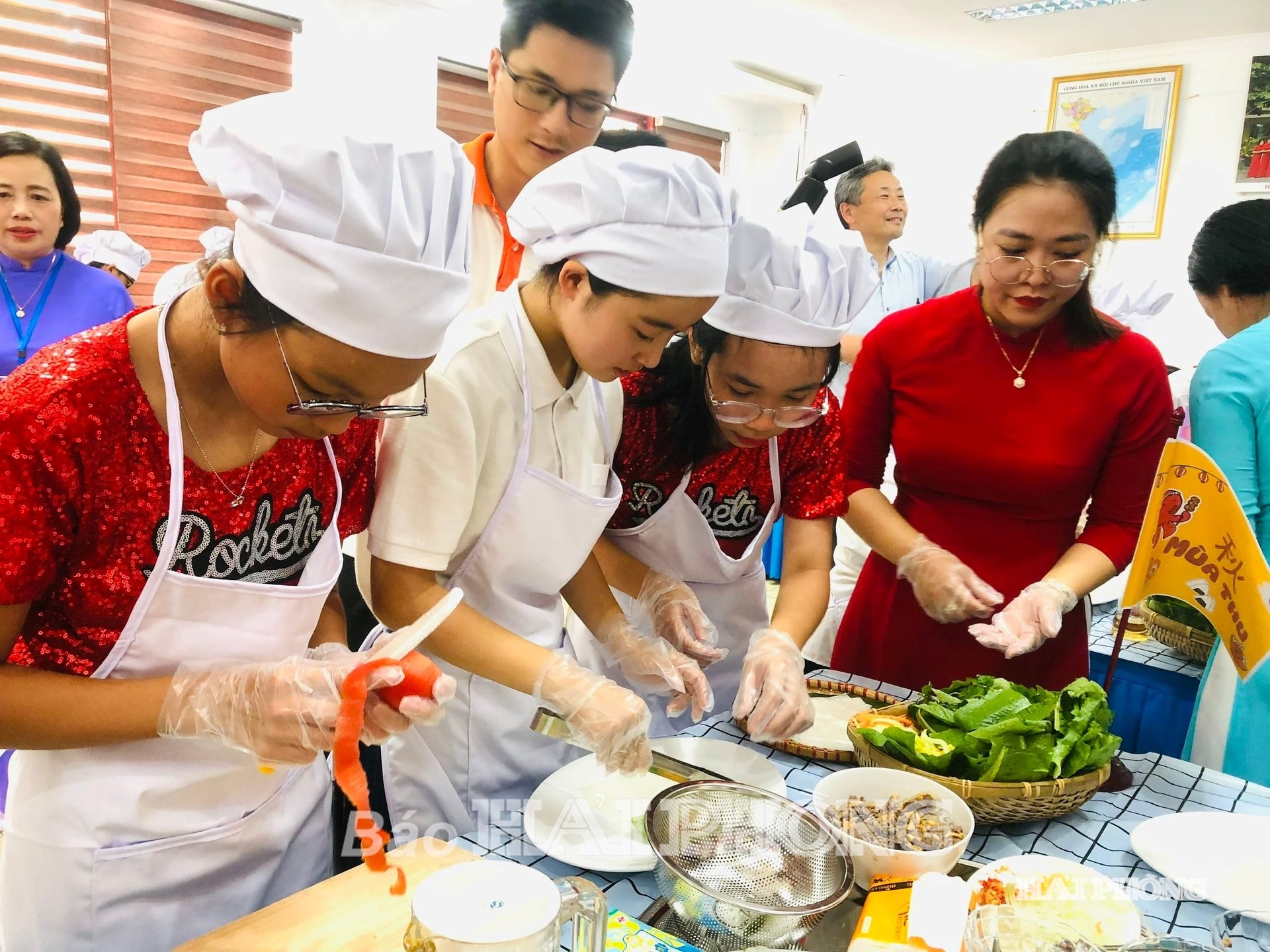
Several other colleges have signed training agreements with Japanese and South Korean businesses, helping improve the quality of human resources and meet labor market needs both domestically and internationally.
Strengthening integration
Over the past years, Hai Phong’s education sector has proactively carried out activities in international educational integration, attracted and effectively utilized foreign resources for education and training, and enhanced management of institutions with foreign elements and study abroad consultancy services.
Nguyen Anh Thuan, Head of the Division of Continuing Education, Vocational Education and Higher Education under the Department of Education and Training, said the sector has become more proactive in advising and proposing the attraction of foreign investment for education and training, achieving initial positive results.
The city currently has eight educational institutions with foreign elements. Several international universities such as RMIT and BUV are actively studying and surveying opportunities to expand cooperation or establish campuses in Hai Phong. The city is also the first in Vietnam to pilot teaching South Korean as a first or second foreign language in general education schools.
To date, around 40 schools in the city have taught Korean language as a first or second foreign language or through clubs, with thousands of students participating. Hai Phong also provides multi-language education, including Korean, Chinese, Japanese, English and French, aligning with the city’s deep international integration.
At the same time, the city continues to attract foreign investment to education, forming modern and high-quality training institutions that diversify learning options and meet the growing needs of students.
BUI HANH