



Gửi bình luận
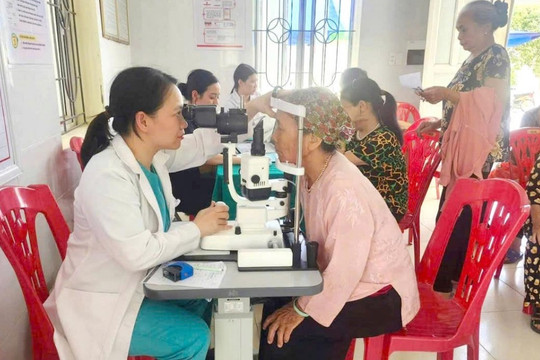
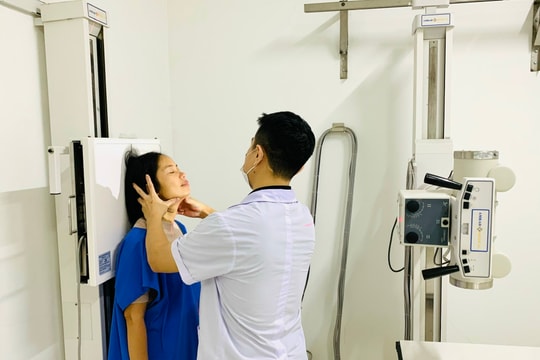
Hai Phong is effectively implementing the policy of universal health checkups, demonstrating its humanitarian significance and providing a basis for countering misinformation.
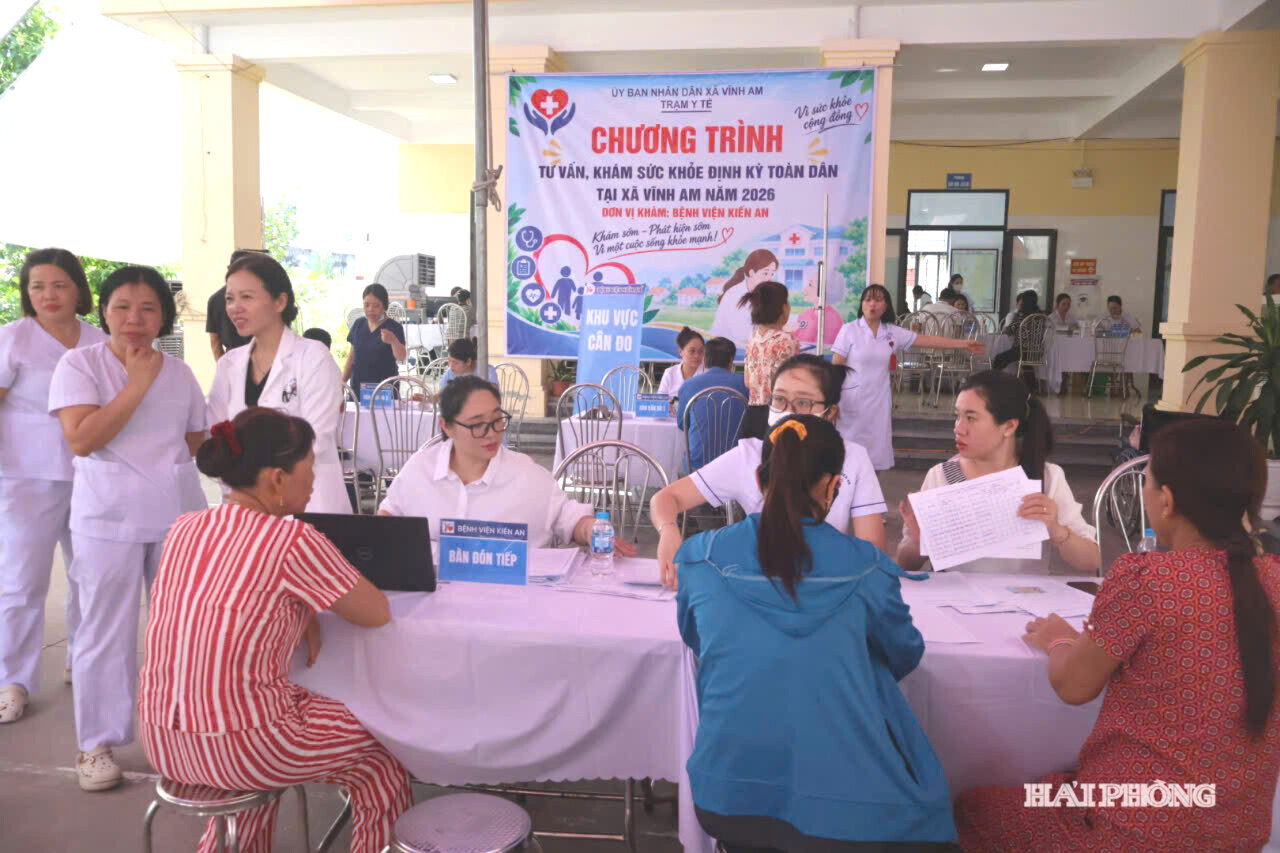
Distortion of a humanitarian policy
Protecting, caring for, and improving public health is an important task closely linked to quality of life and the country's sustainable development. The Politburo’s Resolution No. 72-NQ/TW, dated September 9, 2025, sets out a strategic shift from a focus on medical examination and treatment toward proactive disease prevention and comprehensive, continuous health care throughout people's lives. Under this resolution, providing periodic health checkups or free screening examinations at least once a year, beginning in 2026, is a practical policy aimed at ensuring people's access to health care services.
Minister of Health Dao Hong Lan noted that this policy represents a major step forward in community health care, particularly benefiting vulnerable groups and low-income people. More importantly, it helps change public perceptions of proactive health care.
However, in cyberspace, policies directly affecting people's interests can become targets of distortion. Some narratives equate universal health checkups with indiscriminate testing, arguing that the program is impractical because of its budgetary costs and shortage of medical personnel. Some even exploit people's fear of “discovering an illness during a checkup” to discourage participation. Such interpretations can easily create doubt among people who do not fully understand the policy's objectives, scope, and implementation methods.
One notable tactic is to use difficulties encountered during implementation to condemn the policy as a whole. Concerns about resources, the quality of examinations, or the management of results are presented in ways that deny the policy's value, leading people to misunderstand the benefits of regular health checkups. If this mindset spreads, those who suffer first will be the people most in need of health care, particularly older adults, people with underlying medical conditions, and those facing difficult circumstances.
Letting practical results speak for themselves
In Hai Phong, the program of periodic health checkups and free screening examinations is being implemented under Plan No. 201/KH-UBND dated June 3, 2026. The intensive campaign, “90 Days to Accelerate and Complete Universal Health Checkups in 2026,” mobilizes departments, sectors, local authorities, and medical facilities to make health services more accessible and ensure that examination results are updated in electronic health records.
Vice Chairman of the City People's Committee Dao Trong Duc has acknowledged the positive progress and called on agencies, units, and local authorities to accelerate implementation and complete their assigned tasks as planned. He emphasized the principle of “substantive implementation, not chasing numbers,” requiring localities falling behind schedule to identify the causes and develop corrective measures.
This directive demonstrates that the city's goal is not merely to meet examination targets but also to ensure professional quality and effective follow-up care. Results must be recorded in electronic health records. People showing abnormal signs must be referred for specialized examinations, while those with chronic diseases need appropriate monitoring, counseling, and treatment.
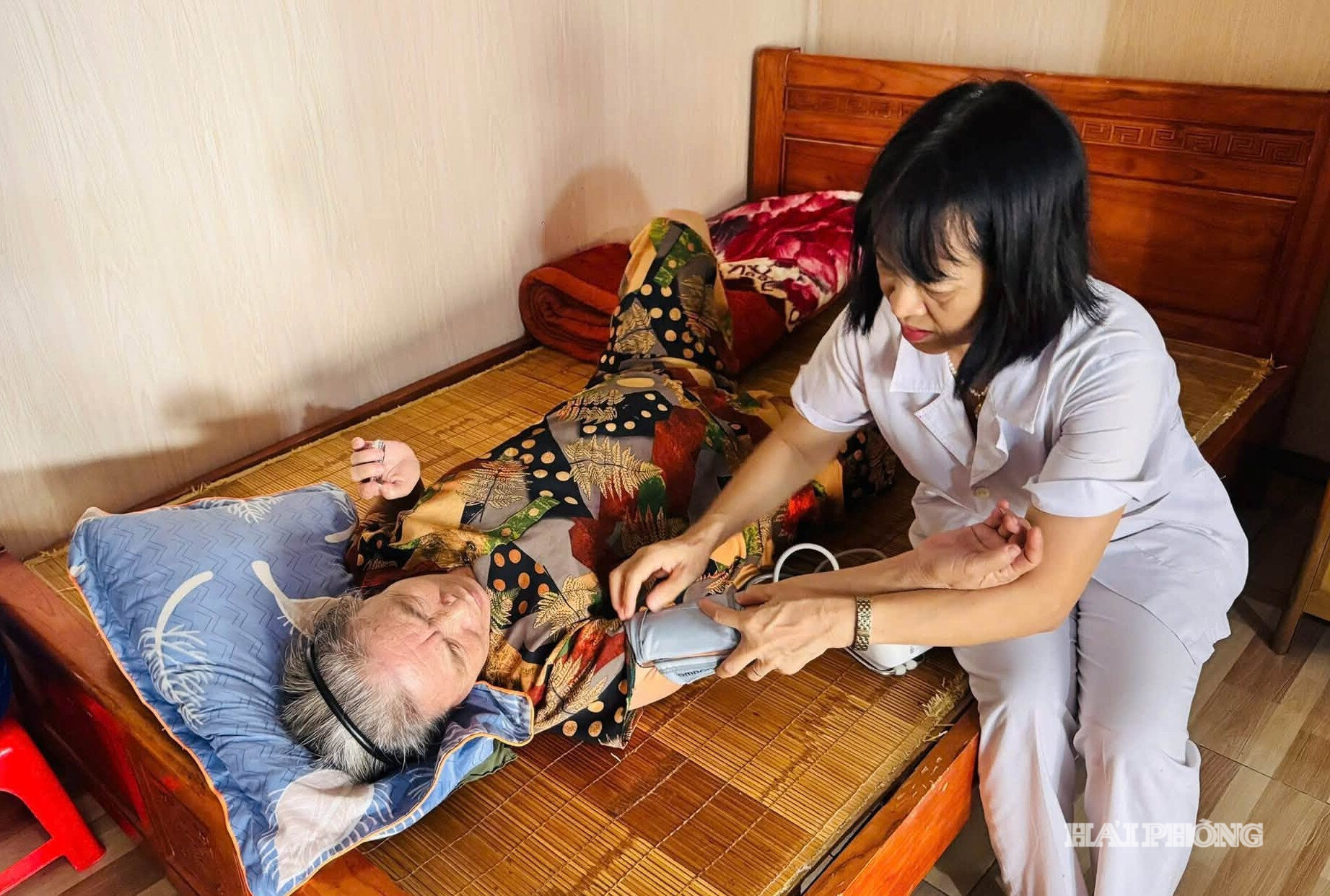
The program's value is also reflected in individual cases. At 87, Phan Van Hien, a resident of Tan Hung Ward, has had limited opportunities to seek medical examinations because of his advanced age and frail health. He was delighted to receive a checkup right in his local area. “Getting around is difficult at my age, so having a checkup right here in my locality is very convenient. Knowing what illnesses I have and how I should take medication and adjust my diet gives me greater peace of mind,” said Hien.
For older people like Hien, receiving checkups close to home reduces travel difficulties and provides essential information for daily health management. The benefits extend beyond statistical figures to helping people understand their health conditions, recognize potential risks, and take appropriate action. This demonstrates the policy's humanitarian significance when it reaches the right beneficiaries and addresses their practical needs.
Based on its implementation experience, Hai Phong needs to continue ensuring the quality of examinations, managing data, and monitoring patients after abnormalities are detected. Shortcomings in implementation schedules, staffing, and organizational capacity must be objectively assessed, openly disclosed, and promptly addressed. When people receive clear explanations of procedures, their entitlements, and how to use examination results, legitimate concerns can be resolved, reducing the risk of unverified information shaping public perceptions.
For Hai Phong, every resident who receives a checkup in accordance with regulations, every patient who is promptly guided toward appropriate treatment, and every examination result used for long-term health management helps strengthen public confidence in the policy.
NGOC THANH