



Gửi bình luận
Digital data is emerging as an important new resource, driving innovation in governance models and promoting Hai Phong's socio-economic development.
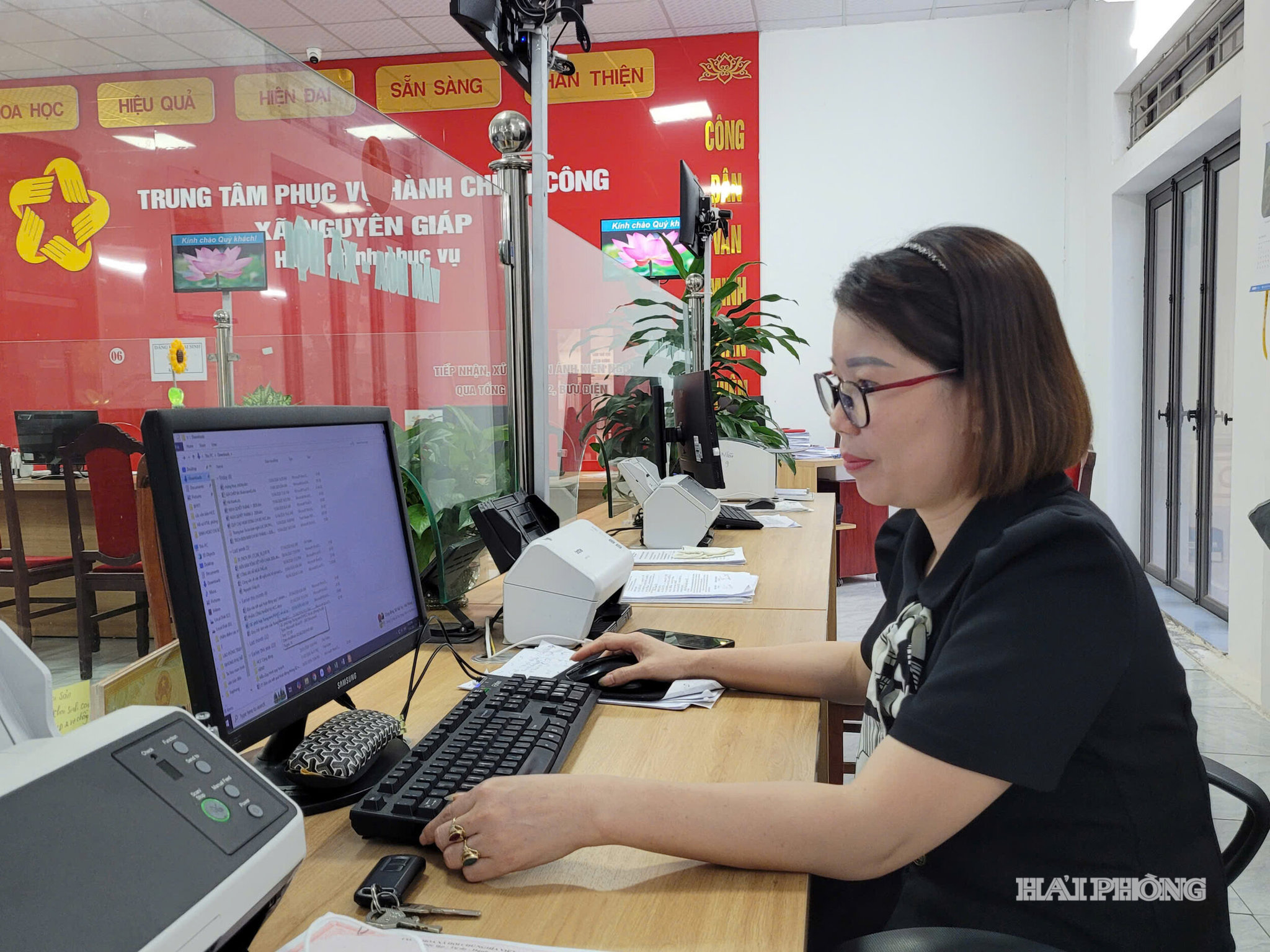
Phung Thi Hang, a resident of Nguyen Giap Commune, completed an online procedure to obtain a certified copy of her birth certificate from home through the fully online public service system. Instead of preparing paper documents and visiting the relevant authorities in person, she only needed to submit a request online.
The necessary information was already available in the database and was verified by officials to process her application. The resulting document was then delivered to her home by post.
“The procedure was quick and convenient, saving me time and travel costs. I am very satisfied with the way administrative procedures are now handled,” Hang said.
Her experience is becoming increasingly familiar to residents as administrative agencies step up the use of shared databases.
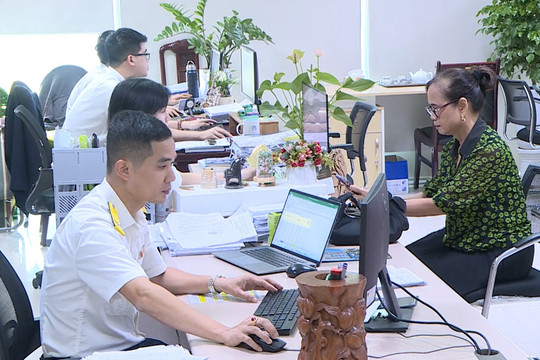
At the Nguyen Giap Commune Public Administration Service Center, documents are digitized from the initial reception stage and throughout the entire administrative procedure process. To date, 100% of documents received and processed have been digitized. For procedures covered by interconnected data systems, officials proactively use information from the system, reducing requests for residents to resubmit documents that are already available.
In Hai Phong, the development and completion of databases are being carried synchronously, from the city level down to local authorities. The city aims to ensure that data is regularly generated and updated, remains accurate and consistent, and can be connected, shared and reused.
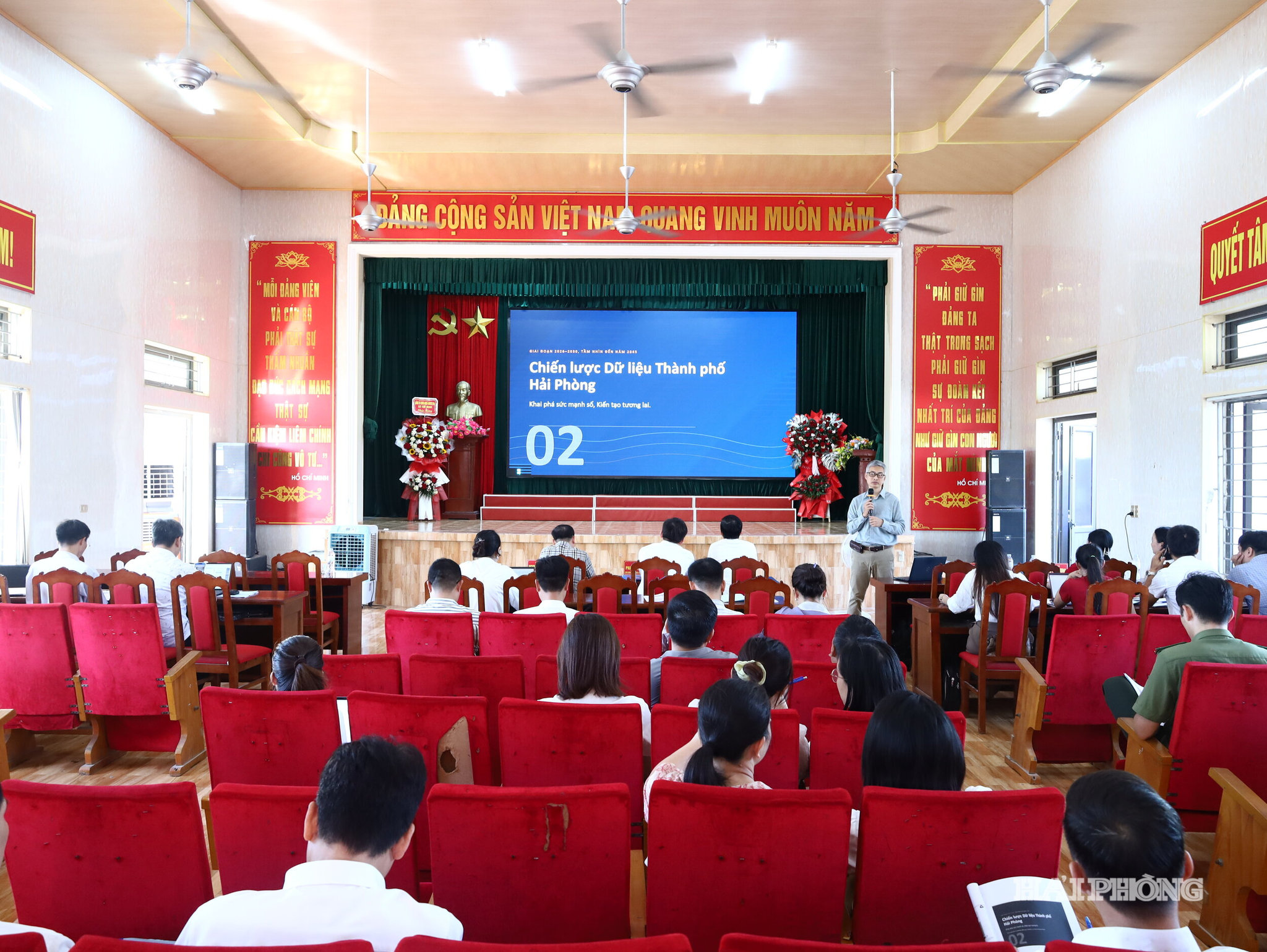
The goal is not simply to develop more software or databases, but to transform the way the administrative apparatus is managed and operated. When data on population, land, social insurance and civil status, among other areas, is connected and shared, residents no longer need to provide the same information repeatedly, businesses can reduce administrative costs, and management agencies have a stronger evidence base for making decisions that better reflect actual conditions.
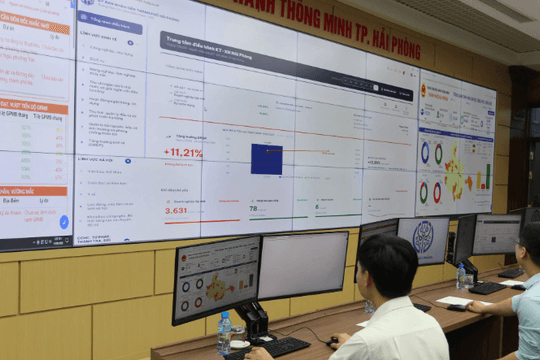
According to the Department of Science and Technology, by the end of September 2026, all 302 databases within the implementation scope had been updated, of which 267 were ready for data sharing. The city has also identified 192 key indicators for monitoring and supervision through its Intelligent Operations Center (IOC).
The shared data repository is gradually laying an important foundation for management, leadership and operational decision-making.
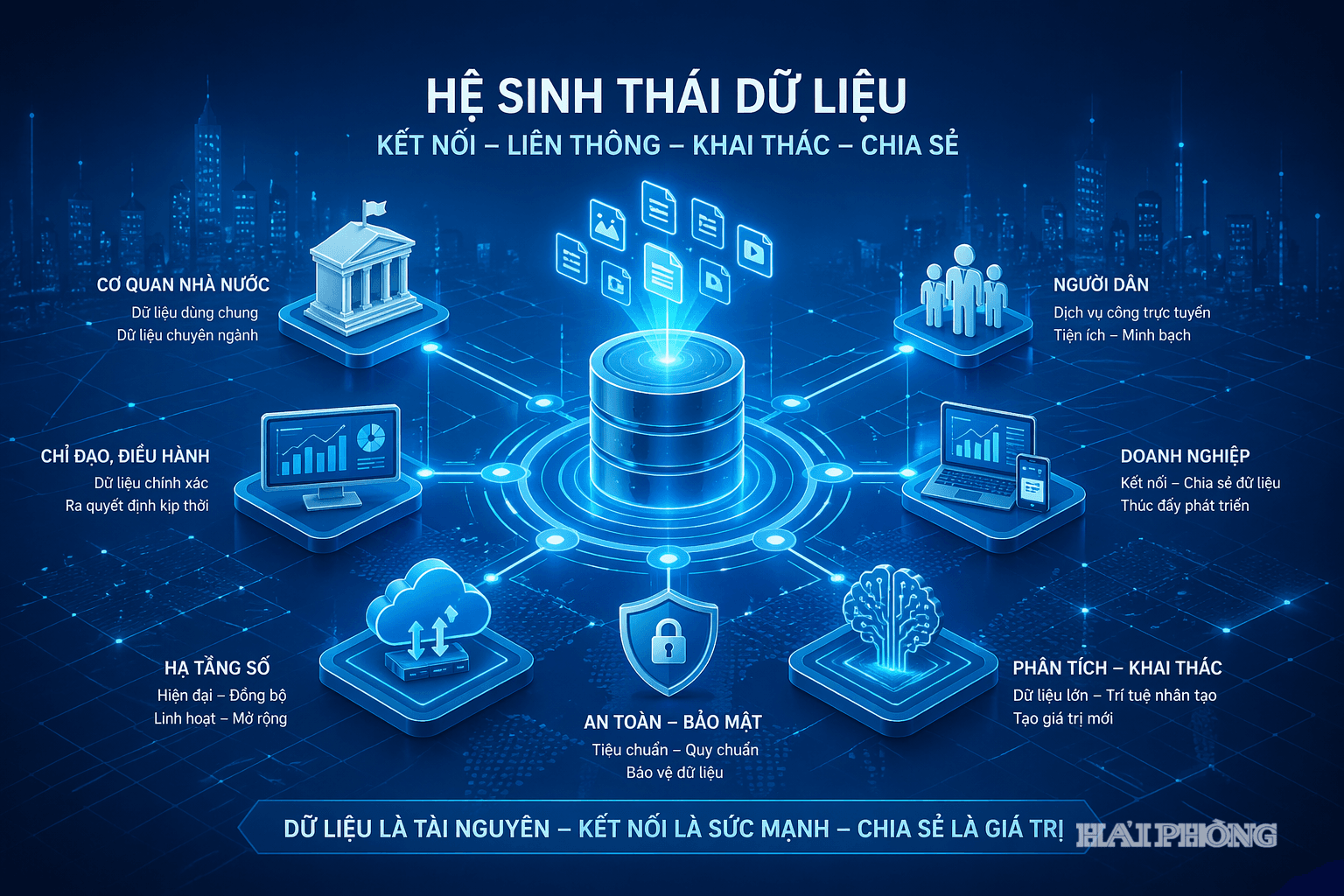
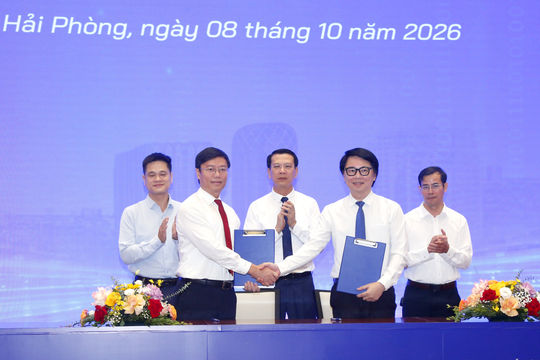
At the Hai Phong Digital Transformation Forum 2026, held last October, experts proposed various applications of artificial intelligence (AI) based on digital data platforms, focusing on addressing the city's specific challenges, particularly in industry, seaports, logistics and urban governance.
For example, when data on vessel schedules, cargo volumes, transport vehicles, traffic cameras and weather conditions is interconnected, AI can analyze and forecast congestion risks on roads linking ports, helping businesses choose optimal transport times and save logistics costs and time. In industrial production, analyzing machinery operation data can help businesses detect potential equipment failures early, proactively carry out maintenance, minimize production disruptions and improve labor productivity.
The city's data utilization orientation has also been translated into seven major challenges in science and technology, innovation and digital transformation for 2026, recently announced by the municipal People's Committee.
In addition, the city has issued its Data Strategy for 2026–2030, with a vision to 2045. By 2030, Hai Phong aims to complete the development and updating of, and effectively put into operation, 100% of shared and specialized databases on the priority list; ensure that 100% of state agencies open and provide quality open data; and establish dedicated data units in all communes, wards and special zones.
Bui Duc Quang, member of the Hai Phong Party Committee and Vice Chairman of the Hai Phong People's Council, emphasized that science and technology, innovation and digital transformation must become key drivers of innovation in the growth model, improving productivity, governance capacity and Hai Phong's competitiveness.
Hai Phong News