


Gửi bình luận
Hai Phong’s tax sector is stepping up data utilization, monitoring financial flows and supporting taxpayers to prevent revenue losses from e-commerce activities.
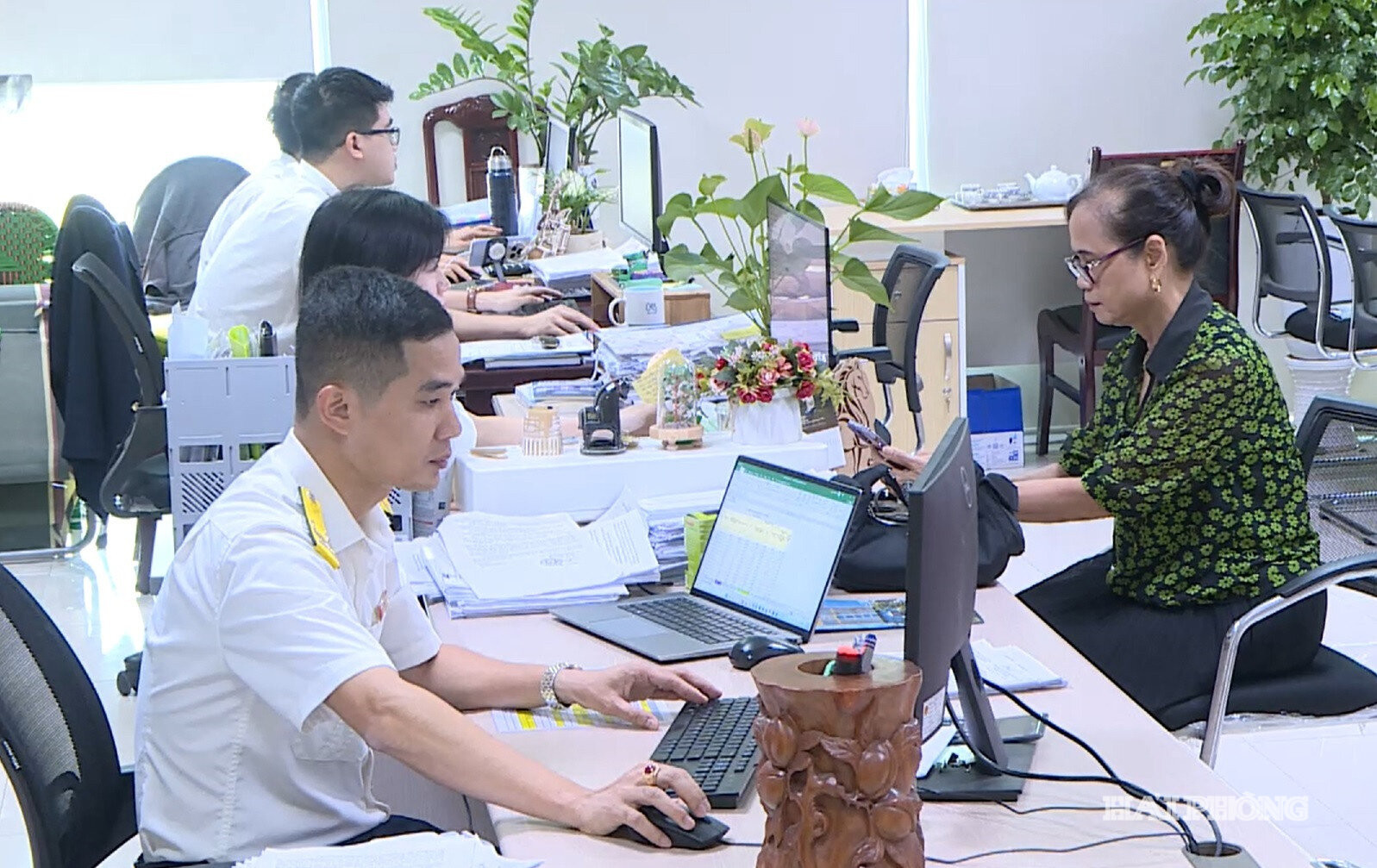
According to statistics, e-commerce in Hai Phong has grown by an average of 23–25% annually in recent years. Revenue from this sector accounts for 16–18% of the city’s total retail sales and consumer service revenue, exceeding the national average. The development of the digital economy offers significant potential for increasing state budget revenue, while also requiring tax administration to be based on data, taxpayer identification and verification of actual financial flows.
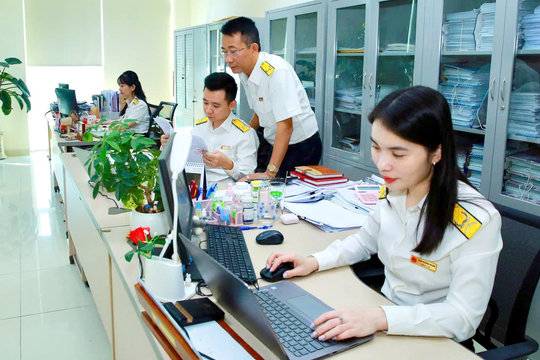
In response to these requirements, Hai Phong Tax Department is strengthening information connectivity and sharing with relevant organizations and agencies, gradually broadening the tax base and improving the effectiveness of tax administration for e-commerce and digital platform-based businesses.
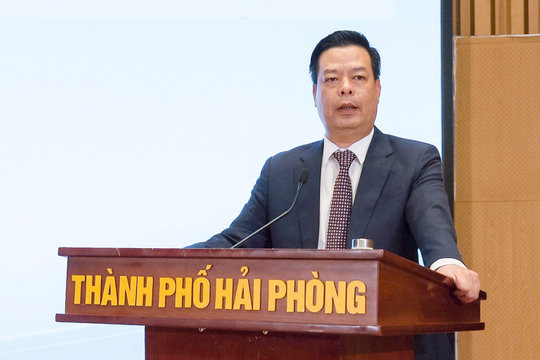
Mr. Pham Tuan Anh, Deputy Director of Hai Phong Tax Department, said that tax administration methods need to shift from traditional approaches to data-driven management.
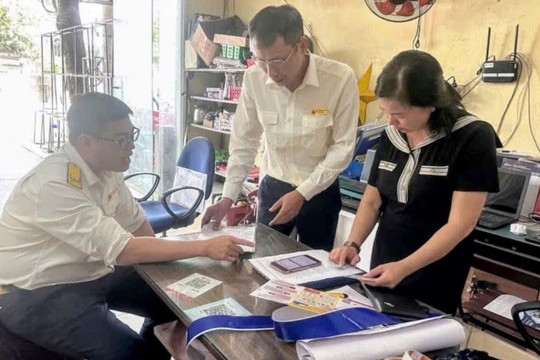
Accordingly, the tax authority is stepping up the application of technology and the collection and cross-checking of information from multiple sources. It is also coordinating with banks, e-commerce platforms, delivery companies and payment intermediaries to determine revenue and monitor the tax obligations of organizations and individuals conducting business on digital platforms.
Initial results have been recorded through a specialized initiative to strengthen tax administration and prevent state budget revenue losses from e-commerce activities. Using data provided by Shopee, Lazada and Tiki, as well as delivery intermediaries such as Giao Hang Tiet Kiem, the tax authority completed a review of more than 23,800 taxpayers, who had paid over VND 63 billion in taxes.
Based on data on e-commerce taxpayers provided by delivery companies and payment intermediaries, the tax authority also reviewed more than 2,900 taxpayers, who had paid nearly VND 4.8 billion in taxes.
These results demonstrate that collecting and cross-checking data from multiple sources helps provide a clearer picture of revenue-generating business activities in the digital environment, supports the determination of tax obligations and helps prevent potential revenue from being overlooked.
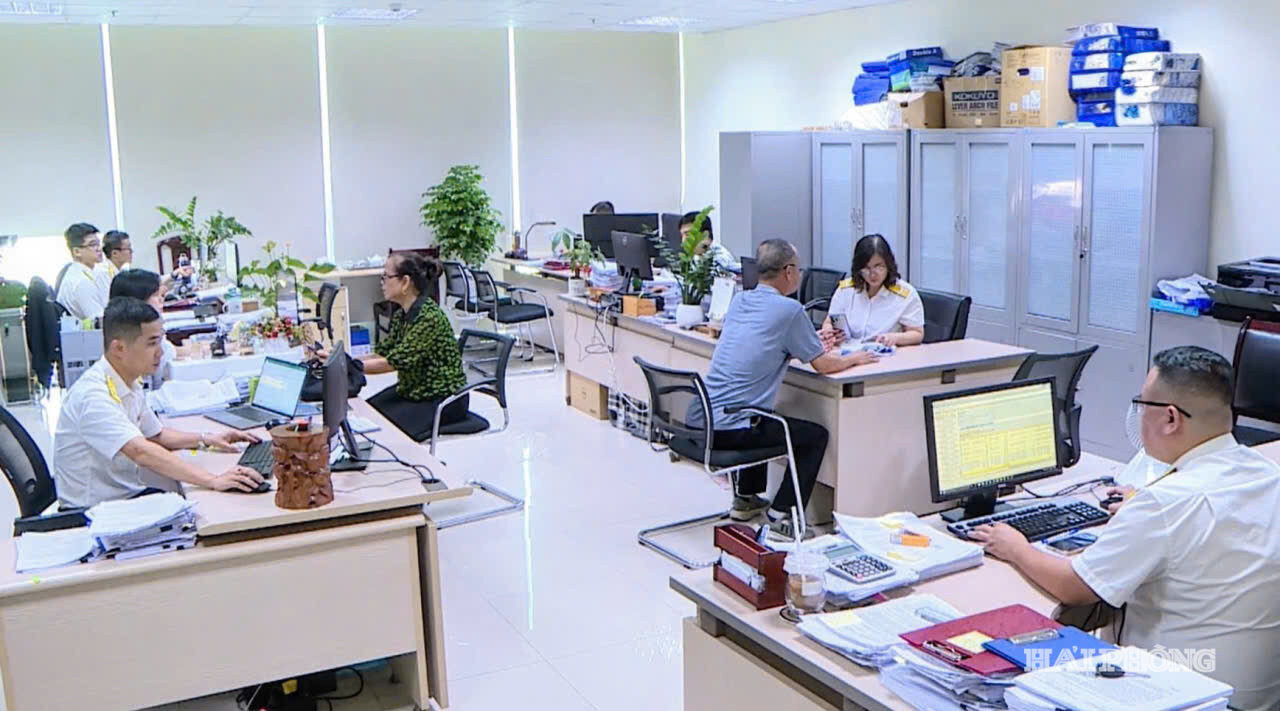
Pursuant to Resolution No. 11 dated July 15, 2026, of the Hai Phong Party Committee, the municipal People’s Committee has assigned Hai Phong Tax Department to continue reviewing each revenue source, strictly managing arising revenues and focusing on preventing revenue losses in high-risk sectors, including e-commerce, digital platform-based businesses, food and beverage services, and retail. In line with this direction, the tax authority continues to implement specialized initiatives to strengthen tax administration and prevent revenue losses in these sectors.
Tax administration for e-commerce activities still faces challenges, particularly in cross-border platform-based business operations. Business operators are widely dispersed, revenue sources are diverse, and financial flows pass through multiple domestic and international intermediaries, while business activities change rapidly. Therefore, the tax authority needs to strengthen data connectivity and sharing, improve its analytical capacity and coordinate with relevant agencies and organizations to determine revenue and ensure that tax obligations are fully met.
According to Mr. Pham Tuan Anh, Deputy Director of Hai Phong Tax Department, in the coming period, the tax authority will continue working with banks to standardize account data linked to personal identification numbers, thereby improving the verification of declared revenue against actual financial flows. It will also step up communication and provide guidance on tax declaration and payment through various channels, enabling taxpayers to proactively understand and comply with regulations and strengthening voluntary tax compliance.
The municipal People’s Committee has also instructed departments and agencies to enhance data sharing and standardization and connect their information systems with the tax authority, while coordinating inspections and handling violations in e-commerce and digital platform-based business activities. The State Bank of Vietnam’s Regional Branch 6 has been tasked with directing commercial banks to coordinate in providing information and verifying financial flows in accordance with regulations, while promoting cashless payments.
Improving tax administration for e-commerce not only helps prevent state budget revenue losses but also ensures fair competition among business operators, fosters a transparent business environment and creates favorable conditions for the sustainable development of the digital economy.
Ha Minh