



Gửi bình luận
Initiatives to reuse old items and limit plastic waste in Hai Phong are being expanded through activities in residential areas and schools, alongside effective waste treatment solutions.
Giving old materials a new lease on life
Used clothes, old jeans and leftover fabric are often discarded. Nguyen Thi Thu Huyen, a resident of An Duong Ward, makes use of these materials to sew children's clothing, handbags, pencil cases and hair ties.
Instead of using new materials, she selects suitable pieces of fabric to create different products, saving resources and reducing waste. “I feel very happy whenever finishing a product, especially when people appreciate and use it. Familiar materials can be turned into something beautiful and useful, which gives me more motivation to keep creating,” said Huyen.
In Hai An Ward, Nguyen Thu Nga, a former art teacher, uses dried flowers, seed shells, leaves, pine cones and other natural materials to create pictures. According to Nga, this trend has attracted many young people, who are making visually appealing products with their own distinctive touches. Many choose to make pictures by hand from common materials as gifts for their teachers on Vietnamese Teachers' Day (November 20). Each picture showcases the maker's skill and creativity while conveying their affection.
Products made from readily available materials show that reusing old items not only saves resources but also opens up new creative possibilities. Seen from a different perspective, familiar materials can take on new functions and value.
Reducing waste at source
According to the Department of Agriculture and Environment, Hai Phong generates approximately 3,300 tons of domestic waste every day. This figure is projected to reach 4,500 tons per day by 2030.
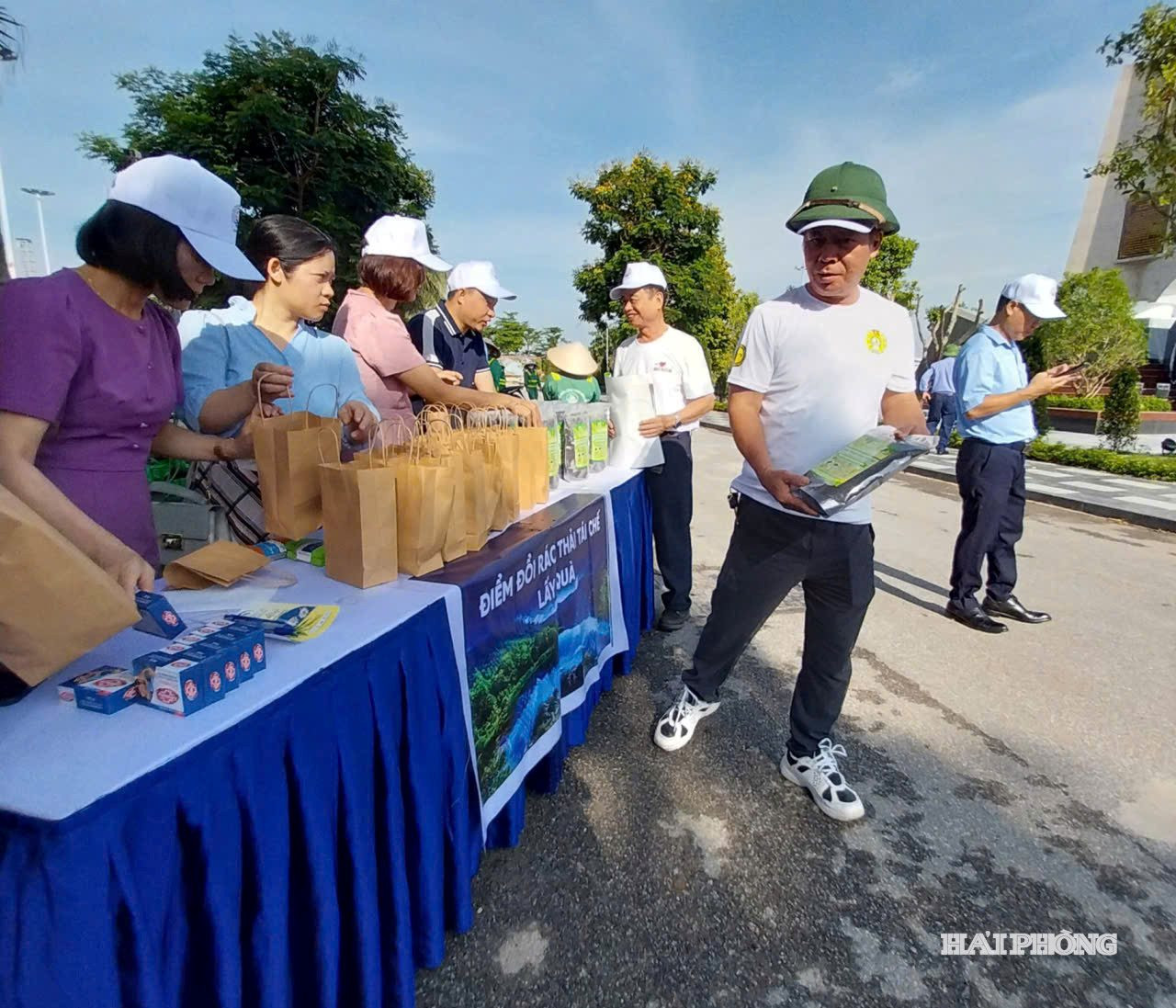
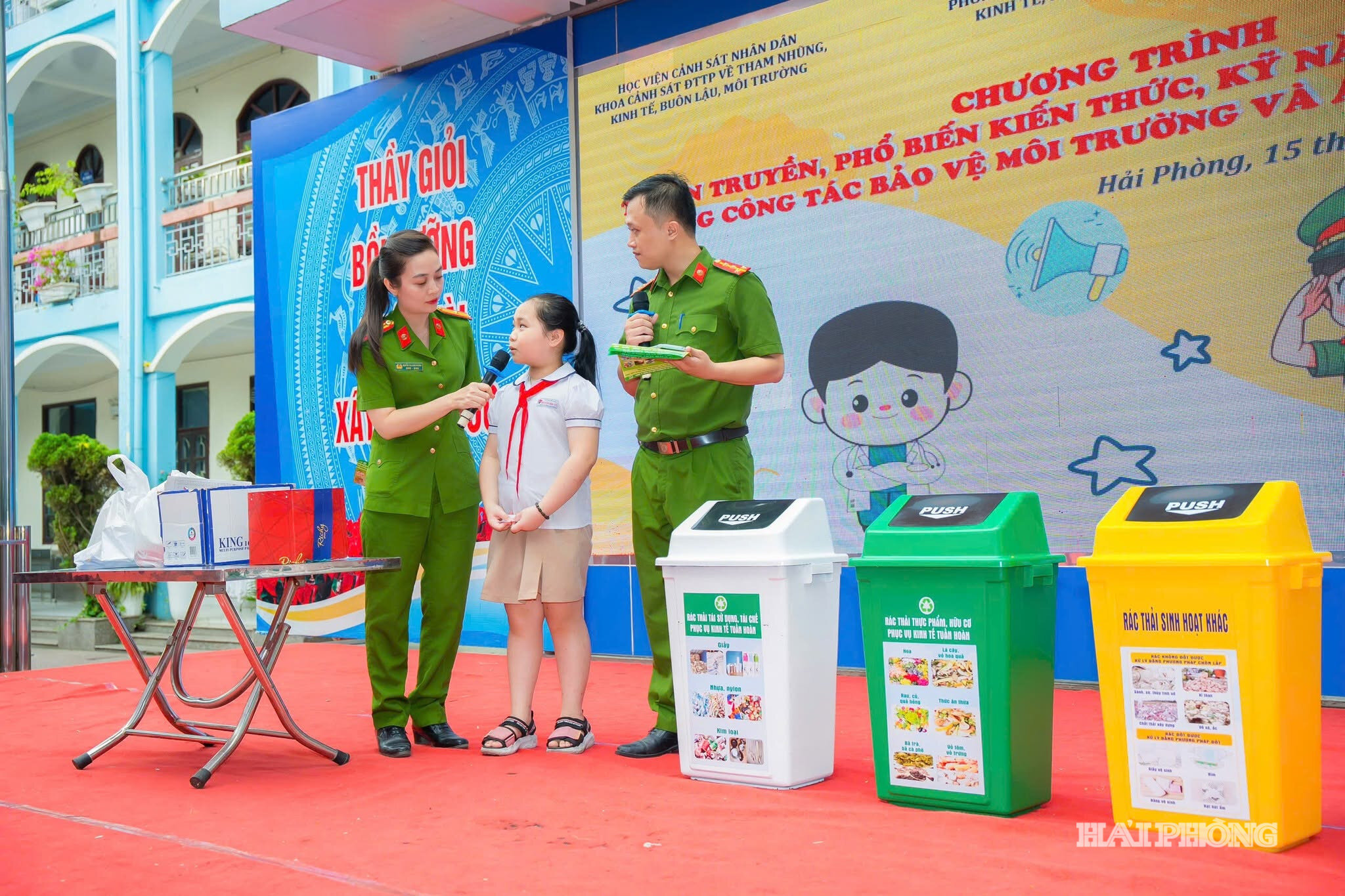
In many localities, initiatives to reduce plastic waste and sort waste at source are being implemented with the participation of mass organizations and residents. Coordination among residents, local authorities and waste collection units is essential to making waste sorting a daily habit.
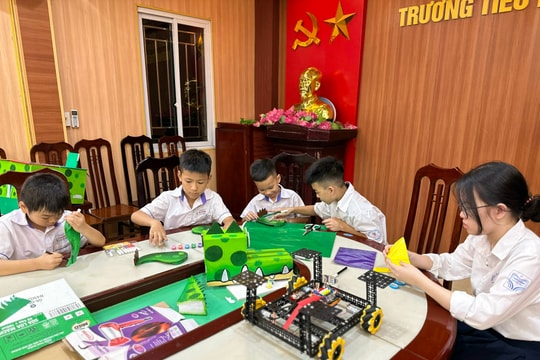
Educational institutions are required to integrate environmental protection into teaching activities, encourage the use of personal water bottles, limit single-use plastics in canteens and boarding-school kitchens, and organize activities in which students create products from recycled materials.
Under the roadmap, the city will pilot the “Green Schools – No Single-Use Plastics” model from October 2026 to December 2027. From 2028 to 2030, the model will be evaluated and reviewed, with suitable approaches considered for wider application.
Pham Van Thuan, Deputy Director of the Department of Agriculture and Environment, said: “Waste sorting at source must go hand in hand with the improvement of collection and treatment infrastructure. The city is promoting high-tech solutions and investment in waste-to-energy plants. The effectiveness of these efforts also depends on sorting waste where it is generated.”
Collection and treatment solutions can only be effective when accompanied by changes in daily habits. Everyone can help reduce waste by reusing old items, limiting single-use plastic products and maintaining the habit of sorting waste. Small changes are the foundation for reducing waste and contributing to building a green and sustainable living environment.
HA LINH