
Gửi bình luận
Hai Phong has incorporated plastic waste reduction into its climate change response strategy as part of its efforts to achieve net-zero emissions by 2050.
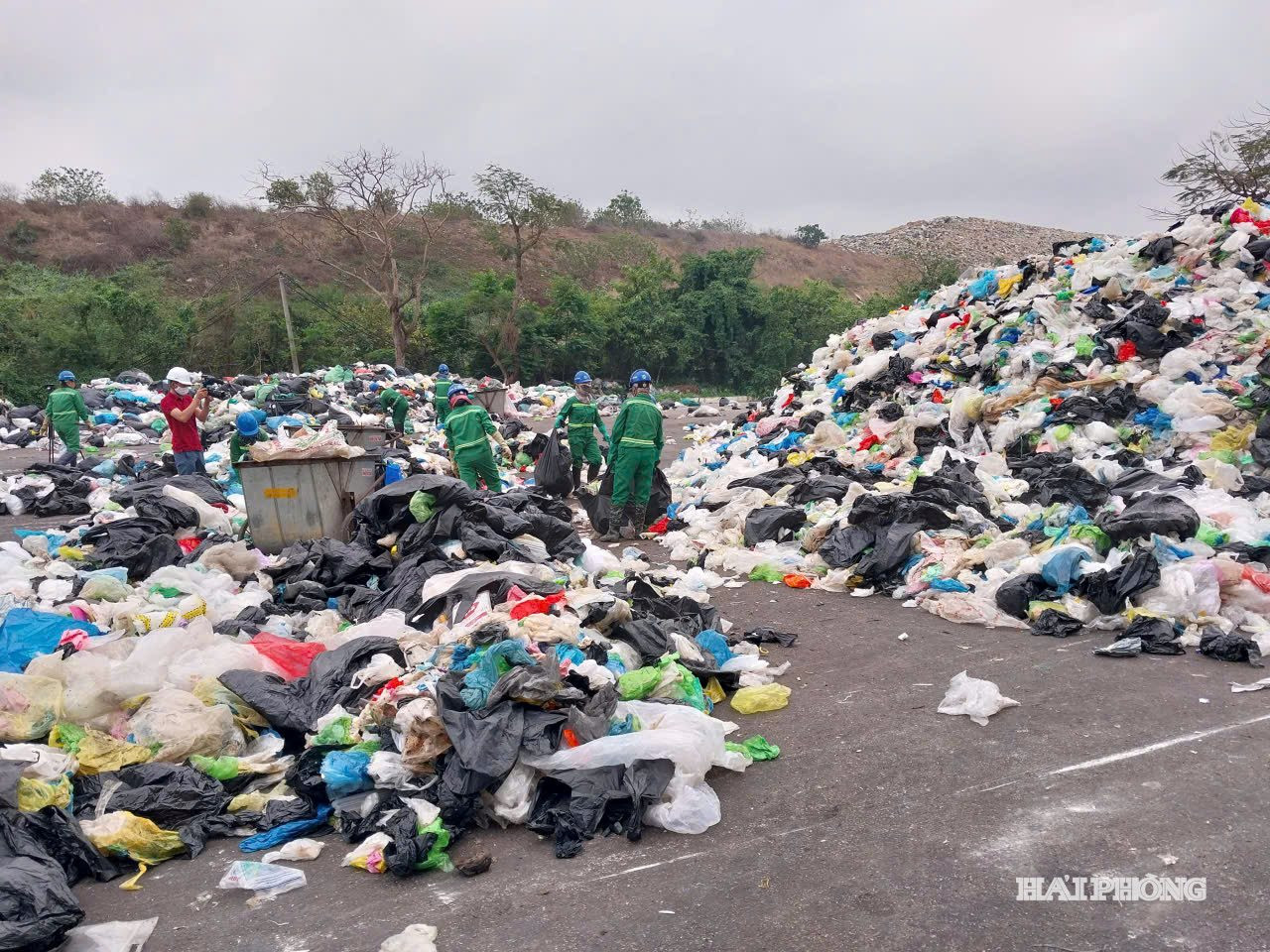
According to Mr. Pham Van Thuan, Deputy Director of the Department of Agriculture and Environment, Hai Phong currently generates approximately 3,300 tonnes of household waste per day, a figure projected to reach 4,500 tonnes per day by 2030. Plastic waste and plastic bags account for between 8% and 12% of the total volume, with more than 70% of plastic waste originating from single-use products such as foam containers, plastic cups, and bottled water.
Due to the city’s geographical characteristics, including its long coastline and dense river network, plastic waste that is not properly collected can easily spread into water bodies, creating severe “white pollution” pressure on sensitive ecosystems such as the Cat Ba Archipelago, Do Son, and coastal mangrove forests.
Over the past decade, coral reefs in the Cat Ba Archipelago have experienced declines in coverage, area, and species diversity due to the impacts of plastic waste. The production and consumption of plastic products also place direct pressure on the city’s greenhouse gas emission reduction targets. Most waste in Hai Phong is still disposed of through landfilling or incineration using outdated technologies, resulting in both the loss of valuable resources and increased greenhouse gas emissions, thereby undermining the city’s green development commitments.
At the recent workshop titled “Joining Hands to Reduce Single-Use Plastics – Promoting Green Lifestyles and Green Tourism” held in Hai Phong, Dr. Nguyen Thi Phuong Mai, Deputy Director of the Institute of Meteorology, Hydrology, Environment and Marine Sciences under the Ministry of Agriculture and Environment, highlighted the dual impact of climate change and plastic pollution on marine ecosystems, including those in Hai Phong.
Scientists once viewed climate change and plastic pollution as two separate challenges. In reality, however, climate change and plastic waste are reinforcing and amplifying one another, damaging ocean ecosystems at an unprecedented rate. Coral reefs occupy less than 1% of the ocean’s surface but provide habitat for more than 25% of marine species and are often described as the “lungs” of the ocean. Currently, 89% of coral reefs have been affected by disease due to heat stress combined with abrasion from plastic waste.
Therefore, addressing only isolated issues or dealing with symptoms is no longer sufficient. What is needed is a coordinated intervention strategy implemented on a nationwide scale. From Hai Phong’s perspective, plastic waste should be recognized as a source of greenhouse gas emissions within the city’s Net Zero roadmap. Targets for reducing the life-cycle impacts of plastic waste should be incorporated into climate change response plans, while stricter implementation of Extended Producer Responsibility (EPR) policies and circular economy models is required to curb microplastic pollution.
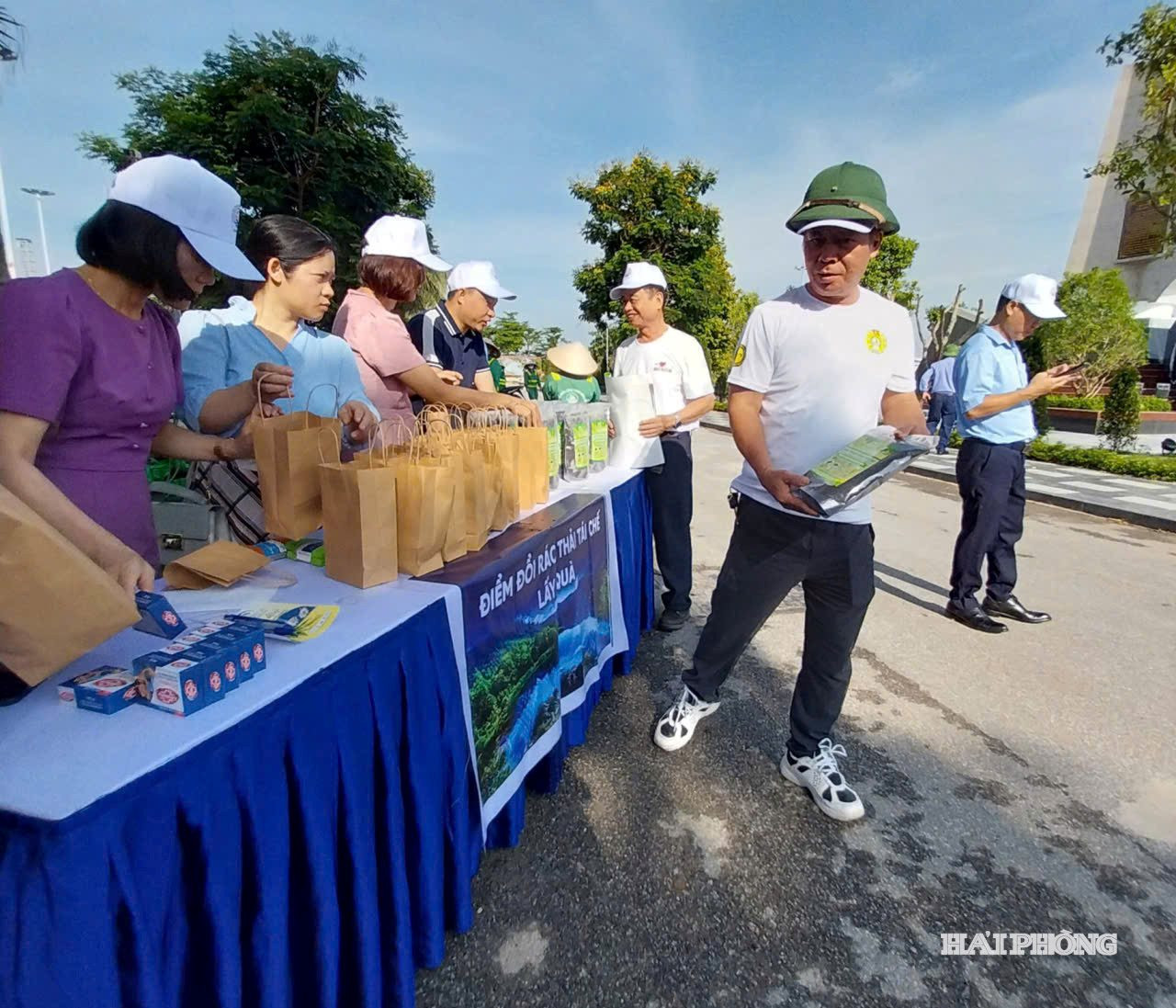
To reduce plastic waste, it is necessary to simultaneously implement solutions to minimize single-use plastics, strengthen waste classification at source, and organize effective plastic recycling. According to Mr. Pham Van Thuan, Deputy Director of the Department of Agriculture and Environment, in order to improve recycling efficiency, the Department is studying and advising the city on policies such as tax and fee incentives, as well as access to preferential loans from the Environmental Protection Fund for enterprises investing in recycling technologies or converting production lines toward environmentally friendly materials (such as biodegradable bags, products made from bamboo, coconut fiber, sugarcane bagasse, etc.).
For residents and household businesses, the Department is considering mechanisms such as “waste-for-gifts” exchanges, technical support, and the provision of free or low-cost tools for initial waste sorting. Administrative agencies and schools across the city are also encouraged to lead by example in using environmentally friendly products, thereby creating a stable demand market for green enterprises.
The city is also accelerating the progress and attracting investment in waste-to-energy (incineration for power generation) plants using advanced and modern technologies that meet strict emission standards.
At present, Hai Phong is strongly directing the implementation of household waste classification at source across the entire city (clearly classifying recyclable waste, organic waste, and residual waste); piloting the “Cat Ba Plastic-Free Island” model; and promoting eco-industrial zones (such as Nam Cau Kien Industrial Park and Deep C) to apply circular waste management practices and reduce industrial plastic waste.
However, to effectively reduce plastic waste and ensure sustainable livelihoods, strong community participation is essential, especially in household waste classification. In particular, businesses—especially in retail, manufacturing, and tourism services—play a pioneering role in reducing the supply of single-use plastic products.
Bao Chau