
Gửi bình luận
Haiphong is a coastal city with low-lying terrain, impacted by rising sea levels, storm surges, and strong storms. This requires urban planning to serve as a ‘shield’ helping the city adapt and develop sustainably.
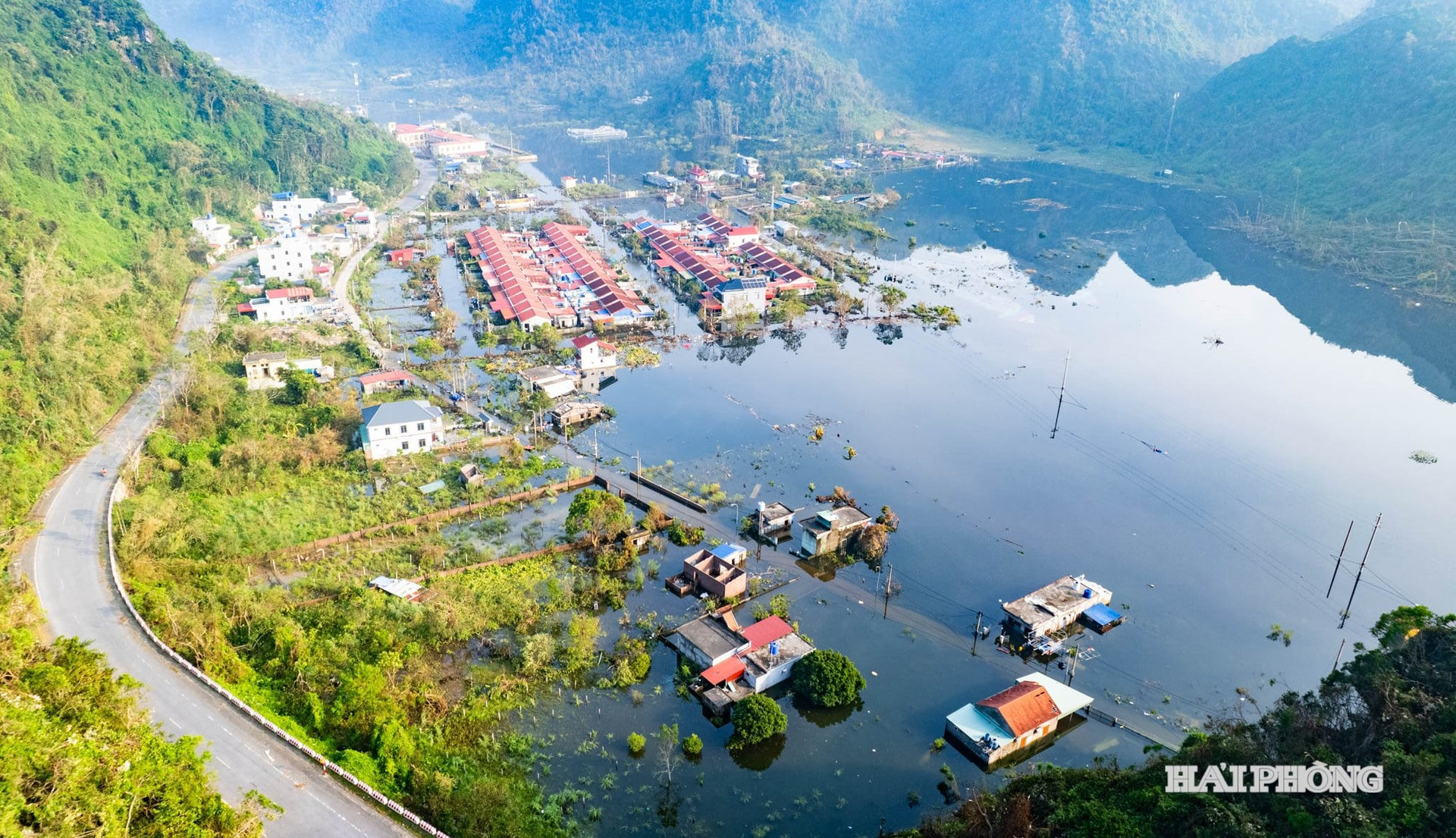
According to the report from the Standing Committee of Hai Phong Party Committee Summarizing Resolution No. 24-NQ/TW dated June 3, 2013 on proactively responding to climate change, strengthening resource management, and environmental protection, since 2013, the city has taken systematic steps to integrate climate change response into development planning.
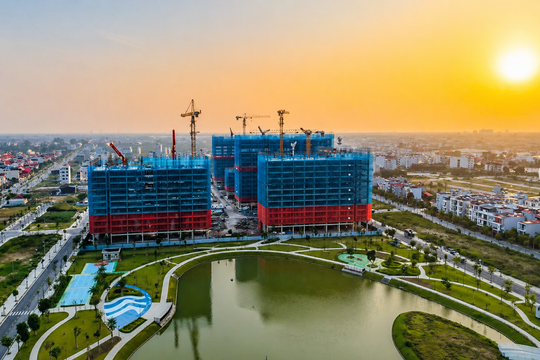
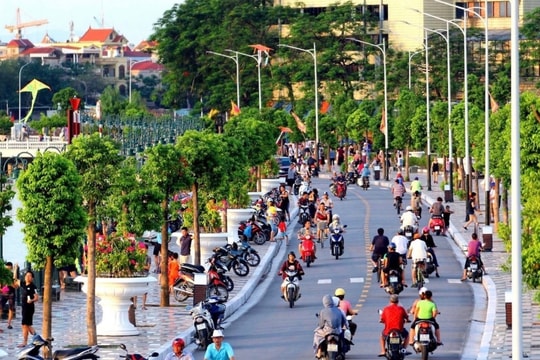
In particular, the city has synchronously implemented disaster prevention and control plans; built dozens of protection plans for key dike areas and vulnerable zones. At the same time, it has invested in upgrading transportation infrastructure, drainage systems, and wastewater treatment in a climate-adaptive direction.
The city is implementing a project to assess climate change impacts, vulnerability levels, risks, and losses as a basis for planning decisions.
In parallel, efforts are being accelerated to apply ‘smart’ solutions in climate change adaptation.
Investing in an automatic meteorological and hydrological monitoring system, building a disaster database, creating risk warning maps, and enhancing forecasting and early warning capabilities are considered the foundation for proactive response.
Another key pillar in the strategy to shift from response to adaptation is green transformation integrated with planning.
According to the orientation for the 2026–2030 period, the city will implement comprehensive green transformation across 7 sectors, with transportation and industry as the focus, while identifying green port development as a strategic breakthrough.
Proper planning will not only help Hai Phong adapt to climate change but also create opportunities to restructure the growth model, improve quality of life, and affirm its position as a modern port city in the era of green development.
Hai Phong News