


Gửi bình luận
Integrating logistics, production and investment data, applying smart data solutions and developing supporting industries will help Hai Phong strengthen the capacity of domestic businesses and create new growth momentum.
Demands arising from practical needs
In the first nine months of 2026, the city's Index of Industrial Production (IIP) increased by 15.14%, in which the manufacturing and processing industry alone grew by 15.36%. Cargo throughput at the city's ports was estimated at 156.3 million tons, up 11.8% year on year, while export turnover reached USD 43.72 billion, an increase of 12.3%. The expanding scale of the economy is creating a greater need for more effective connections among production, seaports, transportation and import-export activities.
Dr. Bui Nguyen Anh Tuan, Deputy Director General of the Agency for Domestic Market Surveillance and Development under the Ministry of Industry and Trade, said the city should prioritize areas with broad-reaching impacts, particularly port, logistics and supporting industry supply chain data, rather than developing fragmented data systems with limited interoperability.
With port cargo throughput reaching approximately 122 million tons and logistics costs accounting for 16 - 17% of the city's GDP, the lack of standardized and interconnected data makes it difficult to forecast cargo flows, coordinate vehicles and allocate container yards. The city therefore needs to establish a logistics data exchange platform, standardize data sharing and valuation mechanisms, and apply artificial intelligence (AI) to optimize cargo flows, and reduce time for waiting and customs clearance.
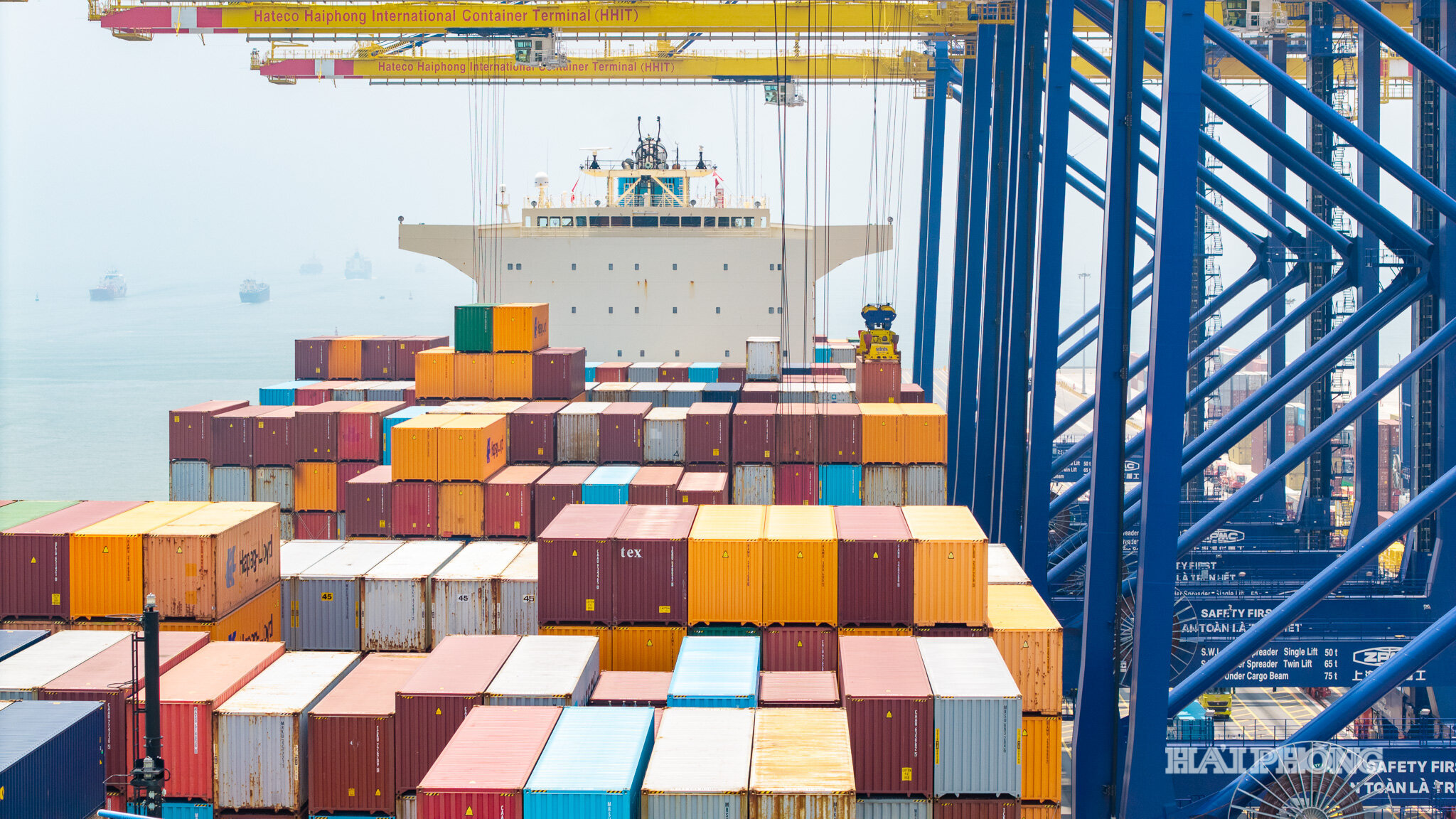
At Hateco Hai Phong International Container Terminal, for example, investment in an operational management system integrated with a dedicated 5G network and automated gates equipped with optical recognition technology has enabled 100% of trucks to pass through automatically, with turnaround time of less than 14 minutes.
At Hai Phong Port JSC, shore power systems require substantial investment and have long payback periods, while the local power grid does not have sufficient capacity to meet port demand. Therefore, developing smart and green ports requires integrated data across the entire logistics chain, infrastructure upgrades and appropriate investment resources.
Addressing the need for a digital supply chain map
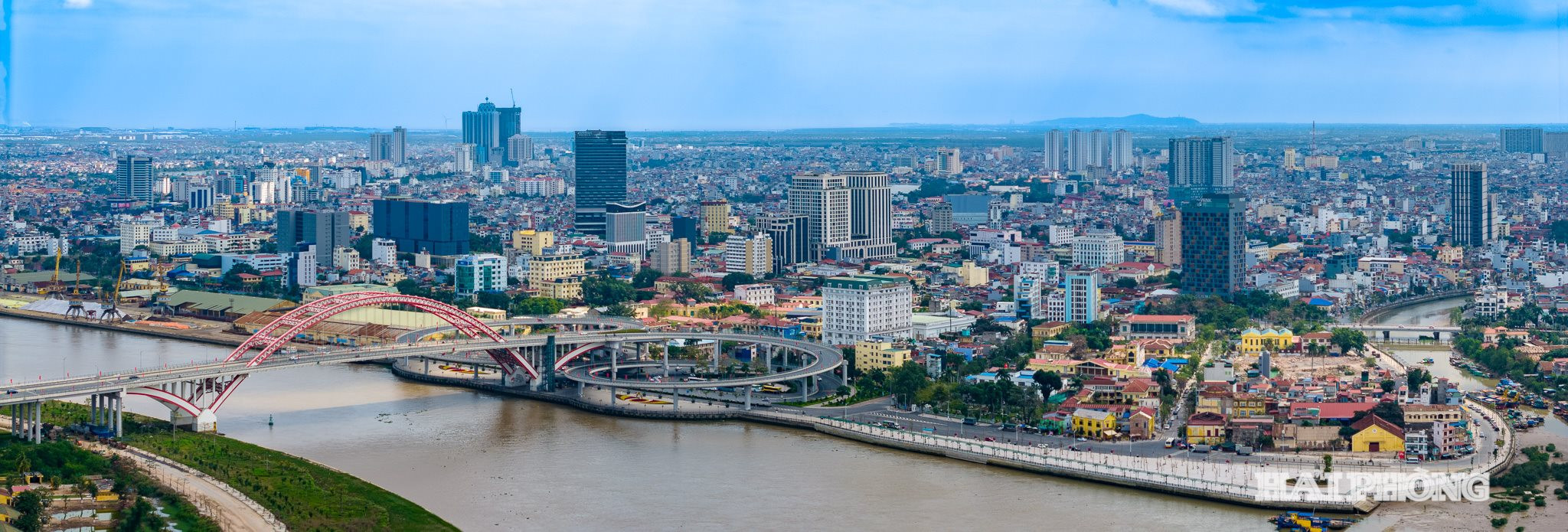
According to experts, Hai Phong needs to develop a digital supply chain map and a database of supplier capabilities, clearly identifying each company's products, technologies, equipment, quality standards and supply capacity. The data must be regularly updated, appropriately shared and used to facilitate substantive connections. This would help FDI companies identify domestic partners, while enabling local businesses to assess gaps in technology and quality and invest in upgrading. It would also allow management agencies to identify sectors lacking suppliers and develop support policies for actual needs.
In addition, a digital map showing investment accessibility across economic zones and the free trade zone should integrate data on available land, infrastructure, procedures and labor resources. With the proposed free trade zone covering approximately 6,292 hectares, this tool would enable investors to quickly assess investment conditions, identify suitable locations and connect with the local supply ecosystem.
The city also needs to integrate data systems to estimate GRDP and monthly IIP, update growth scenarios and provide early warnings of potential project delays. This would enable city leaders to identify low-growth sectors at an early stage, determine the underlying causes and adjust solutions in a timely manner.
According to Bui Xuan Tuan, Chairman of the City Electronics and Informatics Association, Hai Phong should prioritize three areas: developing a port and logistics data platform, using data to forecast economic growth, and developing supporting industry supply chains in electronics, semiconductors and shipbuilding. These areas need to be implemented in a coordinated manner, connecting data on cargo flows, production capacity and investment opportunities to accurately identify bottlenecks and improve management efficiency.
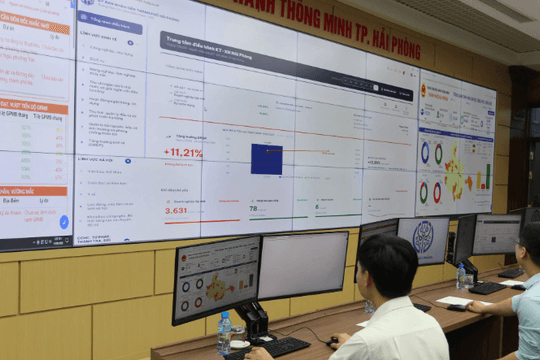
The development of the Smart Hai Phong application provides an initial foundation and basic data platform for Hai Phong to move toward becoming a smart city, with digital government, industry, businesses and citizens. This will help support the national target of double-digit economic growth and Hai Phong's goal of annual growth exceeding 13%.
THANH VAN