.jpg "Hai Phong offers incentives to attract high-quality human resources")



Gửi bình luận
Many FDI enterprises in Hai Phong have changed their approach to human resource development.
Competing through human resources
The Free Trade Zone, Specialized Economic Zone and a series of new industrial parks are opening a new development chapter for Hai Phong. While the city’s competitive advantages previously centered mainly on its geographical location, seaport and transport infrastructure, and investment incentives, high-quality human resources are now becoming a decisive factor as Hai Phong seeks to attract high-tech industries, semiconductors, artificial intelligence, smart manufacturing and research and development (R&D).
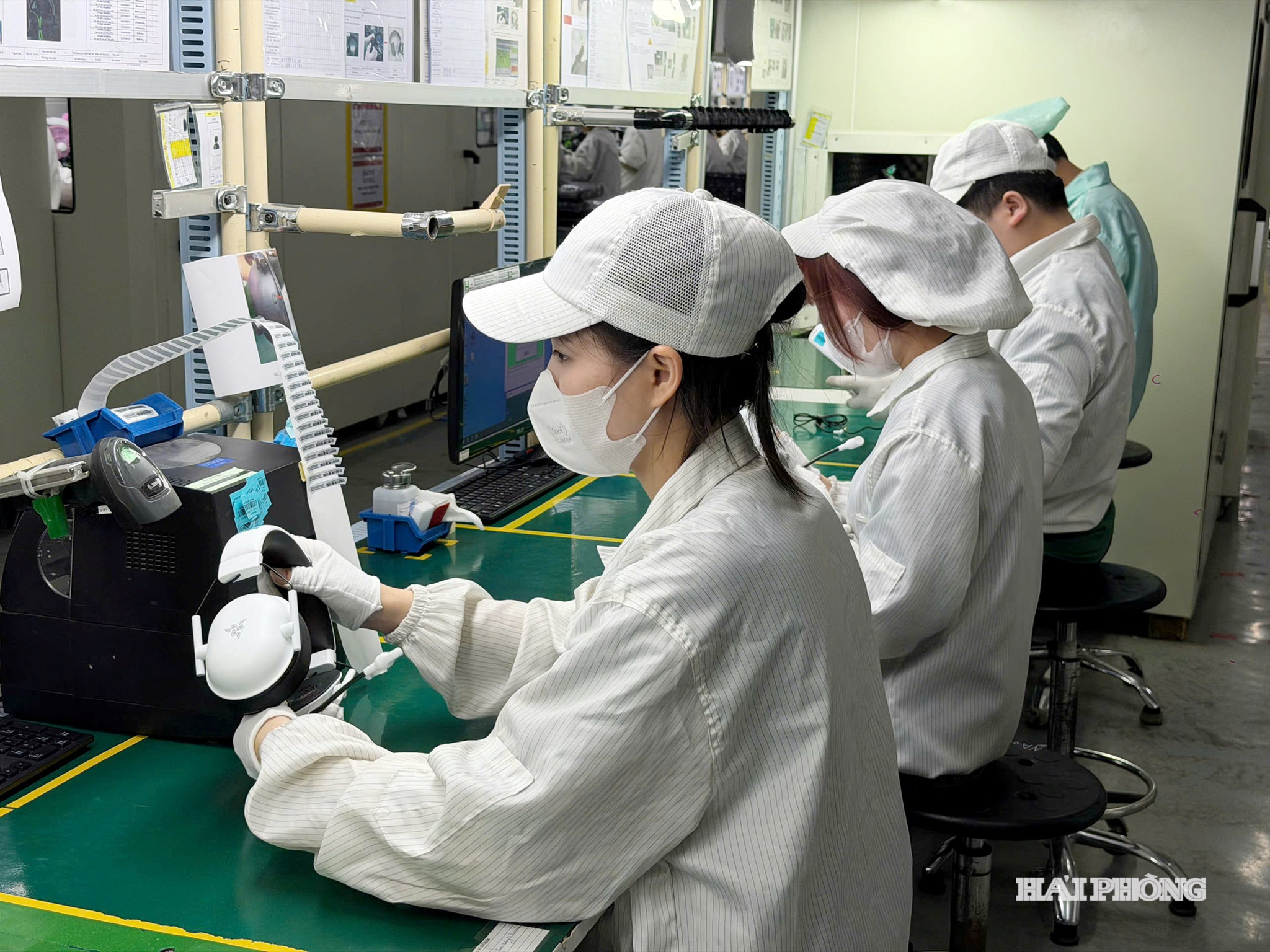
In Hai Phong, many FDI enterprises have changed their approach to human resource development. While recruitment advantages once relied primarily on income, the working environment, career development opportunities, training and corporate culture are now playing an increasingly important role in attracting talent.
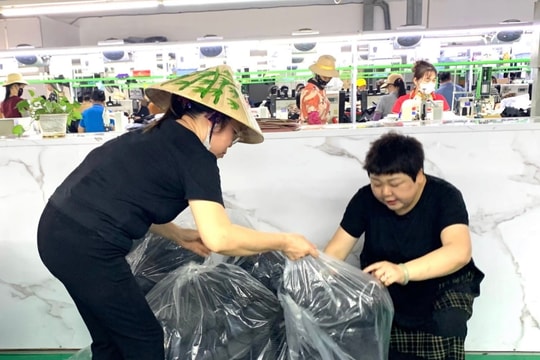
LITEON Vietnam is one example. After more than a decade of development in VSIP Hai Phong Industrial Park, the company is now employing more than 9,500 workers and continues to expand production. Alongside investment in technology, LITEON has established an in-house training system, developed a pipeline of successors, and placed greater emphasis on the working environment, employee benefits and career advancement opportunities.
These efforts have helped LITEON earn HR Asia’s “Best Companies to Work for in Asia” recognition for three consecutive years and be recognized in the “Best Workplace in Vietnam” category at The Best of Vietnam 2026. Such accolades reflect a new trend in competition among high-tech enterprises: sustainable growth requires a workplace capable of attracting and retaining high-quality human resources.
Preparing for new development phase
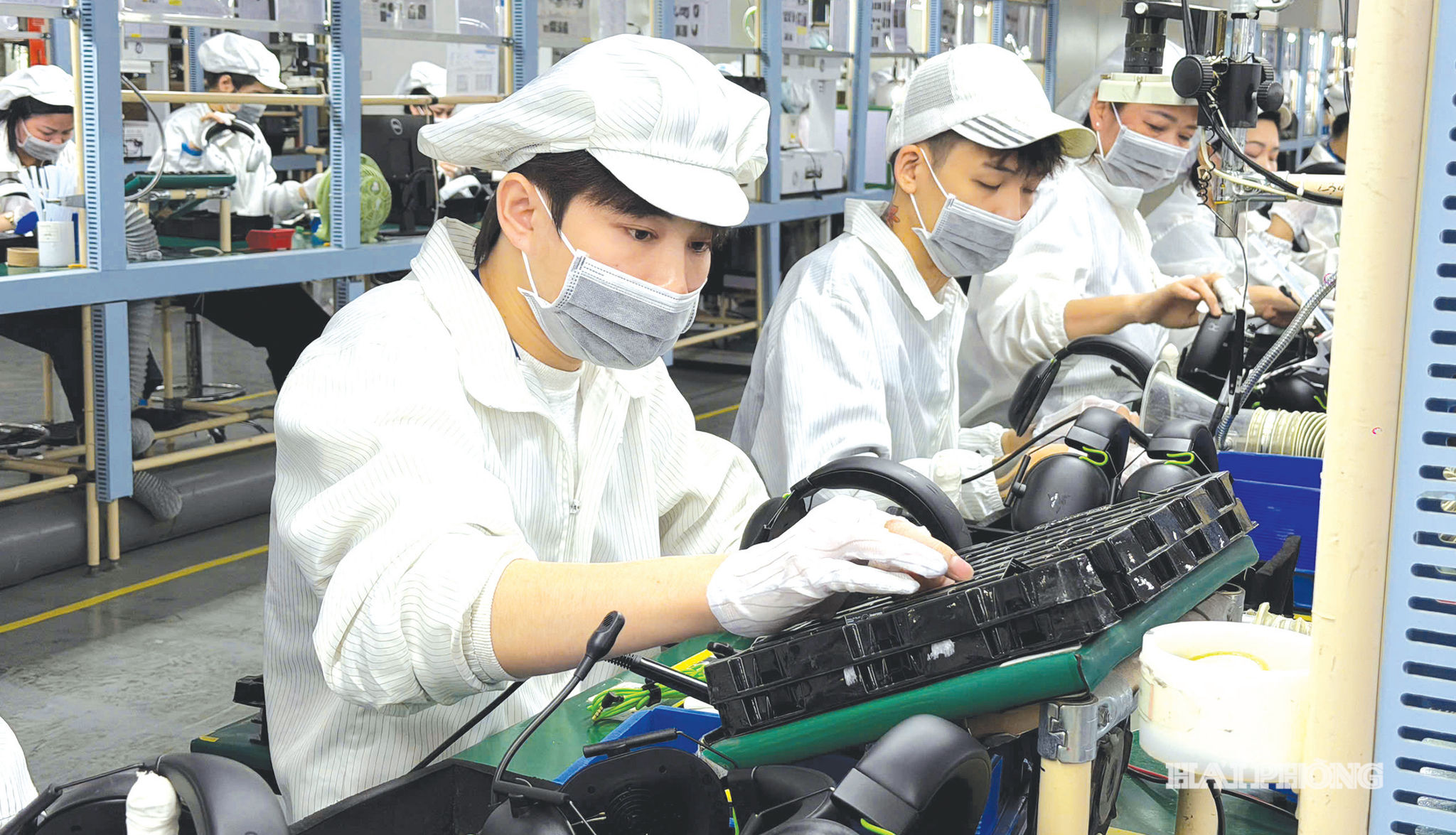
According to the Hai Phong Economic Zone Authority, industrial parks and economic zones need around 120,000 workers in 2026, including approximately 55,000 in the second half of the year alone. Meanwhile, new labor supply currently meets only about 49% of the recruitment demand. As the city targets GRDP growth of at least 13% annually, ensuring an adequate workforce is becoming a critical condition for achieving its development goals.
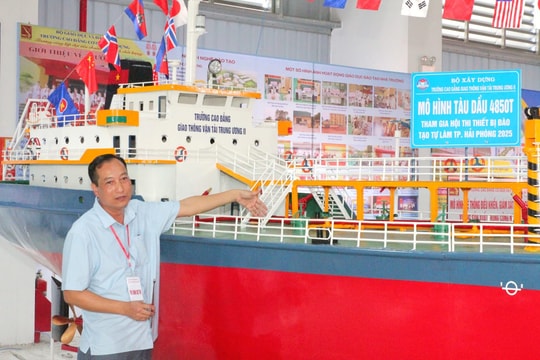
In response, Hai Phong is gradually building stronger links between educational institutions and businesses instead of focusing solely on recruitment.
A notable model is the cooperation between SHINEC JSC, developer of Nam Cau Kien Eco-industrial Park, Hai Phong University of Management and Technology, and Haitian Education. Under the agreement, the parties will work together to develop a training program aligned with the enterprise’ actual needs; organize study visits, field trips and internships at the industrial park and factory; and give recruitment priority to students who meet job requirements.
According to Pham Van Thep, Head of the Hai Phong Economic Zone Authority, future labor additions will focus on two groups: workers from other provinces and students nearing graduation. Therefore, alongside labor promotion activities in other localities, the authority will continue to strengthen connections between educational institutions and businesses and increase communication about employment opportunities and benefits.
It will also coordinate assessments of housing, transportation, school and childcare needs to advise on mechanisms and policies to attract and retain workers and encourage them to build long-term careers in industrial parks and economic zones.
LE HIEP