-6259ba7ce91edab778aade741acf5f27.jpeg "Hai Phong steps up technology partnerships to drive innovation-led growth")


Gửi bình luận
Rising to third place nationwide in the Provincial Innovation Index, Hai Phong is seeking to build on its strengths, address bottlenecks and drive deeper innovation.

Rising in rankings and affirming position
At the announcement of the 2026 Provincial Innovation Index (PII) results by the Ministry of Science and Technology in early October, Hai Phong rose to third place nationwide, marking its fourth consecutive year among the leading localities in the index.
According to Nguyen Cao Thang, Member of the Hai Phong Party Committee and Director of the Department of Science and Technology, the 2026 PII results show that the city continues to rank among Vietnam's leading localities in innovation. The results affirm Hai Phong's scientific, technological and innovation foundations and potential, while providing an important basis for building on its strengths, addressing bottlenecks and improving the quality of growth in the coming period.
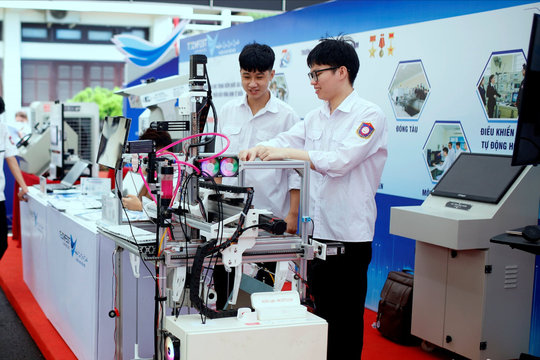
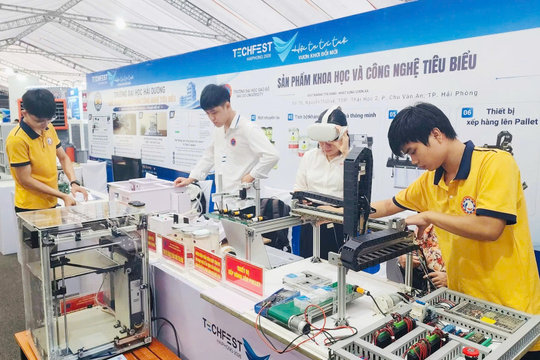
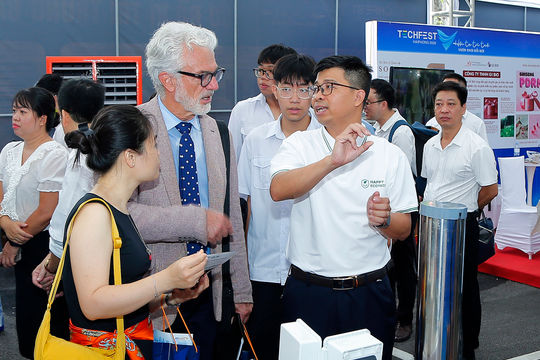
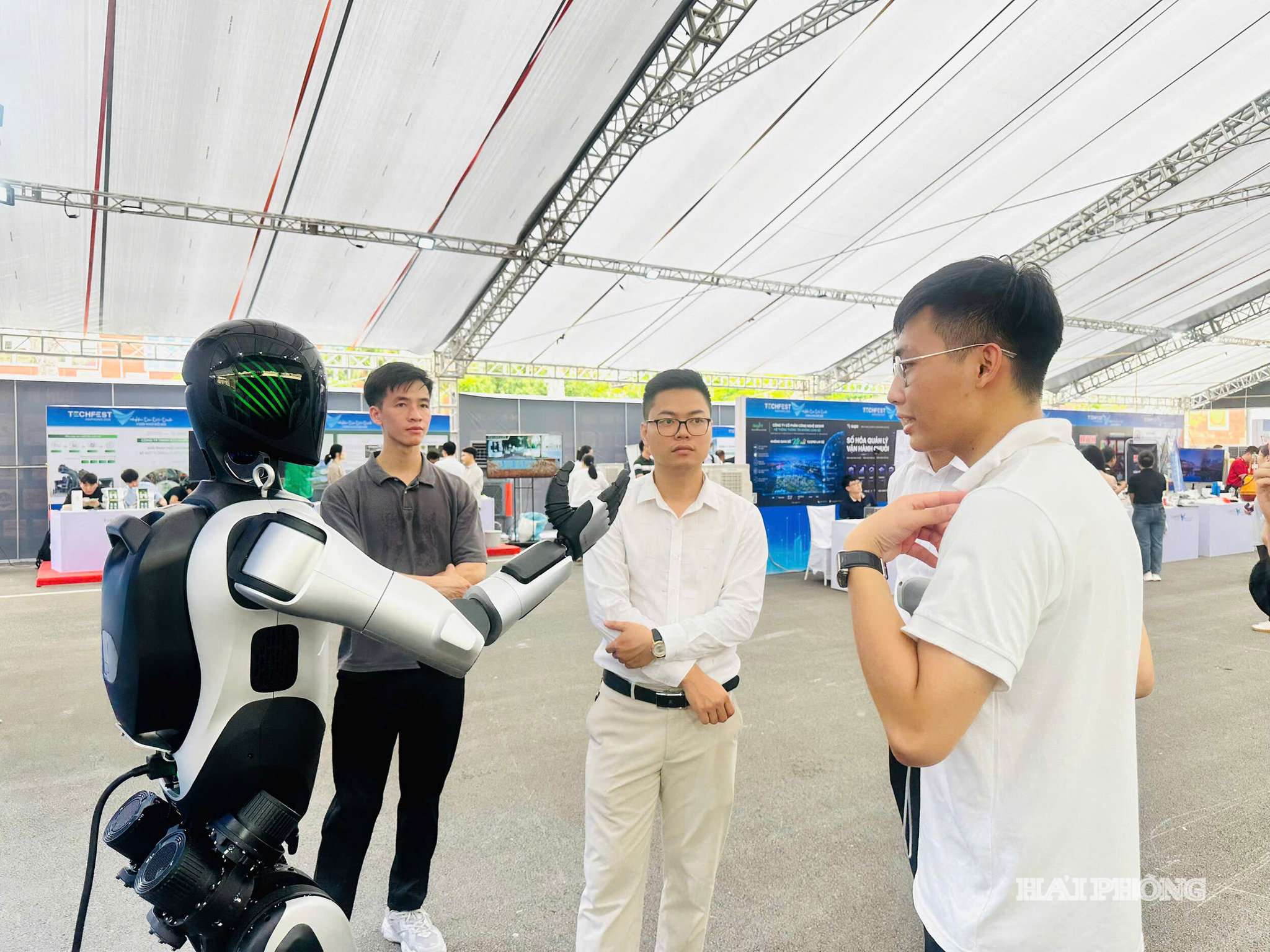
Since the beginning of 2026, the city has organized a series of activities in science and technology, innovation and digital transformation. From technology forums and investment networking to technology transfer promotion and startup support programs, Hai Phong has demonstrated strong and coordinated implementation efforts.
The appeal of Hai Phong's ecosystem in the new era also stems from its “institutional competitive advantage.” Under the National Assembly's Resolution No. 226/2025/QH15, the city is activating three major policy initiatives: tax exemptions for up to five years for businesses and individuals engaged in innovative startups, as well as experts and scientists; the operation of the Hai Phong Venture Capital Fund; and the launch of a regulatory sandbox mechanism.
Tackling bottlenecks head-on
Hai Phong's rise to third place in the PII rankings is a noteworthy achievement, but it also sets higher expectations for the city's future development. The PII ranking reflects not only existing strengths but also gaps that still need to be addressed.
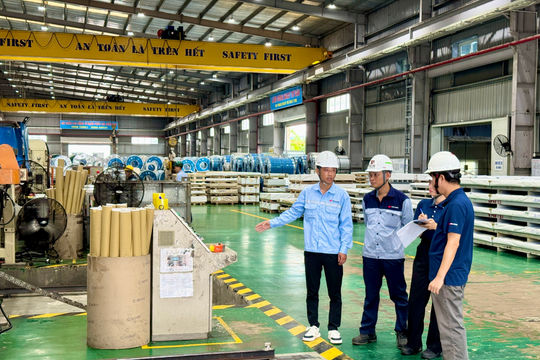
The city's average pace of technological innovation remains below expectations. The number of innovative startup projects receiving direct support is still limited. Most science and technology organizations and businesses remain small and fragmented... These are bottlenecks that must be removed if Hai Phong is to turn its institutional and market advantages into tangible innovation capacity.
At the beginning of 2026, the Department of Science and Technology organized a consultation conference to select a science and technology research task entitled “Research on the use of the PII and proposals for coordinated policy solutions to promote innovation and contribute to Hai Phong's socio-economic development.”
Hai Phong has set a target of establishing an open, regionally and internationally connected science, technology and innovation ecosystem by 2030, with businesses at its center and research linked to application, technology transfer and commercialization. The city aims to establish two to three innovation centers, maintain its PII ranking among the country's top five localities, and strive to enter the top three.
NGUYEN THAO