

Gửi bình luận
Hai Phong aims to allocate at least 60% of its budget expenditures to development investment by 2030 to achieve its economic growth targets for 2026 and the 2026 – 2030 period.
To ensure Hai Phong’s growth targets for 2026 and the 2026 – 2030 period are met, one of the key tasks identified in the city Party Committee's resolution on strengthening leadership and direction in implementing the GRDP growth target of an annual average of 13% or higher during the second half of 2026 and the 2026 – 2030 period is to restructure budget expenditures by significantly increasing the share allocated to development investment. The city aims to raise development investment spending to at least 60% of total budget expenditures by 2030 while keeping recurrent expenditures at no more than 40%.
After one year of operating under the two-tier local government model, the city's budget management has delivered positive results. In the first six months of 2026, alongside effective revenue administration, budget expenditures were managed proactively, prudently, and in compliance with regulations, ensuring thrift while meeting socio-economic development needs.
Notably, of more than VND 33.6 trillion in balanced local budget expenditures, over VND 15.7 trillion was allocated to development investment, equivalent to 42.9% of the estimates assigned by Central bodies and the city People's Council. These resources supported the groundbreaking and inauguration of numerous key projects as well as various social welfare works.
The city's investment disbursement rate remained among the highest nationwide, creating jobs, expanding infrastructure, and contributing to economic growth.
To raise the share of development investment spending to at least 60% by 2030, Hai Phong has identified the need to further reform its budget management.
First, the city will improve the efficiency of every budget item by streamlining the administrative apparatus, accelerating digital transformation, promoting thrift and waste prevention, and tightening control over expenditures beyond approved budget estimates.
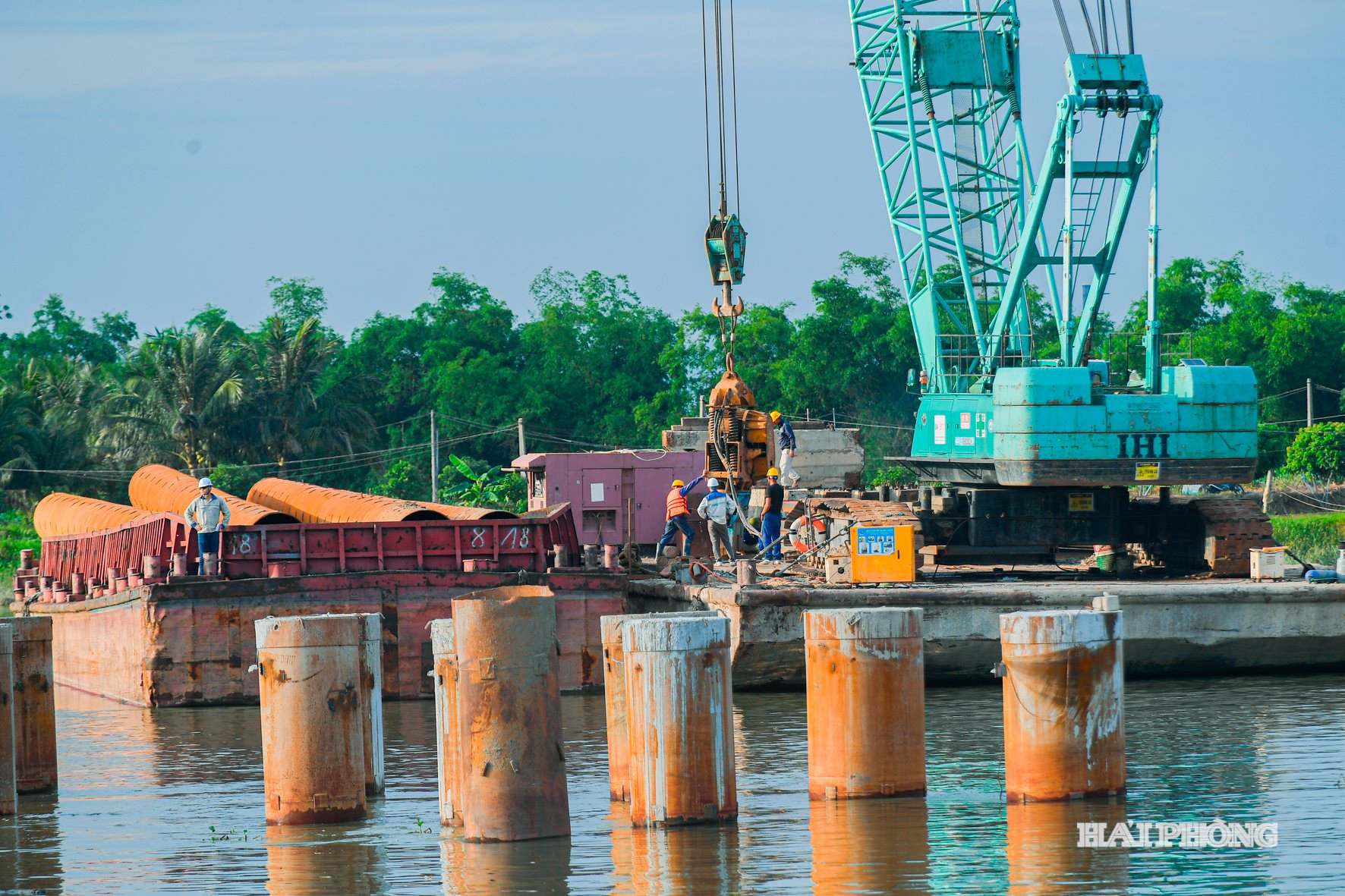
Hai Phong will continue to use public investment to leverage private investment, prioritizing budget allocations for strategic infrastructure projects that create new development space, generate spillover effects, and stimulate domestic and foreign private investment. These projects are expected to improve the investment environment and serve as a key driver of economic growth.
Achieving the city's budget restructuring target will require government agencies, sectors, local authorities, and budget-using units to further strengthen accountability in managing and administering State budget expenditures in accordance with assigned estimates while ensuring prudence, thrift, and efficiency.
For development investment expenditures, project owners and project management boards must accelerate disbursement while improving construction quality and the efficiency of capital utilization. They must also strengthen discipline in public investment management, clearly define the responsibilities of agency heads, and strictly address cases of delayed implementation or budget losses and waste.
When the budget is used effectively, the expenditure structure will shift in the intended direction, creating greater resources for development investment, supporting rapid and sustainable growth, and reinforcing Hai Phong's role as a growth pole.
NGUYEN HA