
Gửi bình luận
In response to the impacts of climate change, Hai Phong’s agricultural sector is proactively applying science and technology, restructuring production and strengthening market linkages to increase the value of agricultural products.

In 2023, Bach Dang Clean Agricultural Produce Production and Trading Cooperative in Bac An Phu Ward invested in nearly 8,700 square metres of greenhouse facilities to grow Korean grapes. However, a storm in 2024 severely damaged the entire greenhouse system.
Following the natural disaster, the cooperative restored its vineyard and changed its farming methods by using organic fertilizers and biological products made from fermented fresh fish. It also introduced automatic and semi-automatic irrigation systems to reduce costs, improve agricultural product quality and protect the environment. The cooperative has also completed the requirements for OCOP certification and developed garden tours and hands-on farming experiences.
The cooperative has partnered with a company to grow soybeans on 22 hectares for export to Japan. Ms. Ngo Thi Tam, a resident of Dai Uyen residential area in Bac An Phu Ward, said that during the first harvest, her family harvested approximately 1.5 tonnes of soybeans from six sao of land. The company purchased the crop at VND 10,000 per kilogram, generating revenue of around VND 15 million. According to Tam, soybeans are well suited to local soil conditions and offer higher returns than traditional vegetable crops.
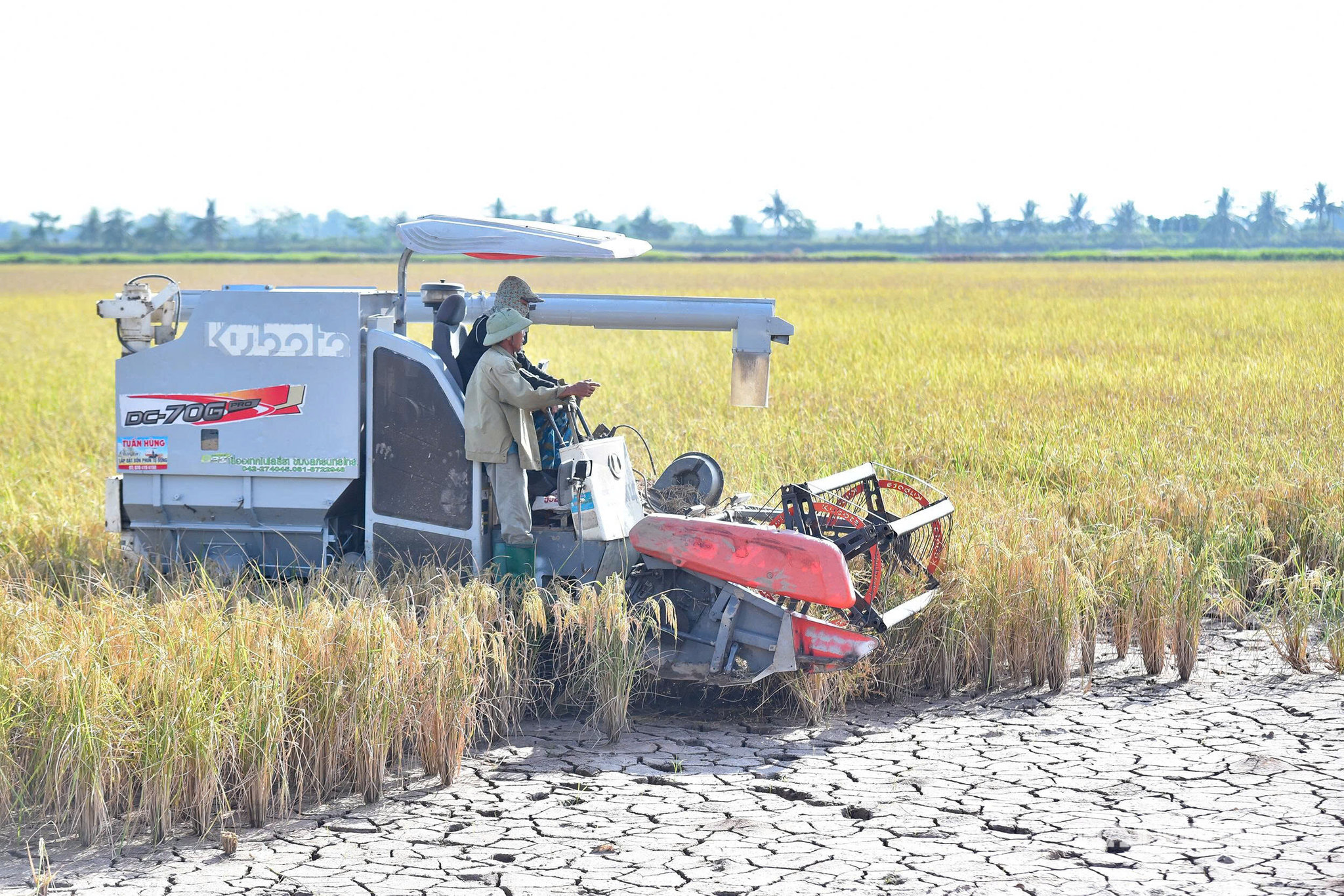
Adapting to climate change and increasingly unpredictable weather requires farmers to select suitable crops, apply appropriate farming techniques and proactively secure markets for their produce.
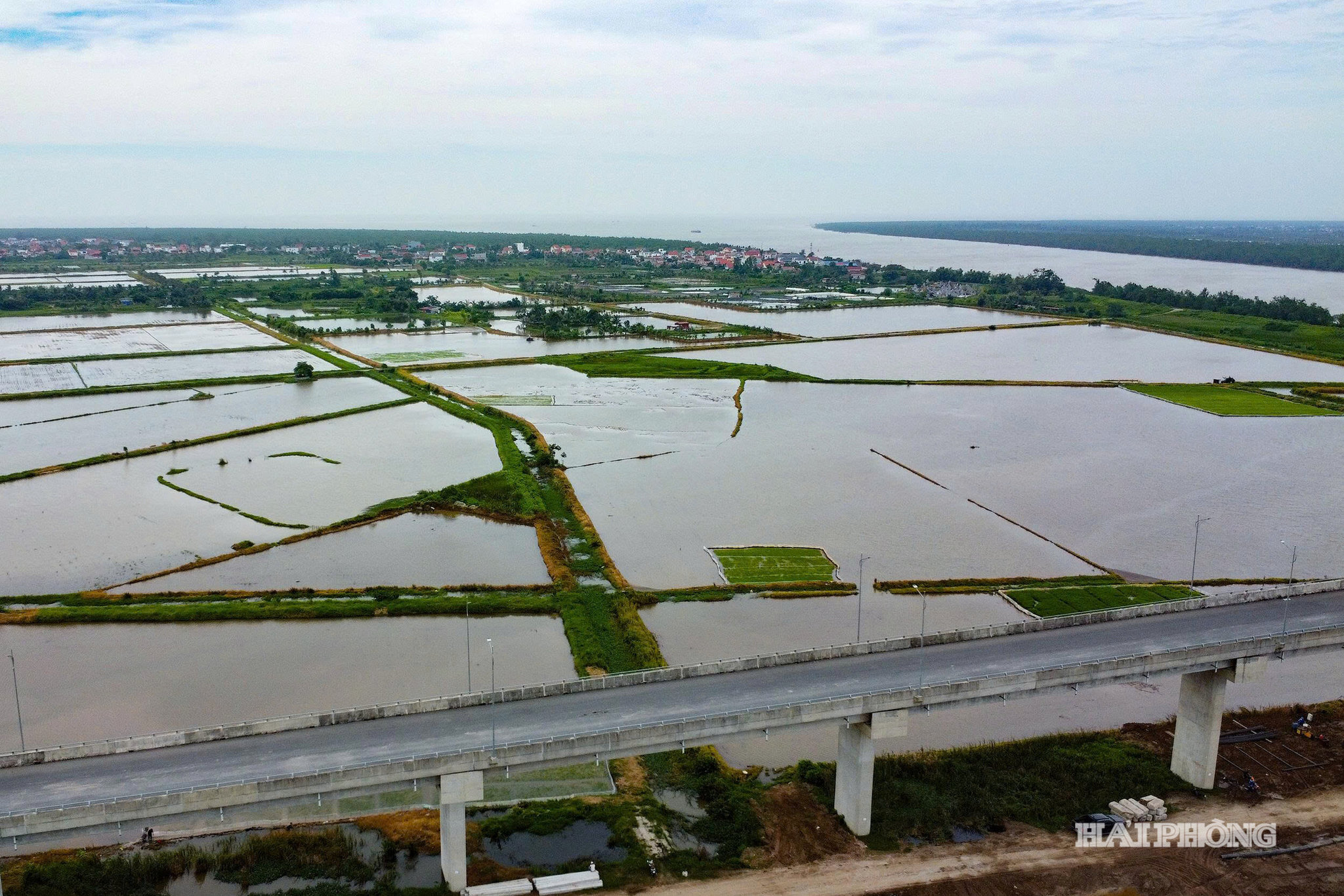
In response to recurring saltwater intrusion, Nghi Duong Commune has coordinated with Da Do Irrigation Works Exploitation One-Member Limited Liability Company to regulate water supplies and review the irrigation system. The commune has also encouraged residents to partner with businesses and cooperatives to organize production and secure outlets for agricultural products.
To date, the commune has maintained 28 farmland consolidation models covering a total area of more than 278 hectares, bringing three hectares of land that had been abandoned for years back into production. Notable examples include the ruoi (ragworm) farming model operated by Kien Quoc Agricultural Cooperative and the farmland consolidation model developed by Ms. Pham Thi Dung in Xuan Chieng Village. These models emphasize market linkages, helping ensure stable outlets for agricultural products.
According to Mr. Dao Van Tuan, Standing Vice Chairman of the Nghi Duong Commune People's Committee, the locality is selecting production models suited to the conditions of each area, including integrated aquaculture and rice cultivation, safe vegetable production and organic farming. Any conversion must take into account soil conditions, land-use planning, and water supply and drainage capacity to avoid spontaneous investments that could entail risks.
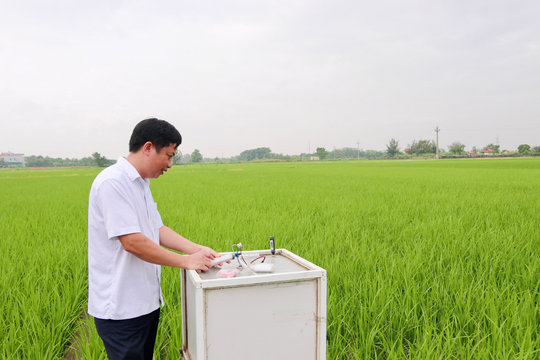
During the 2026 summer-autumn crop season, the Hai Phong Sub-Department of Crop Production and Plant Protection implemented three models promoting the proper and efficient use of fertilizers to reduce emissions, covering a total area of 17 hectares in Hong Chau and Tan An communes.
The models combine appropriate planting methods, balanced fertilizer application and mechanization, initially delivering higher yields than control plots. In Tan An Commune, a model using the VNR20 rice variety, machine-assisted direct seeding and fertilizer placement achieved a yield of 244 kilograms per sao, compared with 232 kilograms per sao in control plots. Profits were nearly three times higher, while production costs fell by VND 320,000 per sao.
Ms. Luong Thi Kiem, Deputy Director of the Department of Agriculture and Environment, said that low-emission farming areas could reduce greenhouse gas emissions by 50–70%, including methane. As Vietnam participates in the carbon credit market, this could provide farmers with an additional source of income to reinvest in agricultural production.
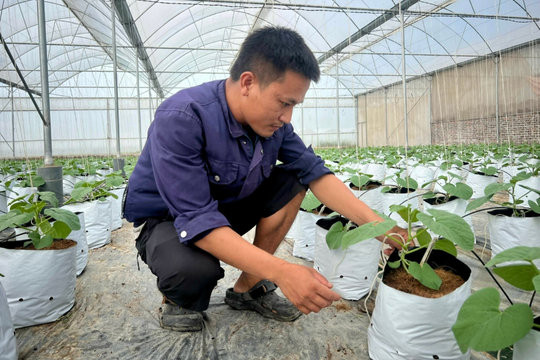
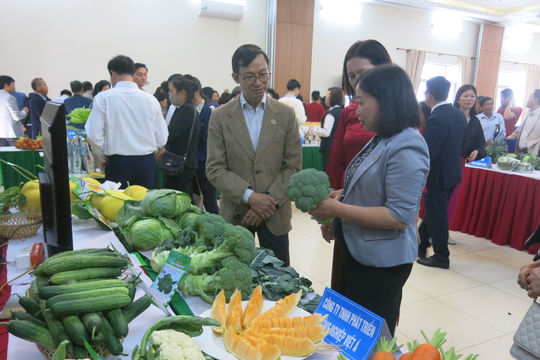
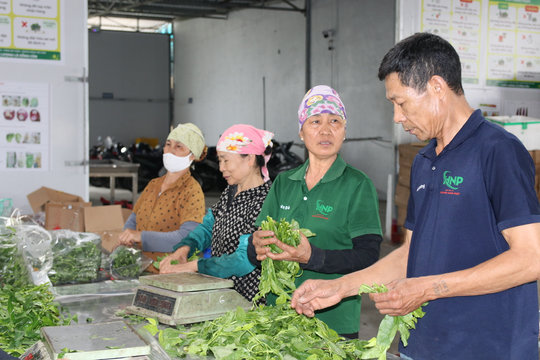
However, adapting to climate change must go hand in hand with organizing production and marketing along the value chain. At Tien Phat Green Agriculture Cooperative in Vinh Bao Commune, five of its 10 hectares of farmland have been equipped with greenhouses, net houses, drip irrigation systems, mist cooling and automated sensors. By controlling growing conditions, the cooperative produces approximately 300 tonnes of vegetables and fruit annually, generating revenue of more than VND 7 billion.
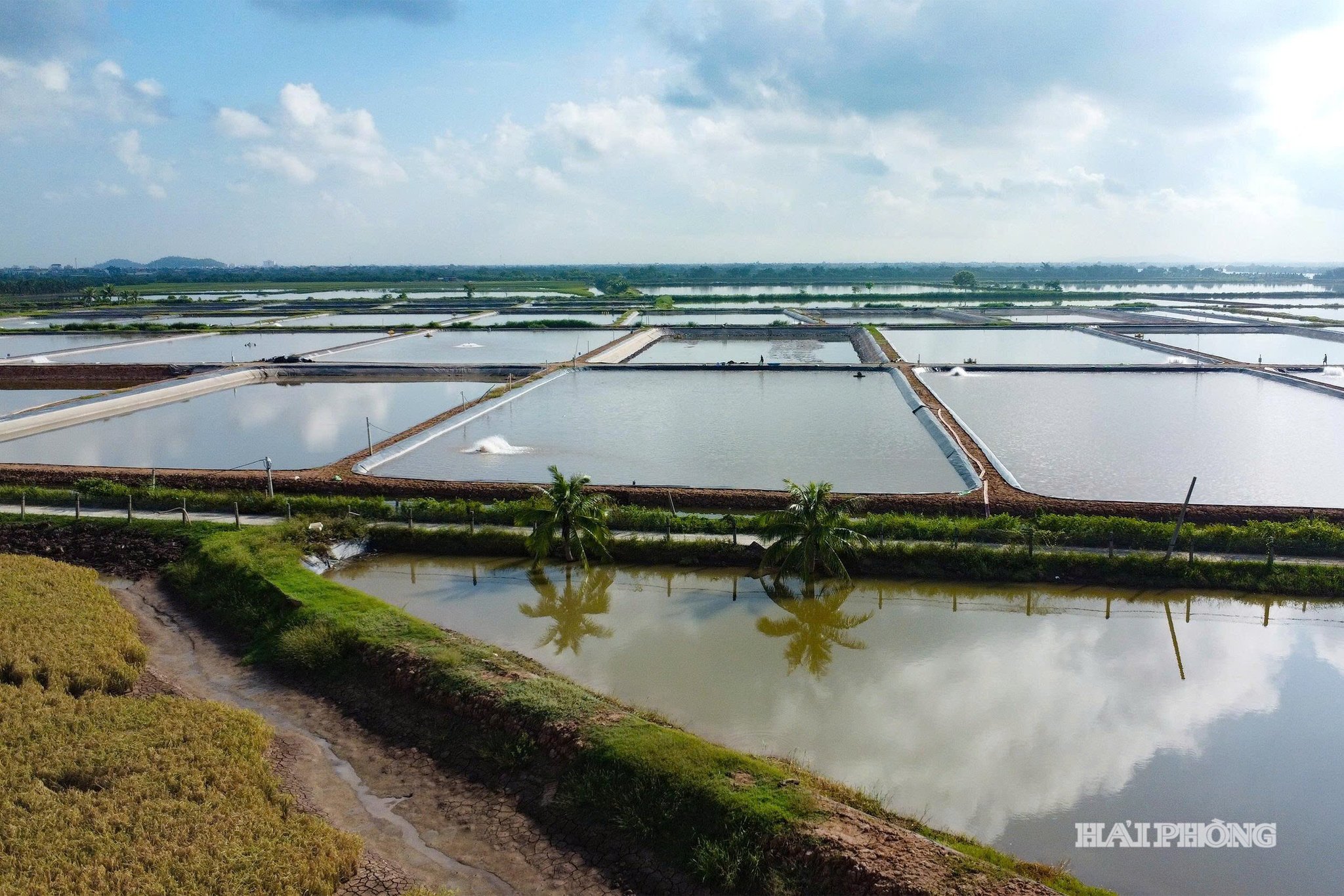
According to Mr. Dang Van Phuong, director of the cooperative, the application of technology helps reduce costs while improving agricultural productivity and product quality. The cooperative focuses on preservation and processing, expanding its network of partners and markets, and gradually reducing its dependence on intermediaries to increase product value.
This approach aligns with Resolution No. 07 issued by the Standing Board of the Hai Phong Party Committee on transforming agricultural production towards large-scale commercial farming for the 2026–2030 period, with a vision to 2045. The city is coordinating production-area planning, upgrading irrigation systems, transferring technical advances and strengthening the capacity of cooperatives and businesses to organize value chains.
Alongside restructuring production, the green transition has been identified as a key solution to reducing emissions, using resources efficiently and limiting pollution. The city is implementing a low-emission rice production model covering 1,000 hectares, trialling rice varieties adapted to climate change, and supporting the adoption of VietGAP and GlobalGAP standards.
The application of biogas and biomass technologies to treat livestock waste, the utilization of agricultural by-products and the gradual elimination of rice straw burning are also helping reduce environmental pollution and combat climate change.
The total funding earmarked for the green transition in agriculture during 2026–2030 is estimated at VND 407.5 billion. Of this, VND 300 billion will be allocated to the treatment of livestock waste and agricultural by-products, while VND 100 billion will support low-emission labelling, agricultural digitalization, branding for low-emission agricultural products, and the implementation of emissions measurement, reporting and verification (MRV) procedures through December 2030.
Thanh Van