
Gửi bình luận
Hai Phong is striving to build sustainable green agriculture to unlock its potential, keep pace with emerging trends and adapt to climate change.
An inevitable trend
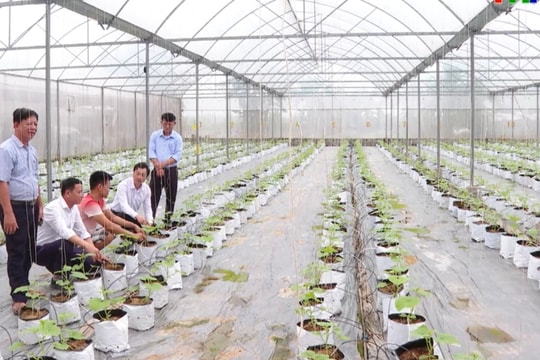
Tien Phat Green Agriculture Cooperative in Vinh Bao Commune is a typical model of Hai Phong's green, modern production approach. With the idea of developing a high-tech agricultural area with diverse products combined with experiential tourism, the cooperative has persistently pursued green, clean and safe farming methods for more than five years.
The cooperative now has 10 hectares under production, including 5 hectares of lotus cultivation, while the remaining area consists of greenhouses for growing melons, chili peppers, cucumbers and several other high-quality vegetables.
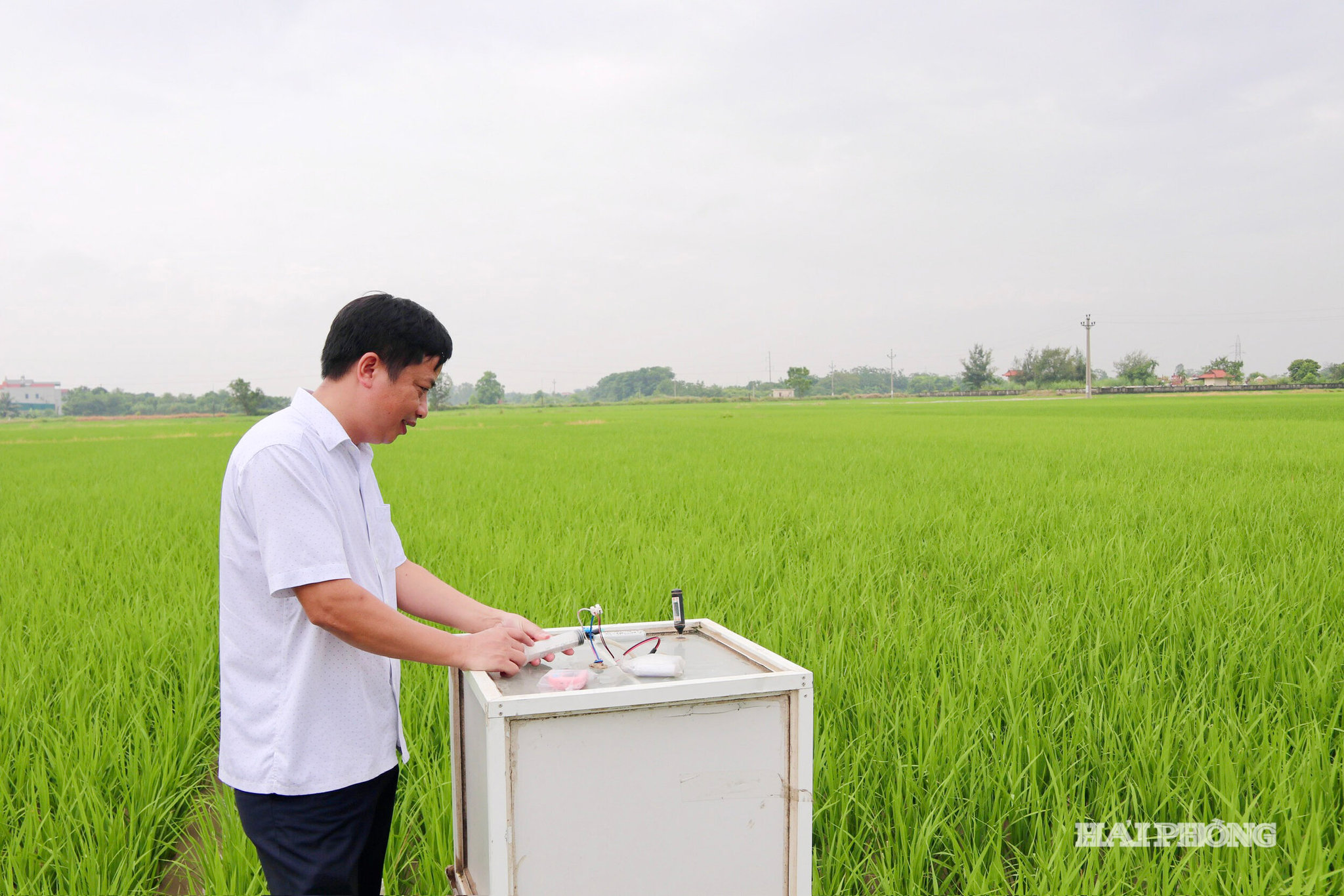
The cooperative considers technology the foundation for developing green production, so it has invested in an automated drip irrigation system and temperature sensors to adjust farming techniques accordingly.
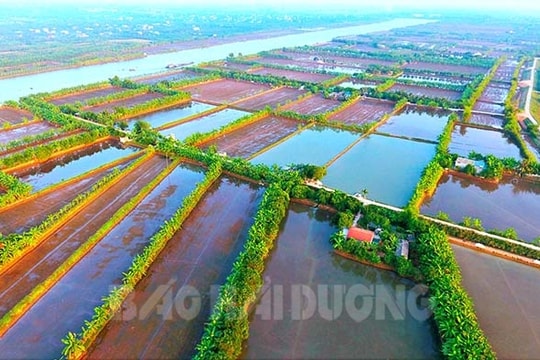
Xuyen Viet Aquaculture Cooperative in Gia Phuc Commune is also a typical model of high-tech application in production in Hai Phong. Its products are sold not only domestically but also exported to demanding markets such as the US and Japan.
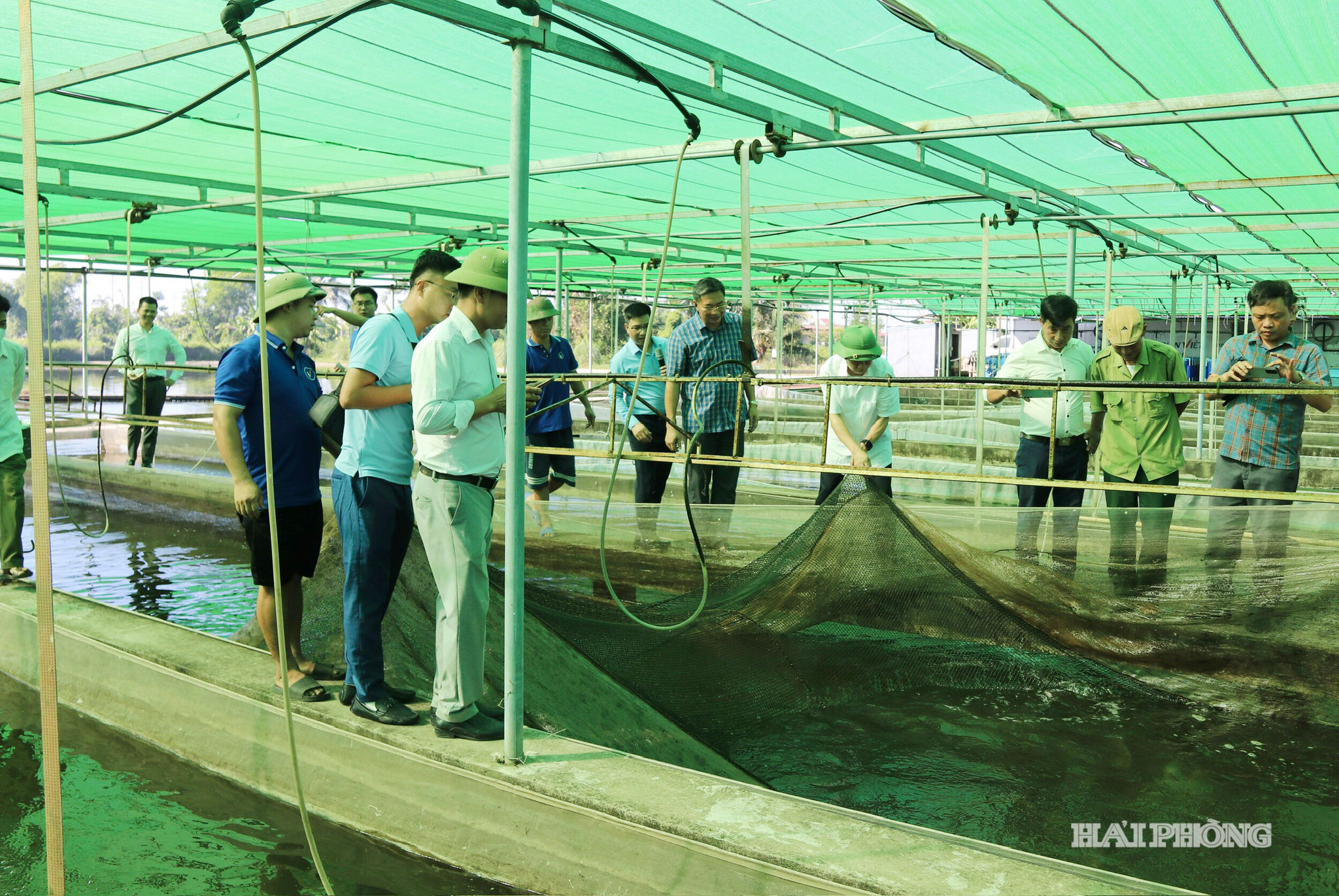
According to Le Van Viet, Director of the cooperative, modern agriculture needs to focus on quality and depth rather than spread-out investment. Therefore, making effective use of technology will help reduce production costs, limit negative impacts on the environment and improve economic efficiency.
Seizing this trend, many organizations and individuals have proactively adopted and mastered technology to develop green agricultural production. This is also an inevitable direction amid increasingly evident climate change, while the market is placing higher and higher demands on quality, food safety and environmental protection.
Creating sustainable value
Hai Phong has long been known as one of the major agricultural production areas in northern Vietnam, with diverse and abundant products, including many products with competitive advantages and distinctive characteristics. The city has typical models in crop cultivation, livestock farming and aquaculture that generate high economic efficiency.
Hai Phong has nearly 80,000 hectares of rice-growing land, more than 35,000 hectares of various vegetables and 27,890 hectares of fruit trees. Among these, aquaculture is a prominent sector of the city, with more than 24,000 hectares and annual output of over 200,000 tons. Livestock farming also plays an important role, accounting for nearly 30% of the city's agricultural production value.
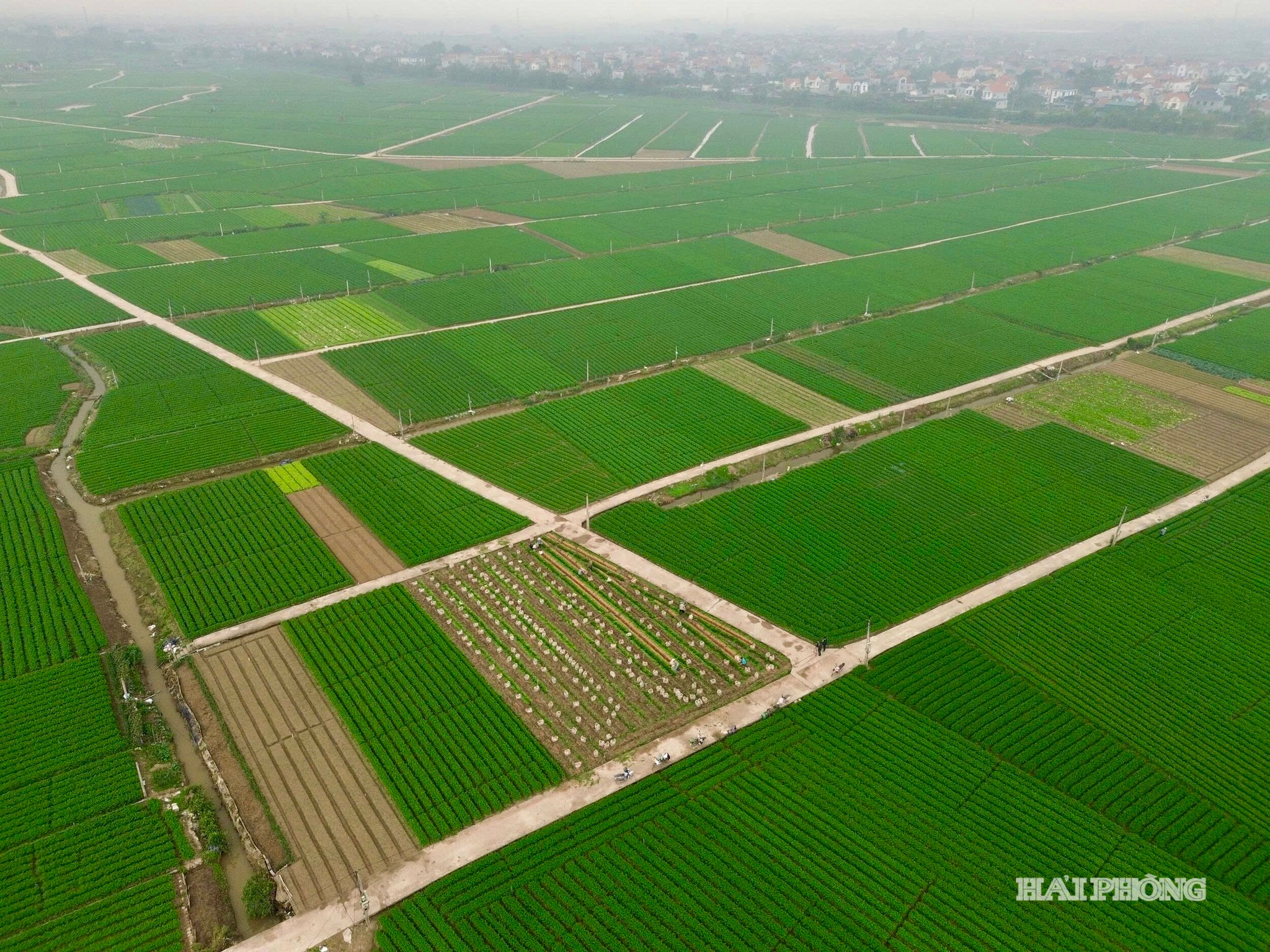
In Hai Phong, an increasing number of agricultural models are applying high technology and producing safe products in accordance with standards such as VietGAP and GlobalGAP. Recently, the promotion of low-emission rice cultivation has provided clear evidence of the city's determination to build green agriculture.
Luong Thi Kiem, Deputy Director of the City Department of Agriculture and Environment, affirmed that green production will orient and lead agricultural development toward a responsible approach for the benefit of people. This will help both producers and consumers raise their awareness and responsibility in utilizing, preserving and protecting production conditions and environment.
To achieve this goal, Hai Phong has introduced mechanisms and policies to provide support and encourage organizations and individuals to develop green agriculture. The city expects that green production will not only remain at the level of specific models but also be increasingly replicated, helping change awareness and action and thereby building a green and sustainable agricultural sector.
NGUYEN MO