





Gửi bình luận
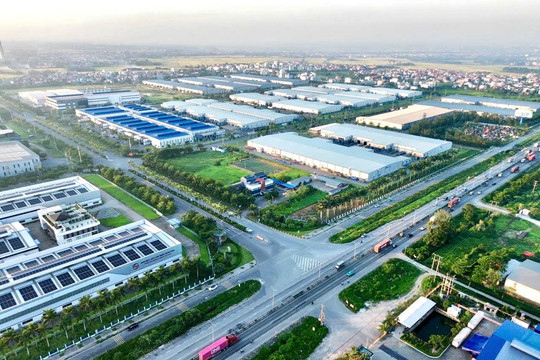
Hai Phong’s extensive river network, strong interregional connectivity and growing demand for freight transport offer significant potential for developing inland waterway transport.
Major advantages
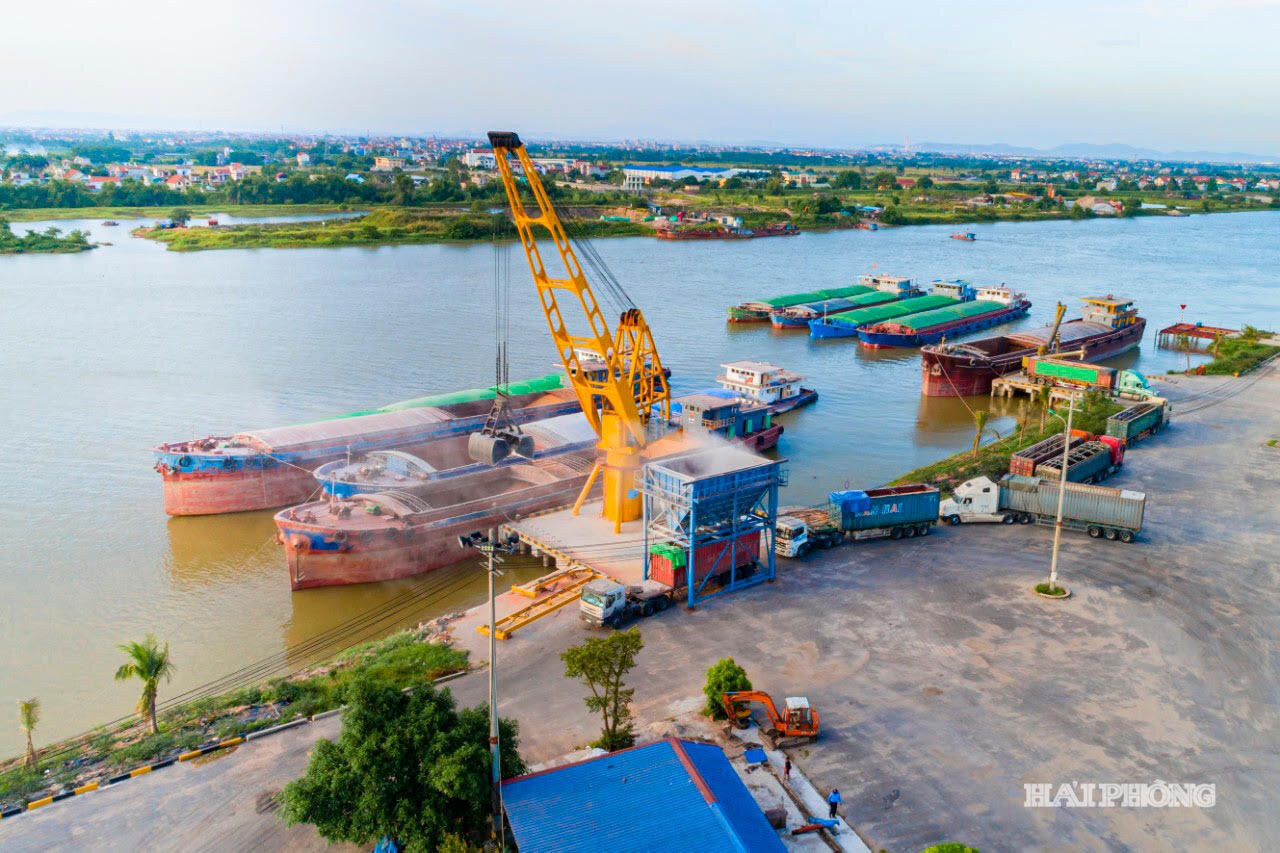
Hai Phong has an inland waterway network stretching nearly 2,700 kilometers, with a system of ports and wharves distributed along the Cam, Van Uc, Luoc and Kinh Thay rivers, among others. This network provides favorable conditions for connecting production areas with consumer markets, industrial parks and the seaport system.
Many rivers offer favorable natural conditions for transport. Navigational aids along the waterways are largely in place, while river corridors are being fully marked for management purposes. These conditions are important for organizing large-volume freight transport and expanding connectivity between localities within the city and provinces and cities across the northern key economic region.
Meanwhile, rising freight demand is increasing the need to strengthen capacity throughout the logistics system. Under the detailed plan for the development of Hai Phong’s seaport land and water areas for the 2021–2030 period, with a vision to 2050, cargo throughput at the city’s seaports is projected to reach 175.4–215.5 million tonnes by 2030, including 12.15–14.92 million TEUs of container cargo.
Removing infrastructure bottlenecks
The city’s strategic direction for inland waterway transport development is set out in the political report presented at the Hai Phong City Party Congress for the 2025–2030 tenure. Under this plan, Hai Phong aims to upgrade interregional inland waterway corridors, modernize inland waterway ports along multiple river routes, and develop logistics services integrated with multimodal transport.
Priority will be given to improving waterway transport corridors linking Hai Phong and Quang Ninh with Ha Noi, Phu Tho, Hung Yen and Ninh Binh, enhancing freight capacity, particularly for container cargo.
The city also plans to upgrade inland waterway ports along the Da Bach, Cam, Kinh Mon, Van Uc, Lach Tray, Thai Binh, Kinh Thay, Mao Khe, Song Han, Luoc and Red rivers. In addition, coastal waterway routes will be developed to connect Do Son, Cat Ba, Ha Long Bay and major river mouths across the region.
In Khuc Thua Du Commune, the Ninh Giang inland waterway port project, invested in by Vietnam Maritime Corporation, covers more than 27 hectares, with an estimated total investment of over VND 1.496 trillion and a designed annual cargo-handling capacity of approximately 3 million tonnes. The project is planned as a modern port complex incorporating berths, storage yards, logistics support facilities and synchronized technical infrastructure.
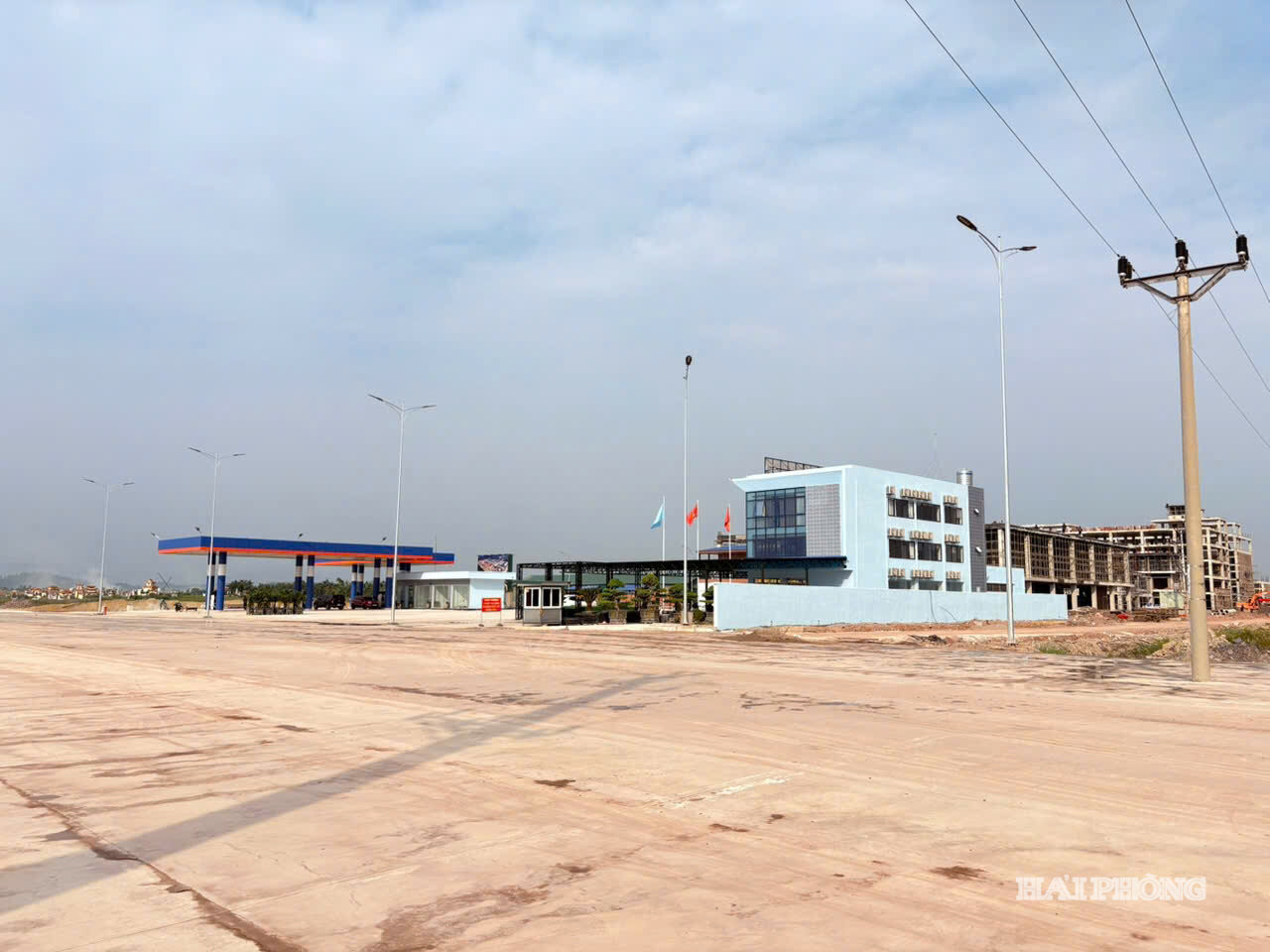
In Nguyen Dai Nang Ward, the Logistics service center, fuel and cargo port, petroleum storage and commercial services Project, invested in by Duc Duong Limited Company, covers 37.17 hectares and has a total investment of nearly VND 2 trillion. It is expected to be completed in the fourth quarter of 2027.
These two large-scale port projects are expected to add important links to Hai Phong’s logistics network. More efficient inland waterway transport will help ease pressure on roads, strengthen logistics capacity, promote regional connectivity and create greater space for the city’s economic development.
Hai Phong News