
Gửi bình luận
Hai Phong is focusing on resolving difficulties facing the transport and warehousing industries to unlock growth potential in the services sector and ensure the fulfillment of its 2026 GRDP target.
Significant room for growth
To achieve its annual growth target of 13%, Hai Phong’s economy must expand by approximately 14.81% in the third quarter of 2026 and 14.20% in the fourth quarter. Average growth in the last six months of the year must reach about 14.49%, including industrial growth of approximately 17.57%. This places considerable pressure on industrial production.
In the first half of the year, the services sector grew by 10.24% and contributed 3.58 percentage points to the city’s GRDP. However, its growth was 0.6 percentage points below the target scenario, equivalent to a shortfall of approximately VND940 billion.
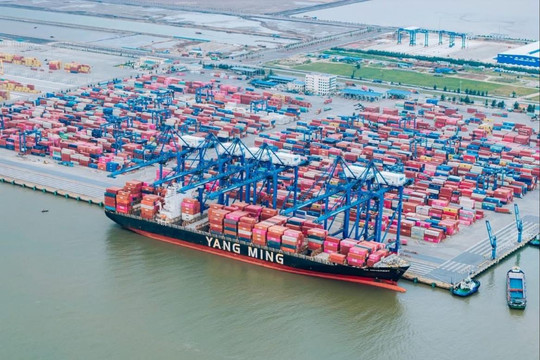
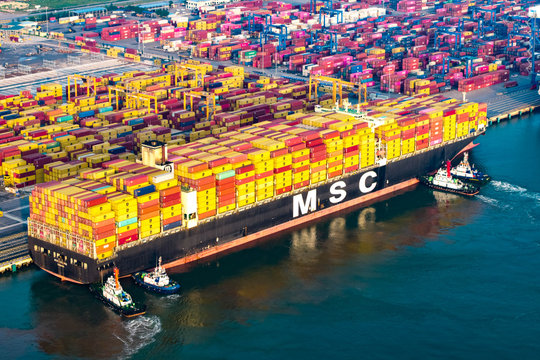
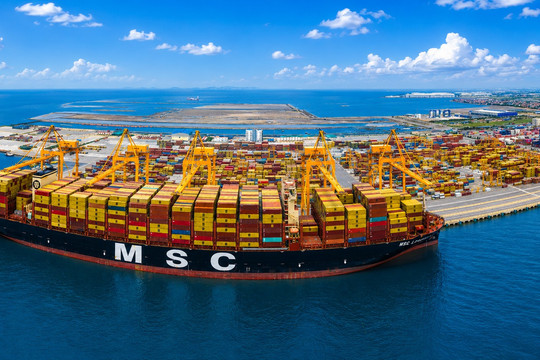
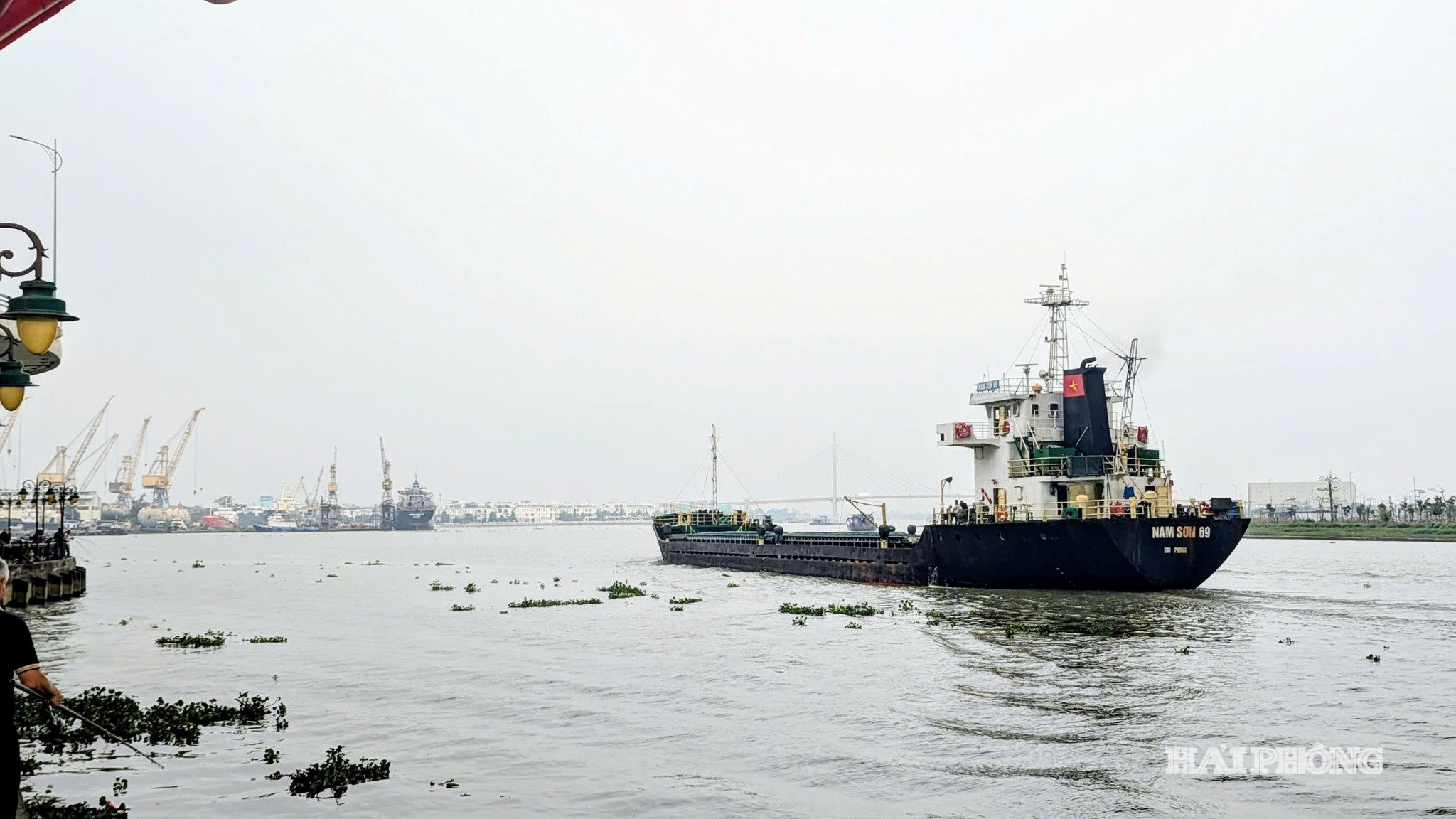
Transport, warehousing and logistics, the largest subsector within the services sector, generated approximately VND100.216 trillion in revenue, up 18.1% year on year, but reaching only 47.3% of the annual plan. In the second quarter alone, revenue stood at approximately VND51.485 trillion, up 20.4% but still below the set target.
Transport and warehousing were not the only sectors falling short of the growth scenario. Statistics showed that nine other services subsectors also failed to meet their targets, including accommodation and food services; information and communications; administrative and support services; arts, entertainment and recreation; and professional, scientific and technical activities.
Removing bottlenecks
Under the growth scenario, the services sector must expand by approximately 11.88% in the final six months of the year to achieve annual GRDP growth of 13%. This target is attainable if the bottlenecks hindering the development of key services subsectors are promptly addressed.
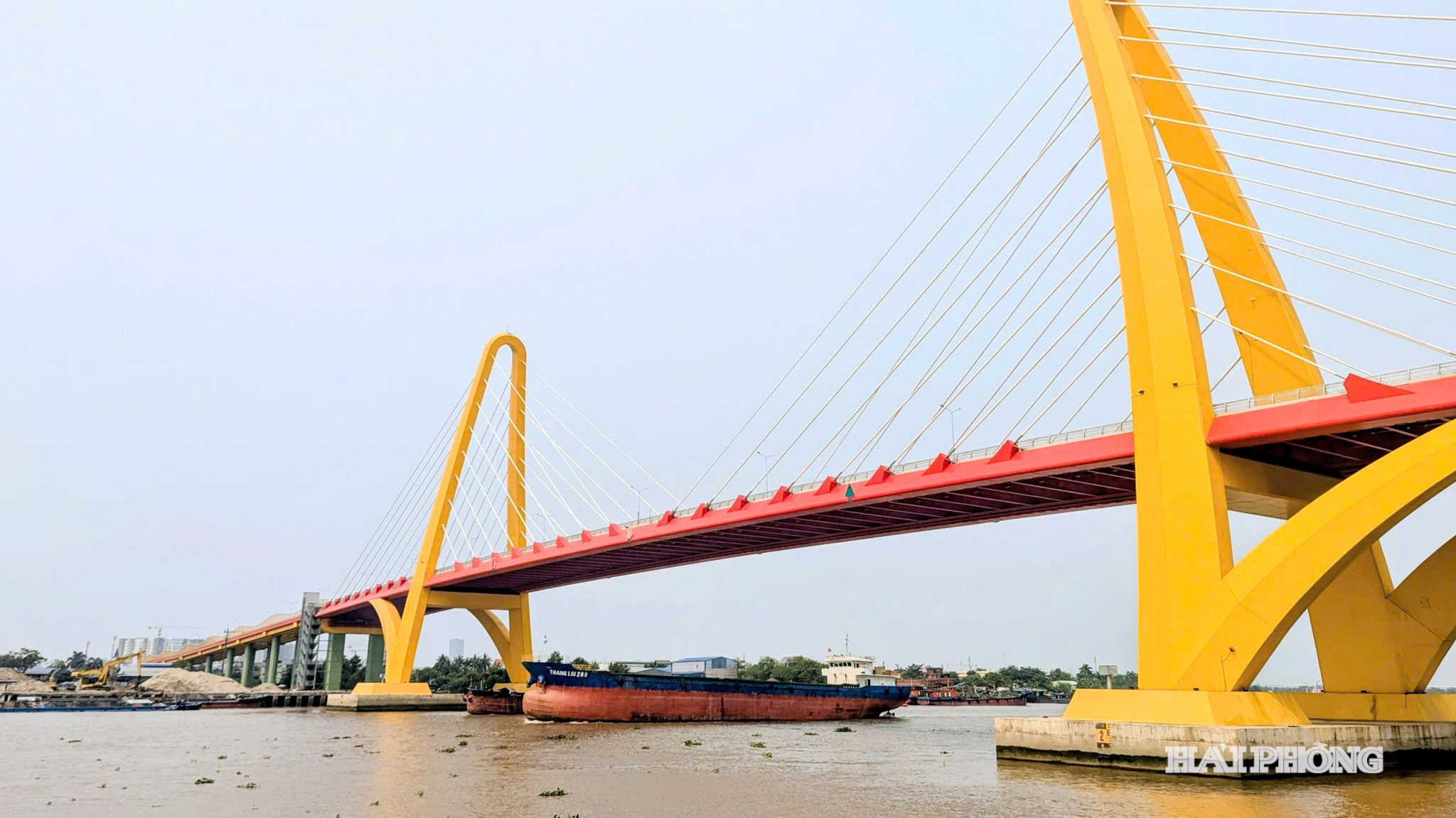
In fact, the services sector, including transport and warehousing, still faces a number of challenges despite its potential. These include high input and international transport costs, as well as inadequate connectivity between seaports, industrial parks and distribution networks. In addition, the uneven recovery in market purchasing power has slowed growth in several services subsectors, including accommodation, food services, entertainment and recreation.
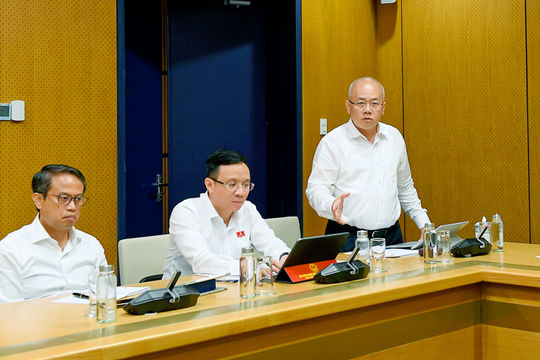
One of the key groups of tasks identified in Resolution No. 11-NQ/TU on ‘Strengthening leadership, direction and administration in implementing the target of GRDP growth in the final six months of 2026 and an average annual growth rate of at least 13% during 2026-2030’ is to focus on leading, directing and managing services subsectors that have yet to meet growth scenarios.
Besides, the city continues implementing consumer stimulus programs and boosting total retail sales of goods. It will develop the night-time economy, specialized commercial streets and pedestrian streets linked to trade and tourism, while strengthening supply-demand connections and supporting the distribution of OCOP products, agricultural goods and typical rural industrial products through modern distribution networks and e-commerce.
The city will also closely monitor import-export developments and assess the impact of international markets and trade policies to provide timely support for businesses, striving to achieve its 2026 export turnover target of USD52 billion.
Although industry remains the city’s primary growth driver, the services sector has substantial potential to generate additional value for the economy. Removing bottlenecks and capitalizing on the sector’s advantages will not only help Hai Phong achieve its target of at least 13% GRDP growth in 2026, but also lay the foundation for restructuring the city’s economy in a modern and sustainable direction, in line with its role as the country’s marine economic hub and international trade gateway.
Hai Phong News