.jpg "Hai Phong industrial parks seek more than 36,000 workers")
.jpg "Unlocking momentum from Industrial Parks and Economic Zones")
.jpg "Industrial parks and economic zones attract over USD 46 billion in FDI")

Gửi bình luận
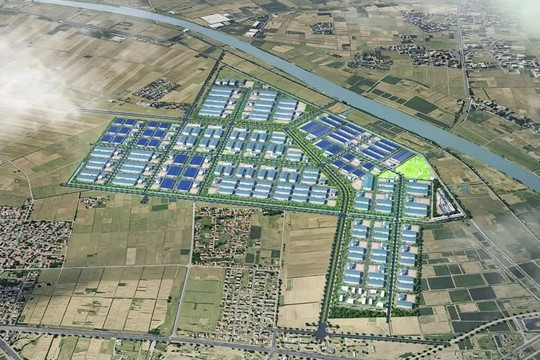
Hai Phong needs to unlock investment for synchronous, modern and green industrial park infrastructure to meet the needs of large-scale, high-tech projects.
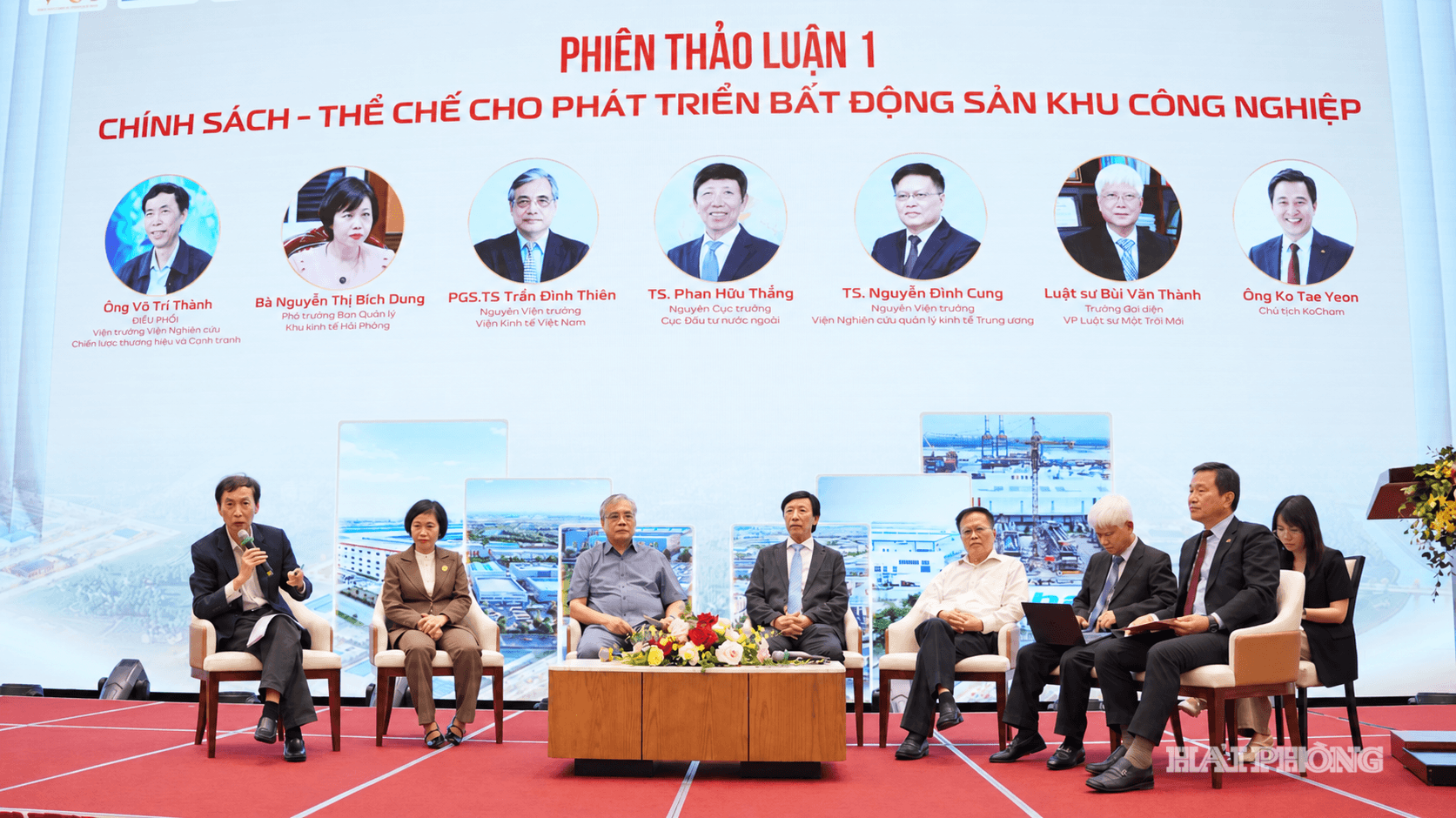
VietnamFinance Magazine and the Vietnam Association of Financial Consultants, in coordination with the Hai Phong Economic Zone Authority, held a seminar titled “Unlocking industrial real estate finance: Catching the investment wave in a new era of growth” on September 29.
The event was attended by representatives of regulatory agencies, economic experts, financial institutions, investors and industrial park infrastructure developers.
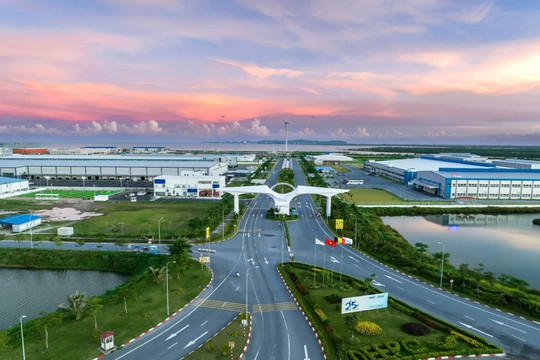
Hai Phong is rapidly developing its system of economic zones and industrial parks, aiming to enhance its industrial and logistics capacity and attract projects with high added value. Industrial parks are required not only to have available land but also synchronous, modern and green infrastructure capable of meeting the needs of large-scale, high-tech projects. Funding is one of the key factors in developing such infrastructure.
According to Nguyen Thi Bich Dung, Deputy Head of the Hai Phong Economic Zone Authority, industrial park infrastructure projects typically require large amounts of capital and have long payback periods. Therefore, the challenge is not only to mobilize more capital but also to channel capital into the right projects at the right time and at reasonable costs. Effective connections are needed among policies, financial institutions, businesses and projects to mobilize domestic and foreign resources. Unlocking funding for industrial park infrastructure will also enhance the capacity to attract investment in production, business activities and new supply chains.
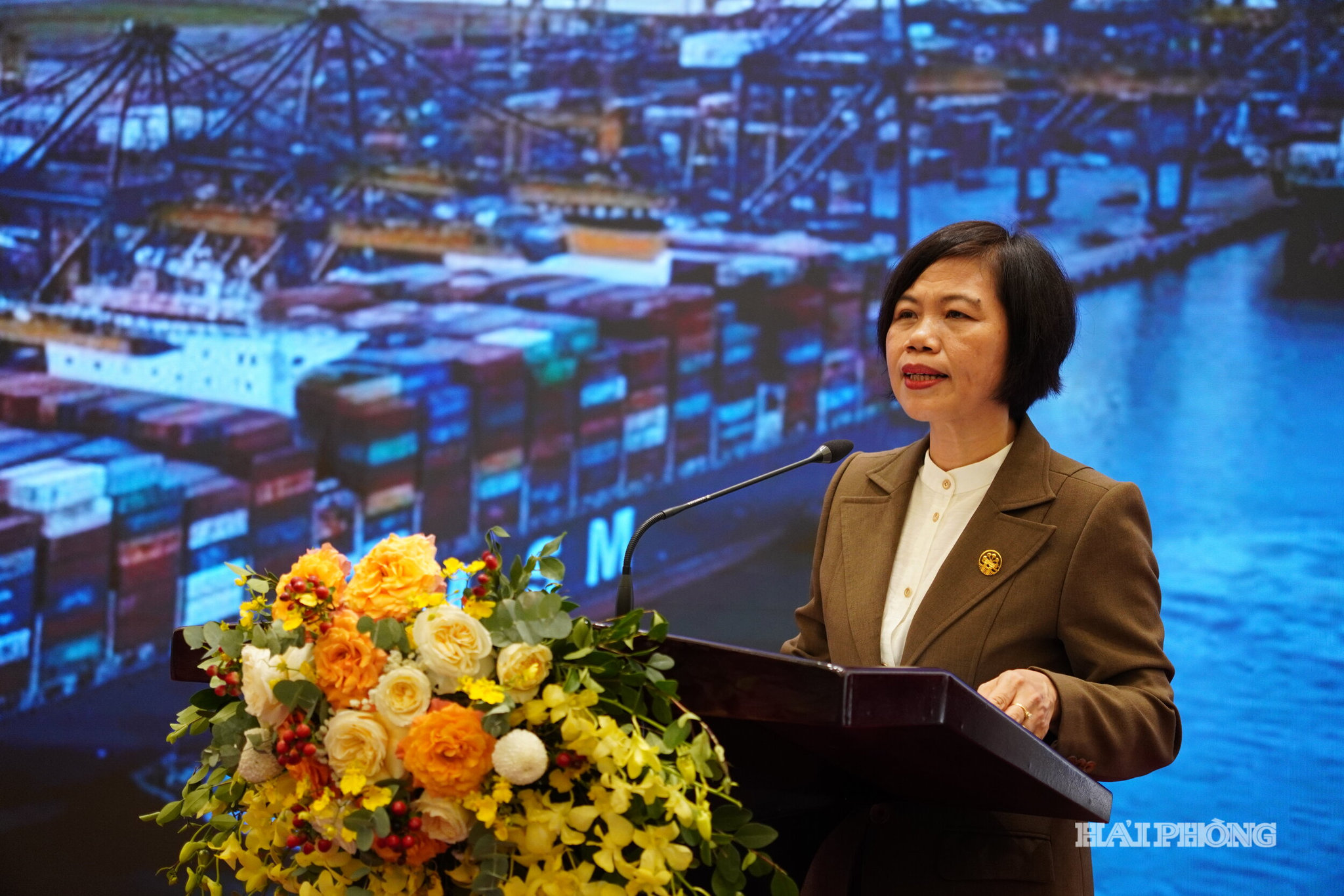
The Hai Phong Economic Zone Authority hopes to continue working with enterprises and investors to resolve difficulties, improve the investment environment and facilitate the effective implementation of projects.
The seminar featured several presentations on development opportunities in Hai Phong, the city’s Free Trade Zone and solutions for unlocking industrial real estate finance. Two in-depth discussion sessions focused on policies, institutions and funding, with exchanges among regulatory agencies, experts, financial institutions and businesses.
Participants highlighted the need to improve infrastructure quality, power supply, green energy, logistics, human resources and digital infrastructure to accommodate new investment flows. Industrial parks need to develop into production ecosystems that connect foreign investors with Vietnamese enterprises, technology and supply chains.
In terms of finance, the solutions discussed aimed to diversify funding sources to suit the long-term investment characteristics of industrial park infrastructure. In addition to bank credit, there is a need to supplement equity capital, bonds, investment funds, international capital and green finance.
LE HIEP