
Gửi bình luận
Following the merger, Hai Phong is reshaping its regional industrial landscape by optimizing land resources and infrastructure to attract a new wave of high-quality FDI during the 2026–2030 period.
A breakthrough from an integrated regional industrial landscape
In the first six months of 2026, Hai Phong's industrial real estate reaffirmed its position as a key segment of the city's real estate market.
The administrative merger with the former Hai Duong Province has not only reshaped the city's economic landscape but also created significant challenges for comprehensive planning. In response, the city has implemented coordinated solutions to optimize resources and meet the expectations of a new generation of investors.
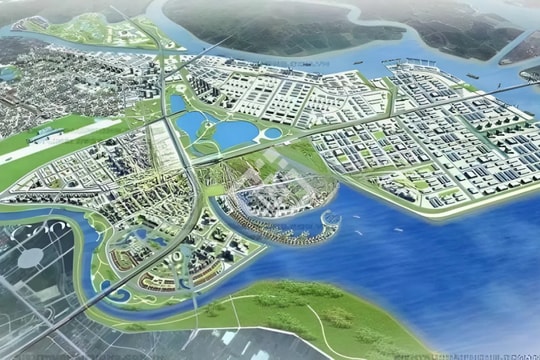
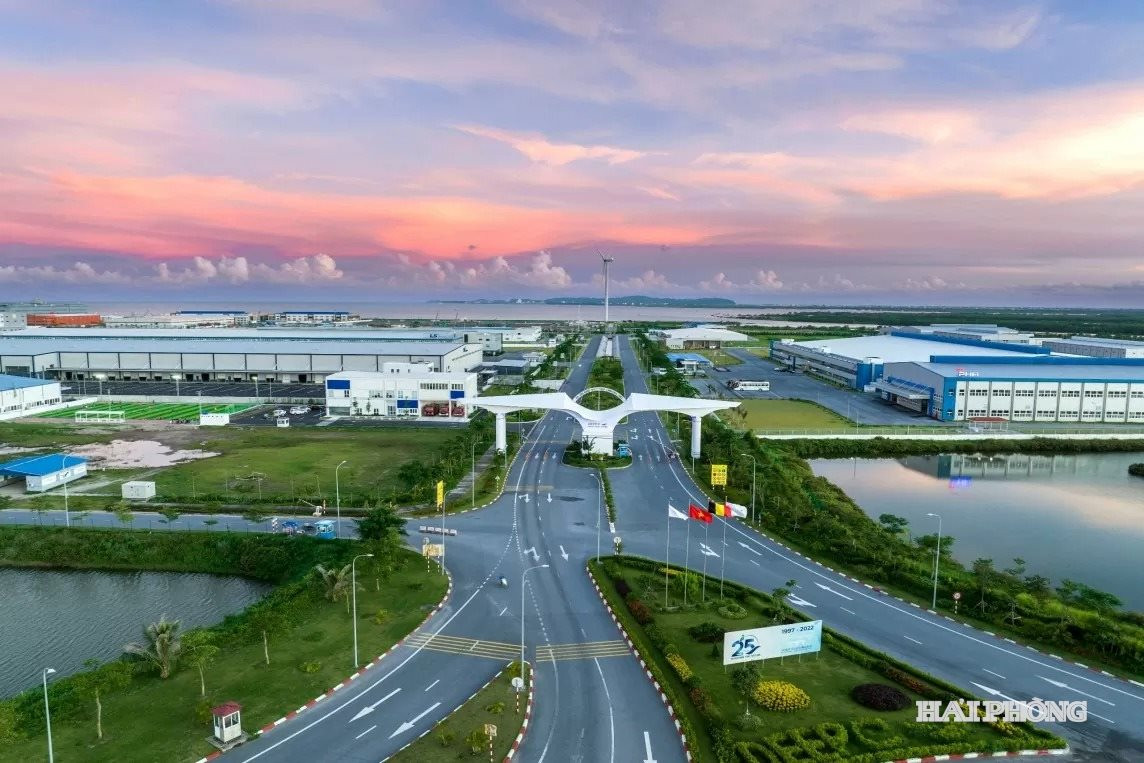
Following the merger, Hai Phong has expanded into an integrated regional industrial hub with two distinct development corridors. The eastern area continues to capitalize on its strengths in seaports, economic zones, logistics, and high-tech FDI attraction. Meanwhile, the western area serves as a strategic land reserve, concentrating industrial clusters, supporting industries, and a plentiful labor force.
This transformation has strengthened seamless connectivity with major economic centers in northern Vietnam. To date, the city has established 46 industrial parks covering a total area of approximately 13,009 hectares, including 43 industrial parks established before 2026 and three newly established industrial parks in early 2026. The eastern part of the city is home to 26 industrial parks covering approximately 9,686 hectares, while the western area contains 20 industrial parks with a combined area of approximately 3,366 hectares.
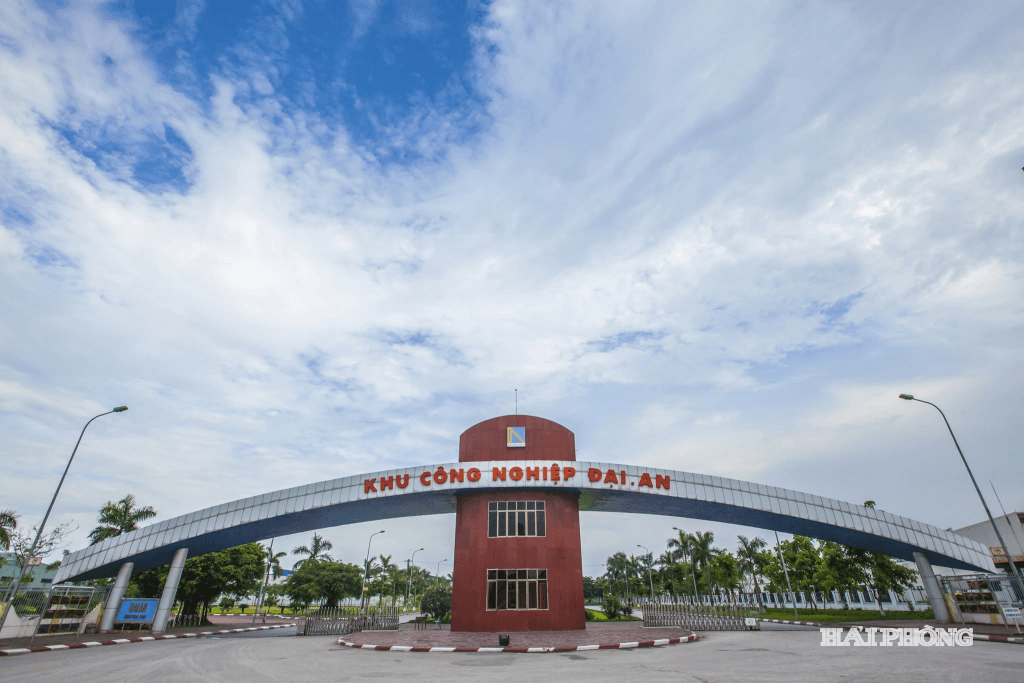
According to the master plan, Hai Phong is expected to develop 69 industrial parks covering approximately 18,900 hectares, including 37 industrial parks in the eastern area and 32 in the western area.
The integration of localities such as Cam Giang, Binh Giang, Kim Thanh, Tu Ky, Thanh Mien, and Gia Loc into the city's overall planning has created substantial room for expanding manufacturing infrastructure, effectively addressing the previous shortage of industrial land in the central area.
In the first six months of 2026, Hai Phong's gross regional domestic product (GRDP), measured at constant 2020 prices, is estimated to have grown by 11.33% compared with the same period last year. This marks the city's highest first-half growth rate in the past five years, placing Hai Phong first among Vietnam's seven centrally governed cities, second in the Red River Delta, and third nationwide. This performance provides a strong foundation for attracting major investors, particularly those from Northeast Asia, including South Korea, Japan, and Singapore.
Enhancing competitiveness in attracting FDI
The merger has also brought a number of challenges. The lack of unified data between the former and newly integrated administrative units remains a bottleneck in land management.
According to Mr. Dang Van Hung of the Hai Phong Real Estate Association, significant pressure remains on social infrastructure, worker housing, and the progress of site clearance for newly planned industrial parks.
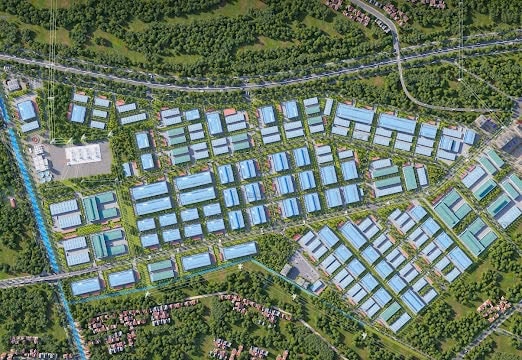
A series of industrial park projects are currently under development, including Trang Due 3 (652.73 hectares), Tien Lang 1 (596.78 hectares), Vinh Quang Phase 1 (226 hectares), Nam Trang Cat (200.39 hectares), Thuy Nguyen Phase 1 (319.65 hectares), Hoang Dieu (245 hectares), and Binh Giang (147 hectares). All of these projects require strong and decisive action from local authorities to accelerate their completion and bring them into operation as soon as possible.
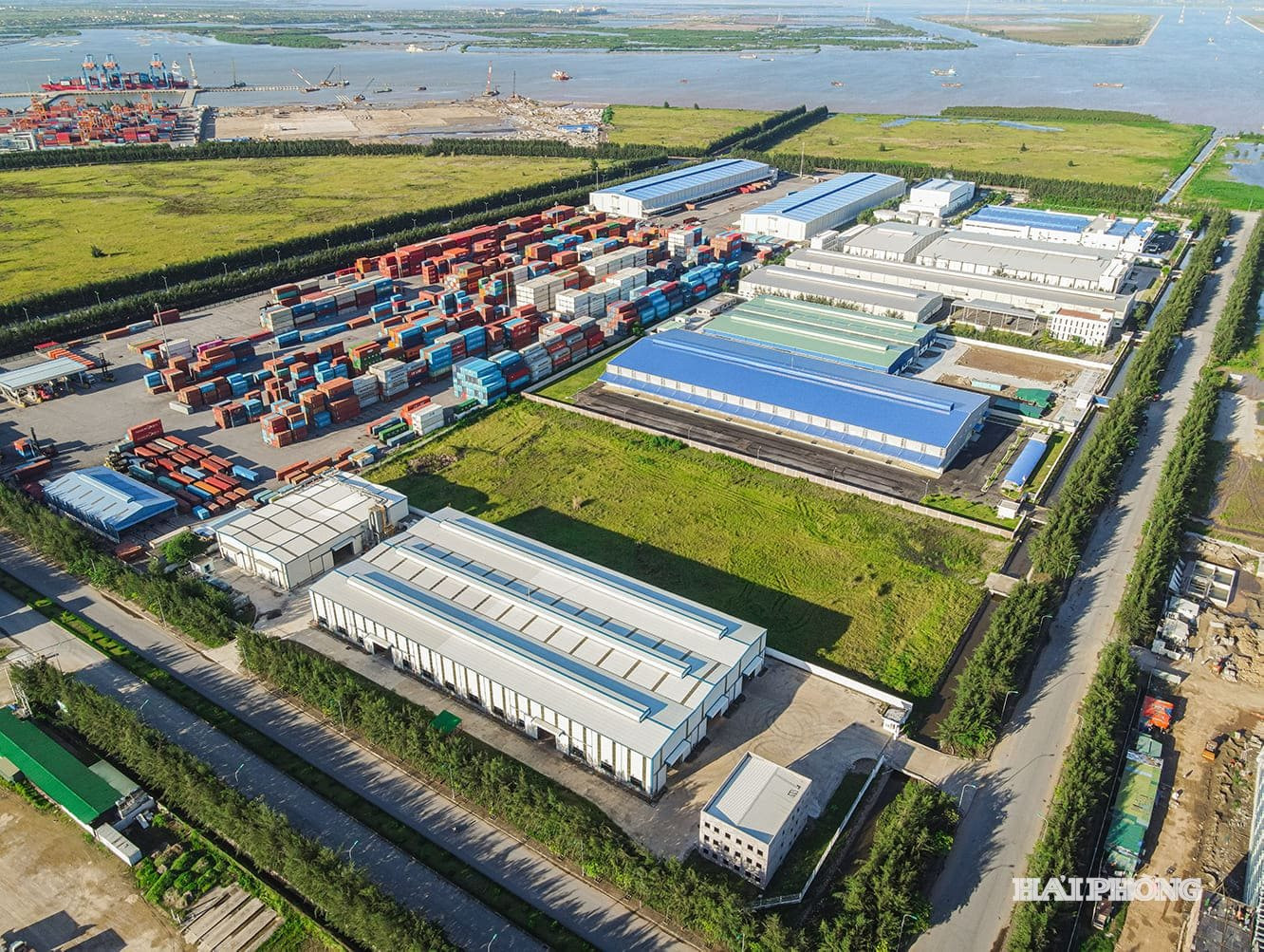
To address these challenges, the city is focusing on the concept of building a "comprehensive industrial ecosystem." Rather than competing solely on industrial land rental prices, Hai Phong aims to offer cleared land, integrated infrastructure, efficient logistics, and professional investor support services. Newly launched projects are being developed under the eco-industrial park and smart industrial park models, meeting international ESG standards and contributing to the Net Zero goal.
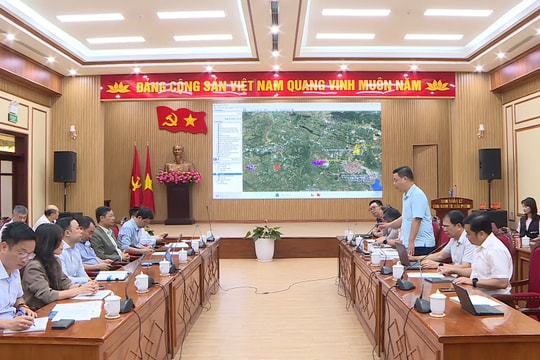
Mr. Nguyen Van Chuan, Deputy Head of the Hai Phong Economic Zone Authority, said that the agency is accelerating administrative reform and developing a digital database for industrial parks and industrial clusters to improve transparency and facilitate investors' access to available industrial land.
These issues will also be a key focus of the "Vietnam Industrial Park Development Forum 2026," scheduled to take place in Hai Phong on July 10. The forum will provide a platform for discussing development strategies, practical experience, and solutions for promoting green, smart, and sustainable industrial parks. It will also examine emerging trends in industrial park planning, investment, construction, and operation in line with digital transformation, ESG standards, and higher infrastructure quality.
FDI attraction remains a major highlight for Hai Phong. As of June 25, 2026, the city had attracted approximately USD 3.1 billion in FDI, 1.75 times higher than in the same period of 2025. Of this amount, USD 2.859 billion, accounting for 92.4% of total FDI inflows, was invested in industrial parks and economic zones, primarily in high-tech industries and manufacturing and processing sectors. Cumulatively, Hai Phong now has 1,853 active FDI projects with a total registered capital of approximately USD 54 billion.
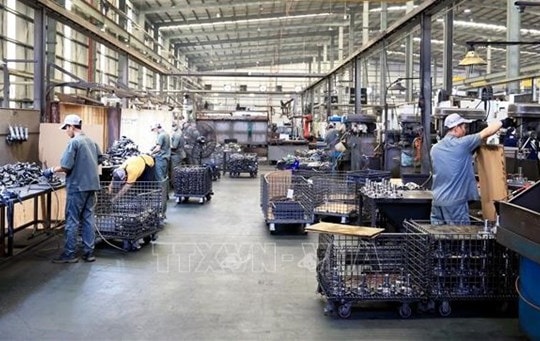
To maintain its position as northern Vietnam's leading industrial real estate hub, Hai Phong must fundamentally address its labor supply challenge. With demand for more than 35,000 workers in 2026, the city is actively coordinating with local authorities and training institutions to develop a skilled technical workforce capable of meeting the stringent requirements of FDI enterprises. The development of industrial clusters also serves as an important buffer, accommodating small and medium-sized enterprises and strengthening supply chains.
To achieve its target of annual GRDP growth of at least 13%, Hai Phong will, during the second half of the year, continue to closely monitor business operations, assess the growth potential of key industrial sectors, remove obstacles affecting production and business activities, and accelerate public investment, particularly in major transport infrastructure projects.
Thu Hang