.jpg "Hai Phong hospitals bring in top specialists to expand local healthcare")

.jpg "Proposal for 35 large-scale, concentrated cropping zones for 2026–2030")


Gửi bình luận
The Hai Phong Department of Agriculture and Environment has rolled out multiple measures to optimize the continuous automatic monitoring system, aiming to strengthen surveillance and protect the environment.
Enhanced post‑inspection
In April 2026, the city People’s Committee issued a directive to tighten inspection and supervision of automatic environmental monitoring systems, with particular focus on facilities at high risk of pollution. The interdepartmental inspection team, comprising the Department of Agriculture and Environment, the Hai Phong Economic Zone Authority, the Department of Science and Technology, and the city police, will coordinate with independent, fully qualified units to carry out reference monitoring.
The inspection team found 29 stations at 19 companies had lost signal because of repair or maintenance work, and 34 stations at 28 companies were suffering equipment faults.
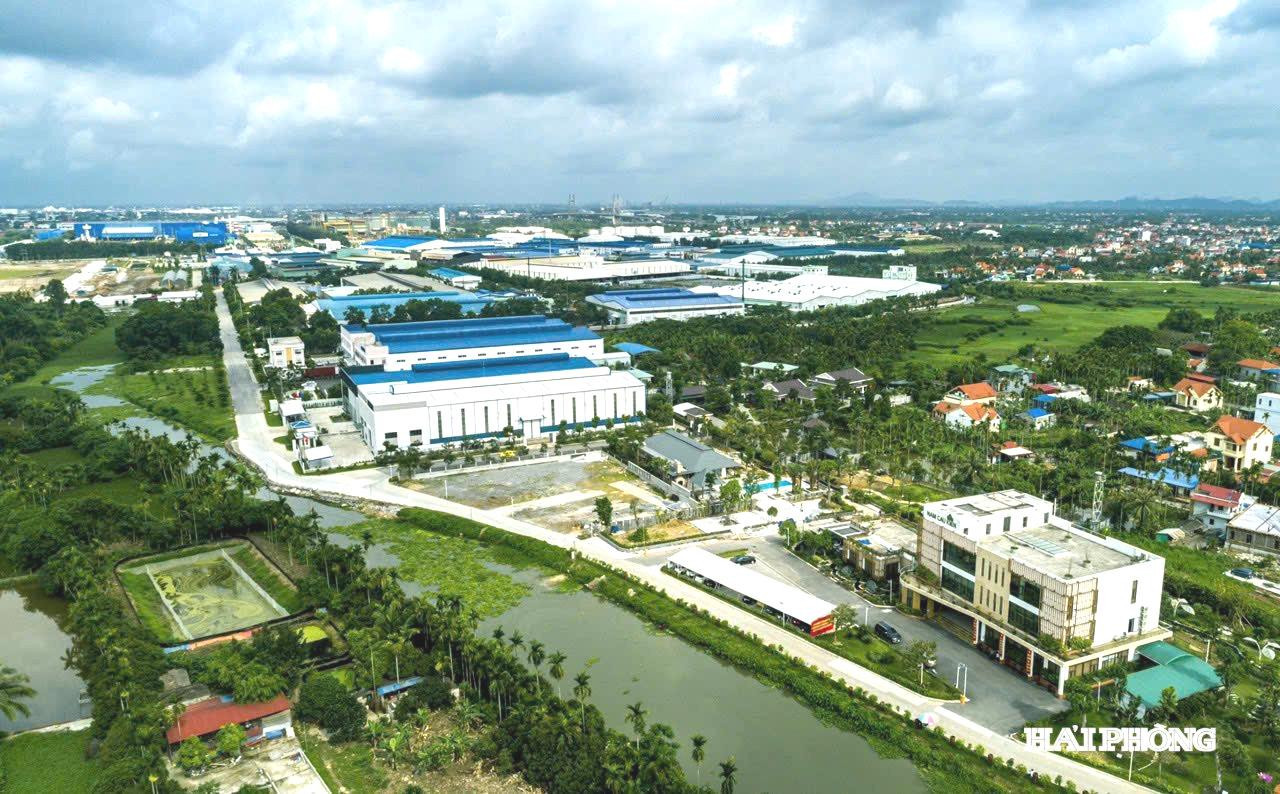
According to Pham Hong Diep, Chairman of the Board of Directors of Shinec JSC and investor of Nam Cau Kien Industrial Park, the park has built a system to collect and transport all wastewater from businesses, treat in line with standards before releasing into the environment, in order to maintain a circular and green ecosystem.
Tightening system security
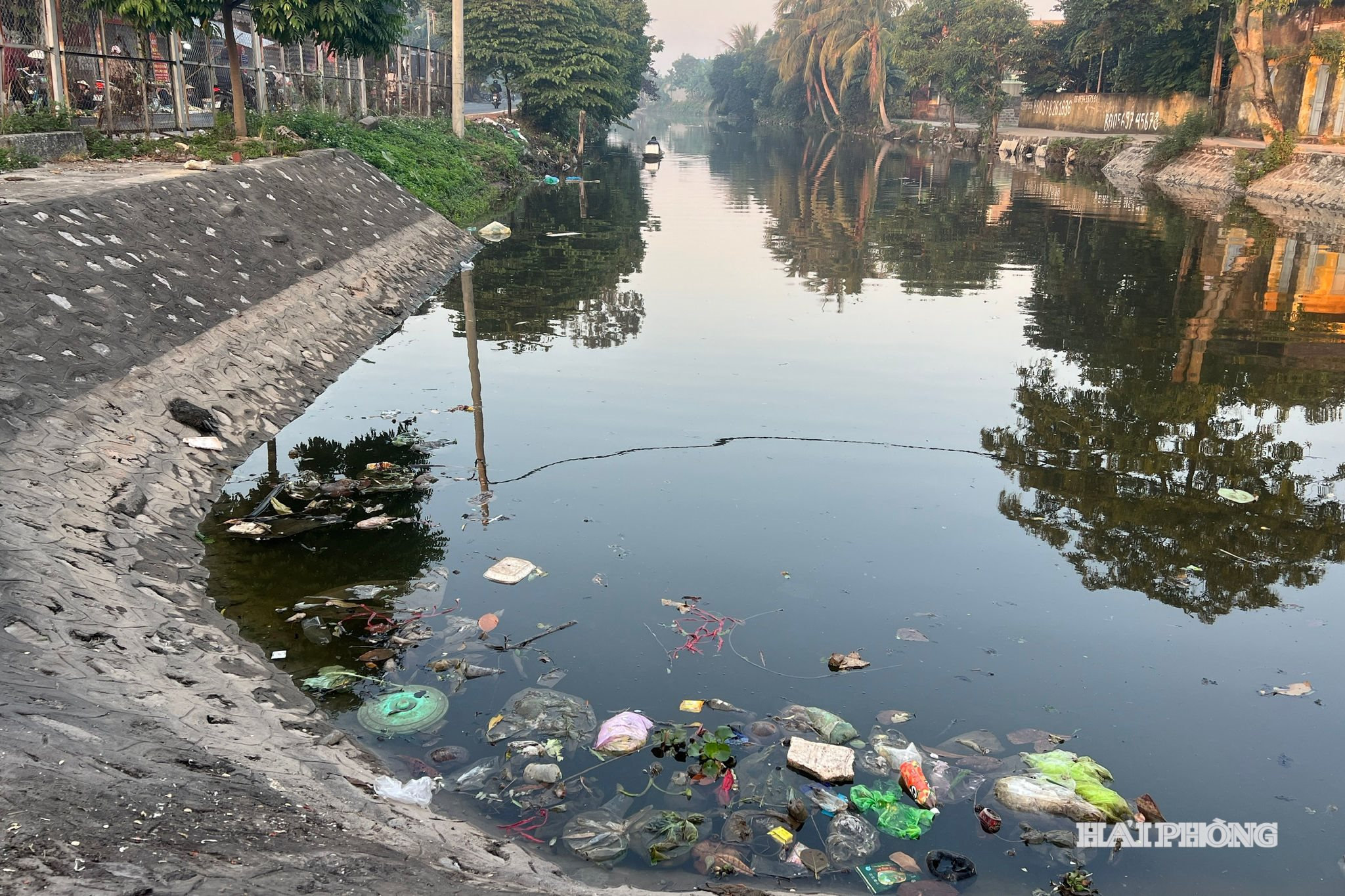
Hai Phong hosts many major waste-generating industries, including steel, pulp and paper, chemical production, coal‑fired power, glass manufacturing, shipbreaking, recycling and waste treatment. Digital technology is therefore essential for effective control of these emission sources. To ensure the automatic monitoring system meets requirements, the Department of Agriculture and Environment is strictly managing access rights and securing the data transmission and reception systems.
Under the department’s close supervision, companies perform regular checks of their equipment using calibration standards. To date, 74 companies operating 114 stations have standardized their equipment, and 25 companies with 33 stations carry out annual certification checks. As a result, the continuous automatic monitoring network effectively supports surveillance and helps detect and prevent environmental incidents.
Hai Phong News