

Gửi bình luận
The Ministry of Construction is studying a range of preferential policies on taxation, land use, and credit to promote the development of rental housing and meet the growing demand for affordable and stable housing in urban areas.
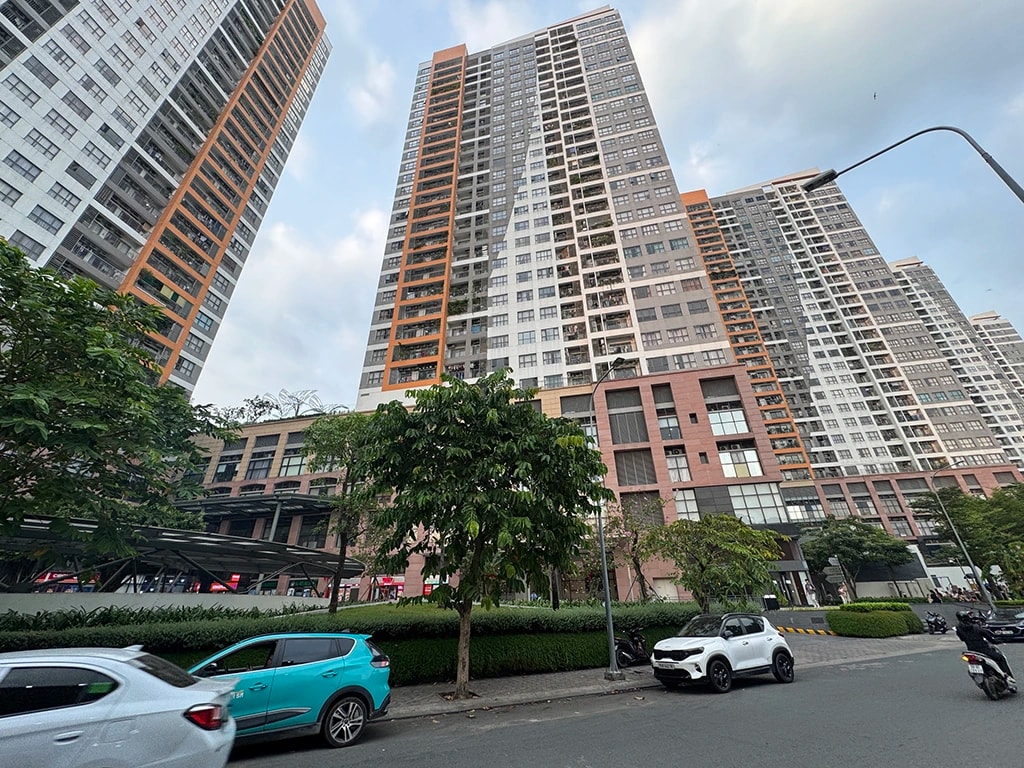
After years of rapid growth, Vietnam’s real estate market is facing a major paradox: housing prices continue to rise sharply, while homeownership is becoming increasingly out of reach for many young people in urban areas.
In this context, many experts believe that rental housing should be promoted more aggressively as a viable solution. However, the sector remains fragmented, lacks professionalism, and has yet to develop into a mature market.
Current rental housing supply mainly comes from small boarding houses, individually rented apartments, or mini apartment buildings that often lack adequate infrastructure, amenities, services, and safety standards.
General Secretary and State President To Lam has emphasized that, alongside housing for sale, priority should be given to the development of rental housing—particularly apartment complexes for rent in major cities—and that this should be considered a strategic pillar through 2030.
In response, the Ministry of Construction stated that it is finalizing mechanisms to support rental housing development as part of proposed amendments to the Housing Law and the Real Estate Business Law, which are expected to be submitted to the National Assembly during its October session.
The policies under consideration focus on tax incentives, exemptions or reductions in land-use fees, improved access to long-term financing, simplified investment procedures, and measures to encourage private-sector participation in developing large-scale rental housing projects.
According to Ms. Hoang Thu Hang, Deputy Director General of the Department of Housing and Real Estate Market Management under the Ministry of Construction, demand for rental housing in major cities is currently very high, while the supply of professionally managed rental properties remains limited.
She noted that the biggest obstacle at present is the relatively low financial return of the rental housing model. To attract tenants, rents must remain affordable, while the investment payback period for developers often extends over several decades.
In practice, most Vietnamese real estate developers have traditionally focused on selling properties to recover capital quickly rather than owning, operating, and leasing properties over the long term. Their cash flow, profitability, and corporate value have therefore depended largely on sales performance.
Experts argue that unless the proposed incentives are sufficiently attractive, it will be difficult to motivate developers to shift toward rental housing development.
Dr. Nguyen Van Dinh, Vice Chairman of the Vietnam Real Estate Association, said that Vietnam’s real estate market has long operated under a homeownership-oriented mindset, while rental housing has not been regarded as an important component of the urban housing system.
According to Dr. Nguyen Van Dinh, developers currently face high land costs, expensive commercial lending rates, and lengthy administrative procedures. If rental housing projects are subject to the same regulatory framework as conventional commercial housing developments, attracting investors will remain difficult.
He noted that a rental housing project typically takes between 15 and 20 years—or even longer—to recover its investment costs. Meanwhile, many real estate companies are under significant pressure from debt obligations and cash-flow constraints, making it difficult for them to embrace a long-term profit model.
Therefore, in addition to tax and land-related incentives, the government should consider establishing dedicated long-term financing sources with low interest rates for rental housing development. This is viewed as a key condition for ensuring that support policies deliver meaningful results.
From a market perspective, Dr. Le Xuan Nghia, former Vice Chairman of the National Financial Supervisory Commission, believes that the challenges facing the rental housing segment stem not only from funding constraints but also from legal and regulatory gaps.
According to him, Vietnam has yet to develop a truly professional rental housing market. Existing supply is largely provided by individual households or informal rental models that lack standardized management, operation, and long-term investment practices.
Dr. Le Xuan Nghia pointed out that there is currently no dedicated legal framework for this segment. Regulations governing rental pricing, long-term lease agreements, and operational standards remain incomplete and inconsistent.
Another issue he highlighted is the shortage of land designated for rental housing. He argued that most urban developments currently prioritize commercial housing to maximize profits, while land allocation for rental housing projects has received insufficient attention.
Dr. Le Xuan Nghia proposed requiring large urban developments to reserve a certain proportion of land specifically for rental housing, particularly in areas near industrial parks, universities, and major public transportation corridors.
According to experts, at a time when many housing projects are experiencing low occupancy rates, expanding rental housing could not only enhance social welfare but also improve market liquidity and help restore confidence in the real estate sector.
Experts also believe that Vietnam’s real estate market has entered a period that requires structural reform, as housing prices have exceeded the affordability of most young urban workers.
Without the timely development of a professional rental housing market, major cities will continue to face the paradox of millions of people being unable to afford homeownership while having no choice but to live in overcrowded rental accommodations with inadequate infrastructure and poor living conditions.
Hai Phong News