



Gửi bình luận
The impacts of natural disasters and climate change, along with pressure from socio-economic development in Hai Phong, are creating many difficulties and challenges for forest management and protection.
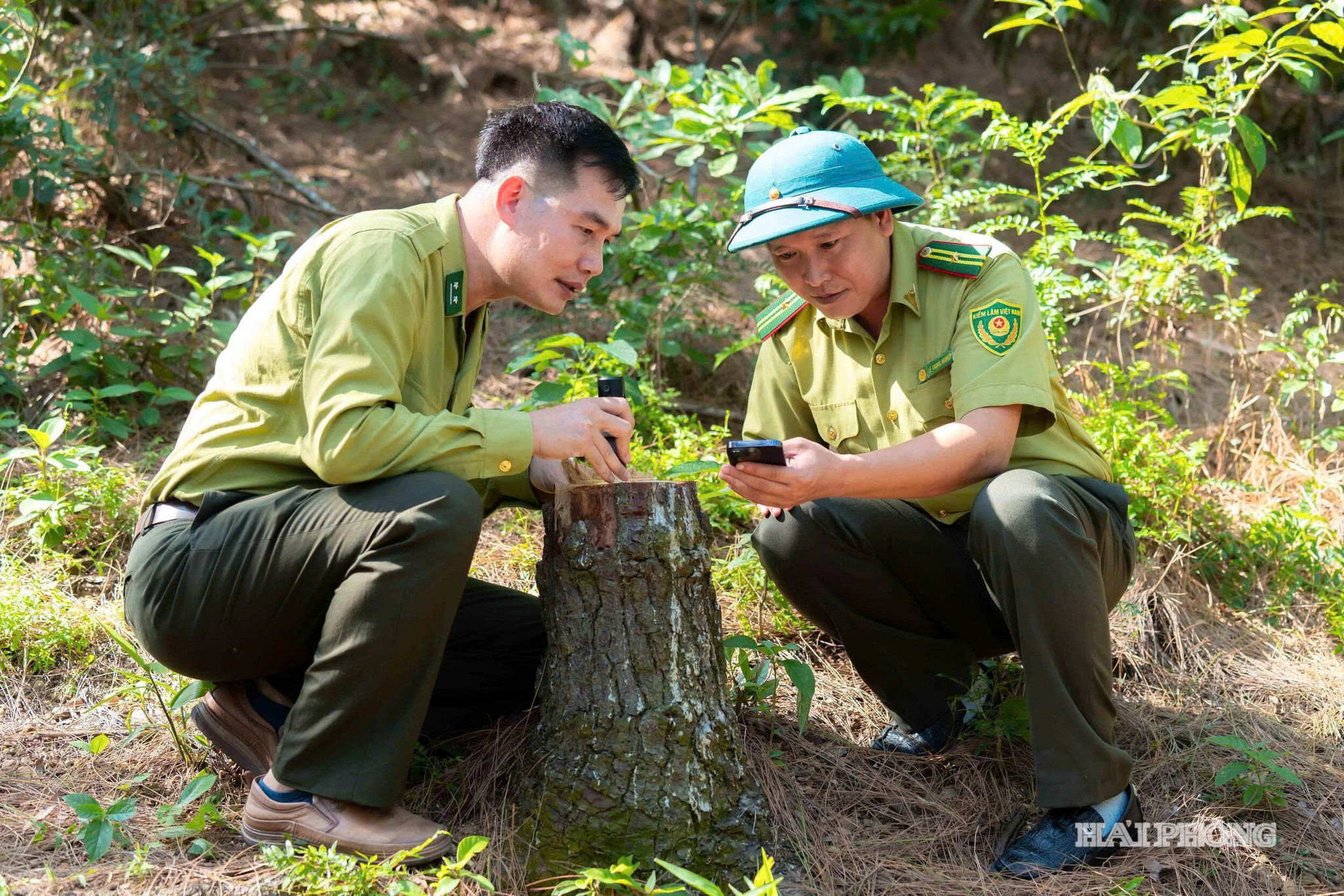
Expansive forests
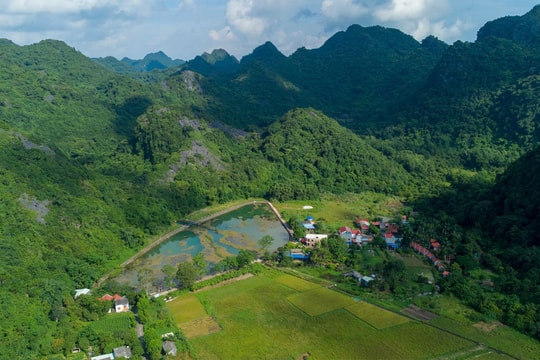
Following the merger of Hai Duong Province and Hai Phong City, the area and diversity of forest ecosystems in the newly expanded Hai Phong have increased significantly.
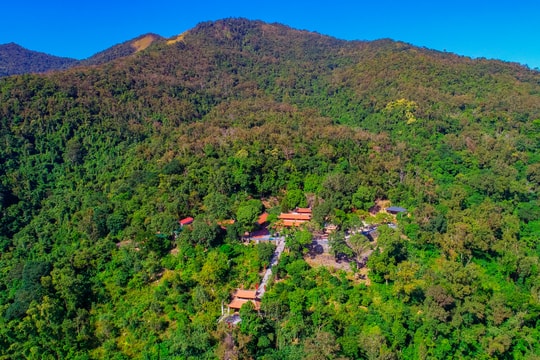
Specifically, the total forest area, including planted areas that have not yet become forests, across the city stands at 22,249.65 hectares. Forests are distributed across a range of ecosystems, from Cat Ba National Park and coastal mangrove forests to special-use forests, protection forests and contiguous production forests in the hilly areas of Chi Linh and Kinh Mon.
According to Mac Dinh Thang, Head of Forest Ranger Unit No. 4, the unit manages six forested wards: Chu Van An, Le Dai Hanh, Nguyen Trai, Tran Hung Dao, Tran Nhan Tong and Chi Linh. The total forest-planting land area is 6,938 hectares.
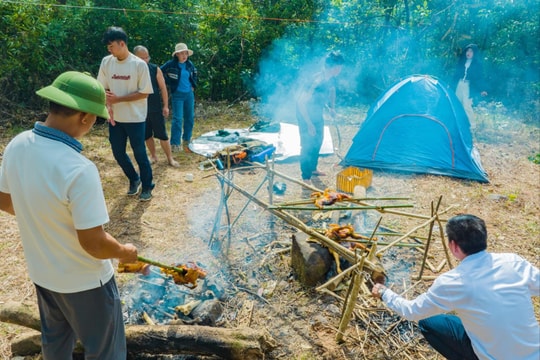
In recent years, forest management and protection, as well as forest fire prevention and firefighting, have been proactively planned and implemented by authorities at all levels, relevant forces and forest owners in accordance with the “four on-the-spot” approach. However, during the dry season, heavy leaf fall, accumulated litter and undergrowth create large amounts of combustible material beneath the forest canopy, leading to a high risk of forest fires. As a result, forest fire prevention and firefighting during the dry season are often difficult and complicated.
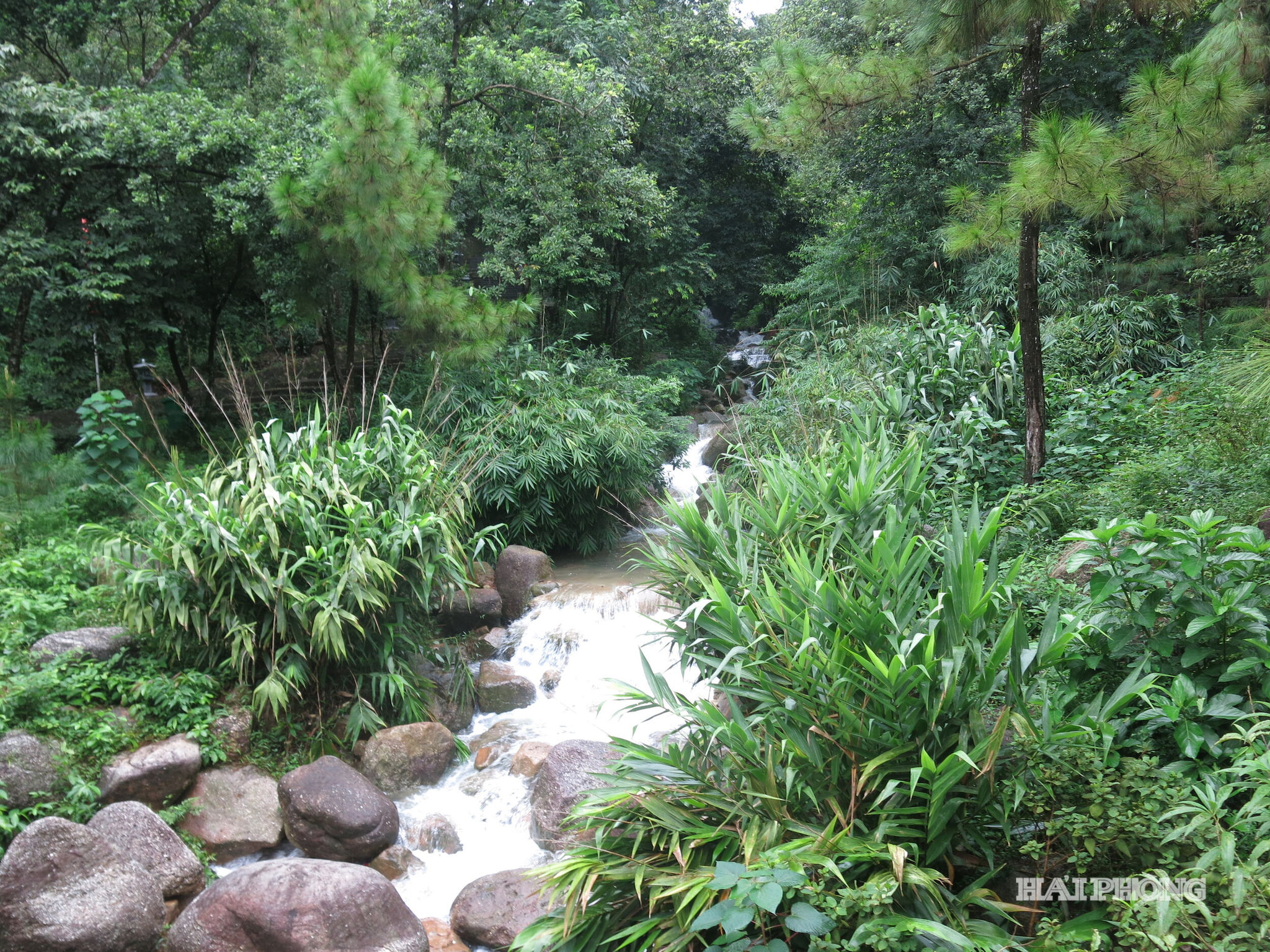
The forest ranger force remains thin, while its management area is large and dispersed, requiring the forestry sector to step up the use of Remote Sensing technology in combination with Geographic Information Systems to monitor changes in forest areas.
Equipping forest rangers with specialized drones or UAVs fitted with thermal cameras would effectively support monitoring and patrol operations. However, these devices have not yet been provided to forest rangers, making patrols and monitoring difficult and limiting their effectiveness.
Enhancing forest management capacity
Amid climate change, declining natural resources and the increasingly urgent need for sustainable development, the rational use of forest resources is an inevitable trend to ensure that forests serve as the “green lungs” of the environment, preserve valuable genetic resources, regulate the climate and protect ecosystems.
In practice, if properly planned, managed and utilized, forest resources can help conserve biodiversity, promote the development of a green economy, create jobs, increase local community incomes and raise public awareness of nature conservation.
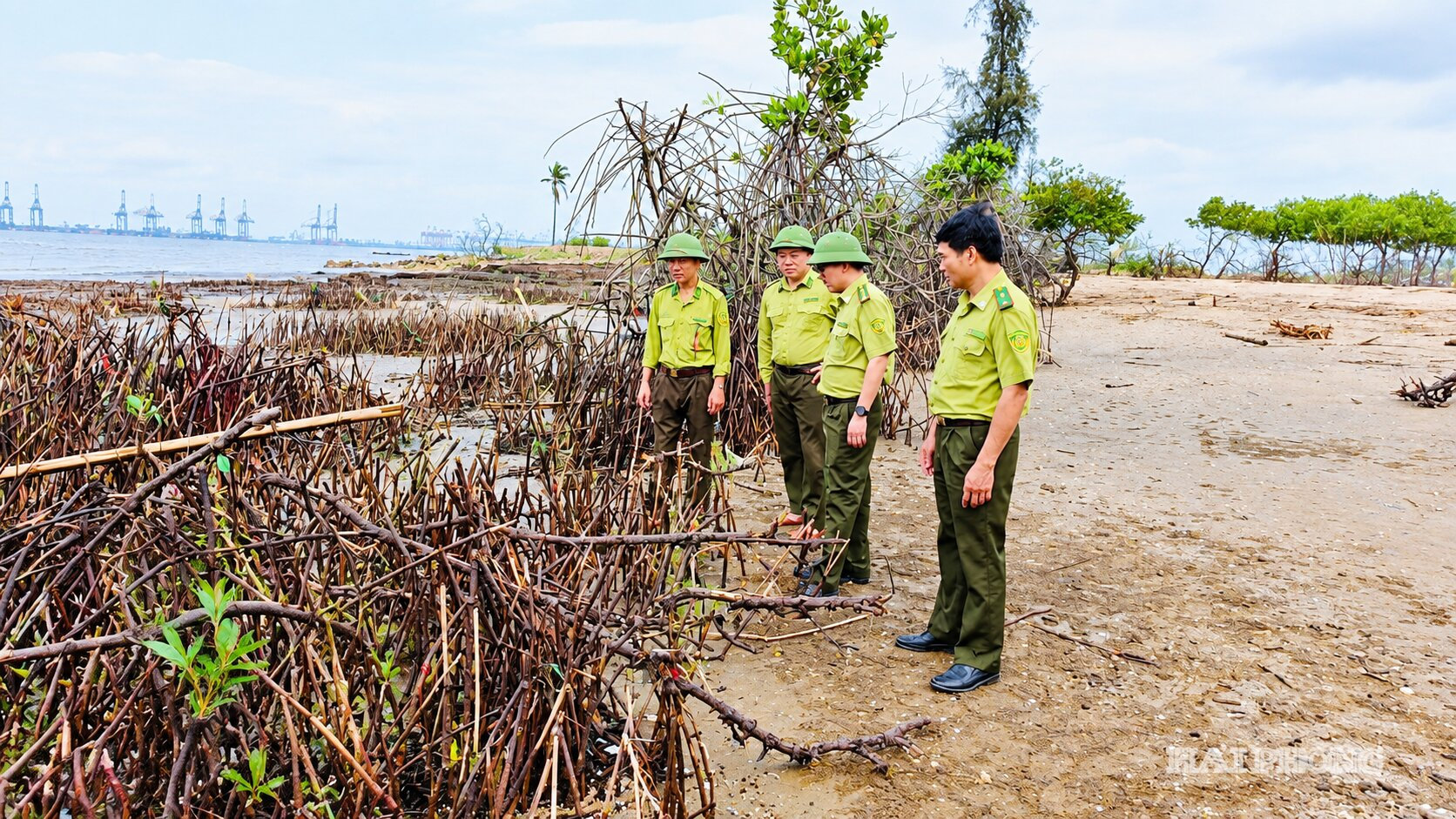
Nguyen Tien Trang, Deputy Director of the Hai Phong Forest Protection Sub-Department, said that recognizing the importance of forests to the city, particularly amid the adverse impacts of climate change, the forest ranger sector has proactively advised and proposed measures to improve the system of legal regulations on forestry.
The sector is updating forestry planning to reflect actual conditions; disseminating legal regulations to officials and residents to raise awareness of forest management, protection and development; and accelerating forest surveys, forest planning and the development of a digital forest database to support management.
In 2026, the forest ranger sector aims to complete the allocation of land and forests to local residents and communities, while stepping up forest planting, particularly mangrove forests; encouraging social participation in forest planting; carrying out nature and biodiversity conservation effectively; and strictly controlling forest animals, wild birds and migratory species.
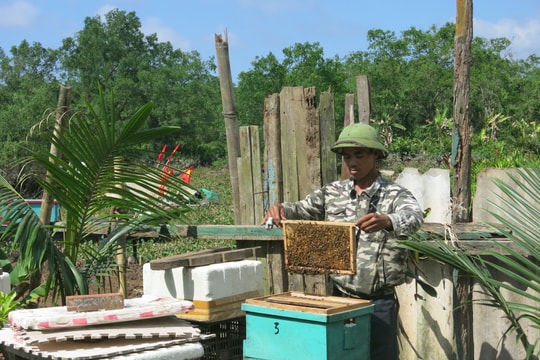
Le Van Tuan, Deputy Head of the Economic Division of Tran Hung Dao Ward, said sustainable livelihoods should be created for people living near forests through economic development models under forest canopies and support for contracted forest protection. When residents can earn income from forests, they will be more actively involved in managing, protecting and developing them.
The Hai Phong Department of Science and Technology has also committed to serving as a bridge for bringing the most advanced technological solutions into forest management, helping the forestry sector improve transparency in management and firmly protect the city’s “green lungs.”
HO HUONG