





Gửi bình luận
Pre-hospital emergency care is the first link in the chain of survival. Every decision and every coordinated effort can make the difference between life and lasting disability, between a chance of recovery and an irreparable loss.
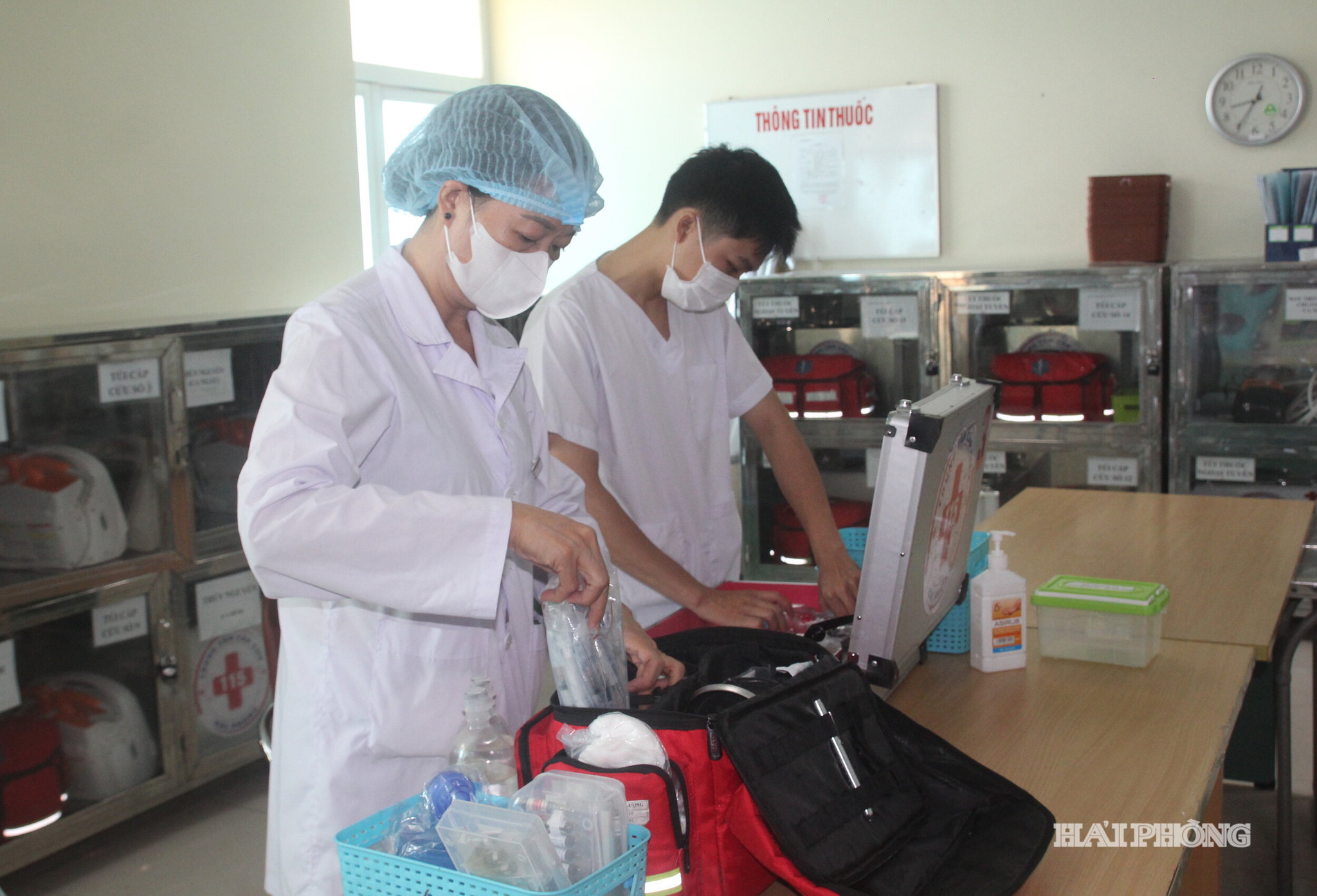
Rapid response and timely first aid
In everyday life, cases of stroke, heart attacks, traffic accidents and children choking on foreign objects and suffering respiratory arrest are not uncommon. In such situations, even a delay of a few minutes can significantly reduce a patient's chances of survival. Pre-hospital emergency care therefore involves far more than transporting patients to hospitals. It encompasses receiving emergency calls, dispatching response teams, providing first aid and delivering initial treatment at the scene.
Doctor Vu Hong Quang, a Level I specialist and Head of the Pre-hospital Emergency Department at the Hai Phong 115 Emergency Center, said that before the administrative merger, the former Hai Phong City had a 115 Emergency Center, while Hai Duong Province had no equivalent service. Meanwhile, limited personnel and equipment placed considerable pressure on pre-hospital emergency care. Despite these difficulties, emergency teams have continued to make every effort to reach patients as quickly as possible and improve their chances of survival.
Under its annual targets, the Hai Phong 115 Emergency Center is expected to transport around 5,000 patients each year. In the first nine months of this year, the center carried out 8,330 emergency trips, exceeding its full-year target by 66%, and transported more than 5,600 patients, 12% above the annual target. The center achieved a rate of 98% against its target for dispatching ambulances within five minutes of receiving a call. All emergency trips were conducted safely and effectively.
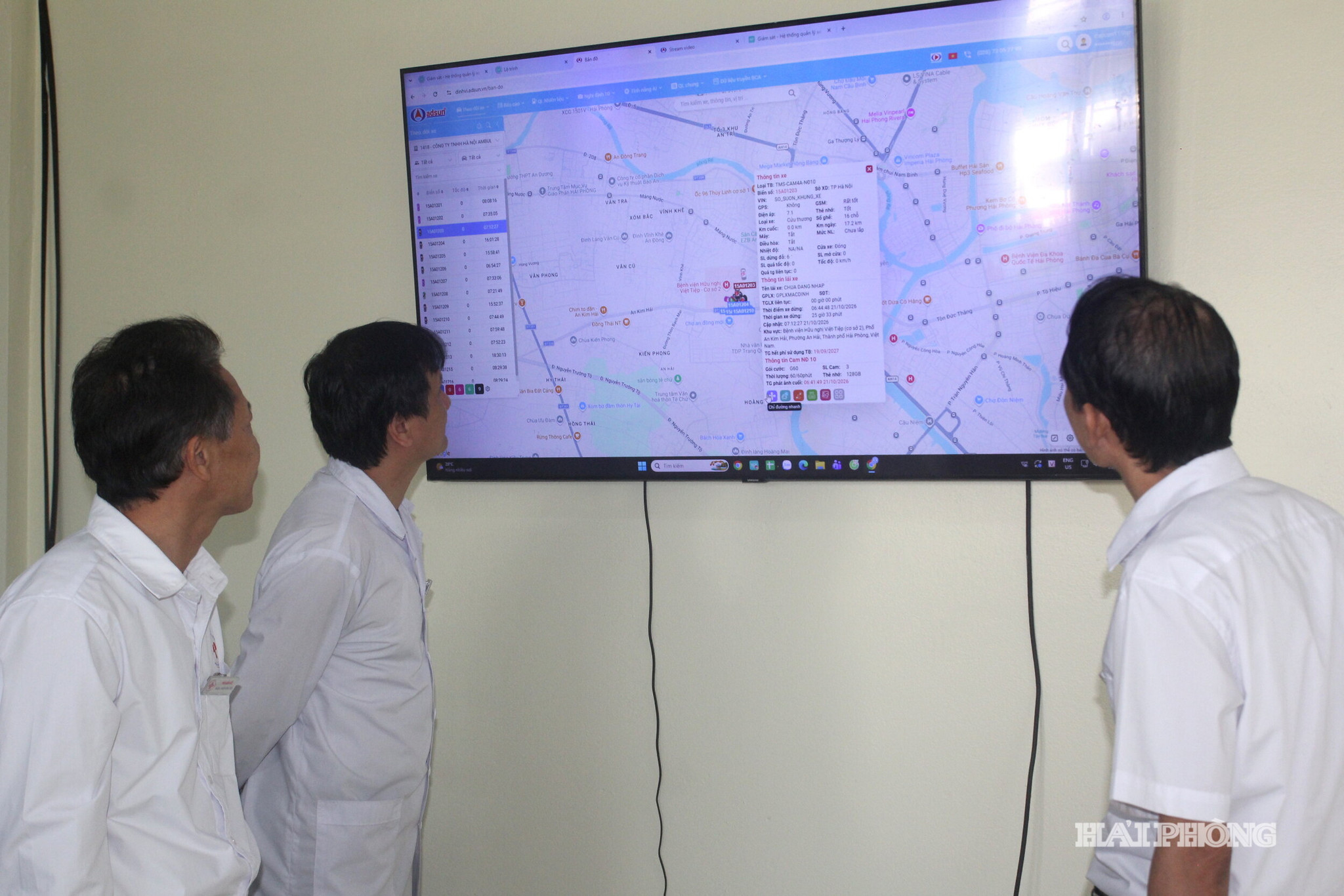
The center also maintains ambulances and emergency teams equipped with the necessary medical equipment at designated locations, including Thuy Son Medical Station, Hai Phong International General Hospital, Vinmec Hospital and Hai Duong Medical Technical University Hospital.
Developing pre-hospital emergency care
As implementing resolutions of the Politburo and Government on breakthrough measures to strengthen public health protection, care and improvement, developing a pre-hospital emergency care system is not merely a professional requirement. It is also a humanitarian imperative and a measure of the organizational capacity of the healthcare sector and the broader public health system.
Hai Phong is one of the first six localities selected to pilot upgrades to its pre-hospital emergency care network under a national project to develop the system for 2026 – 2030. The other participating localities are Bac Ninh, Ha Tinh, Khanh Hoa, Da Nang and An Giang.
As part of the project, Vingroup has handed over 15 modern ambulances to the Hai Phong 115 Emergency Center, along with equipment meeting the EN 1789:2020 standard, following recommendations from the World Health Organization (WHO) and the American Heart Association, and complying with Vietnamese technical regulation QCVN 31:2012/BYT.
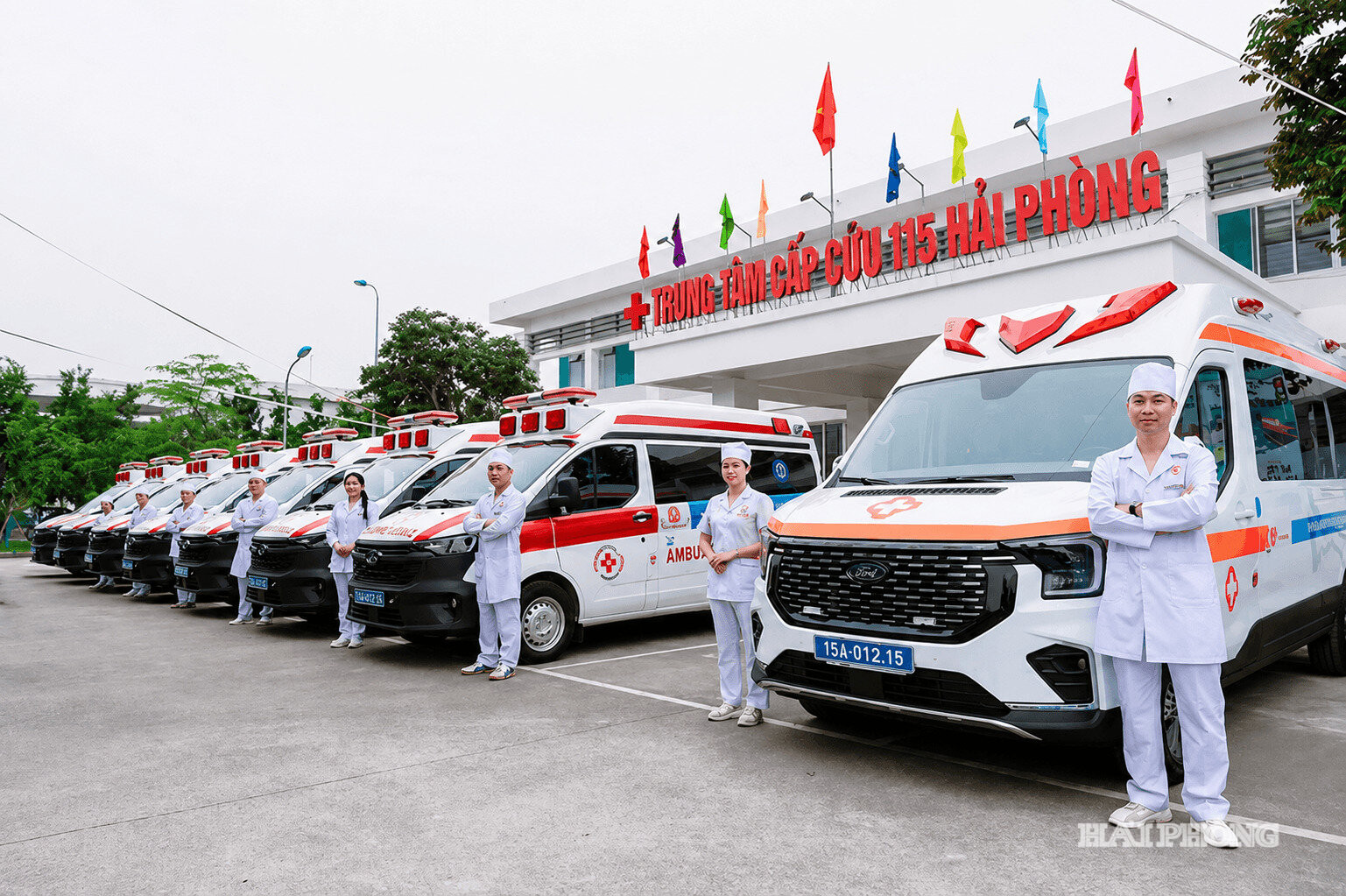
Each ambulance serves as a “mobile emergency room,” equipped with a specialized ventilator, a defibrillator integrated with a patient monitor, FAST ultrasound equipment, a 12-lead electrocardiogram system with remote connectivity, a video-assisted intubation kit, trauma immobilization splints and various other emergency medical tools.
According to the plan, Hai Phong's pre-hospital emergency care network currently has eight satellite stations located in densely populated areas and urban centers. The number is expected to increase to 12, each staffed and equipped with medical supplies, medicines and ambulances operating 24 hours a day, seven days a week.
The entire network will be coordinated centrally by the 115 Emergency Dispatch Unit at the Hai Phong 115 Emergency Center, ensuring that every emergency call is received, triaged and followed by rapid deployment of response teams.
Staffing will also be expanded, with all personnel receiving training to international standards in cardiopulmonary resuscitation, multiple-trauma management, maritime emergency response and advanced life-support transport. This will help standardize response capabilities throughout the network.
Dr. Nguyen Quang Chinh, Director of the Hai Phong 115 Emergency Center, said that in addition to providing modern vehicles and equipment for emergency care, the Ministry of Health and Vingroup had funded information technology software to support emergency dispatch at the center. The system is in the early stages of implementation.
The software is expected to offer significant benefits. When residents call the emergency hotline, the center will be able to identify their location and use the system to screen information, provide advice and deliver guidance more effectively and quickly.
HOANG XUAN