.jpg "Do Son partners with businesses to boost tourism")

Gửi bình luận
The Hai Phong Tourism Association is stepping up efforts to expand tourism space and enhance destination value, as the sector rebounds strongly following the COVID-19 pandemic. The association is shifting from a networking role to a more proactive position in leading development and building value chains.
A shared vision
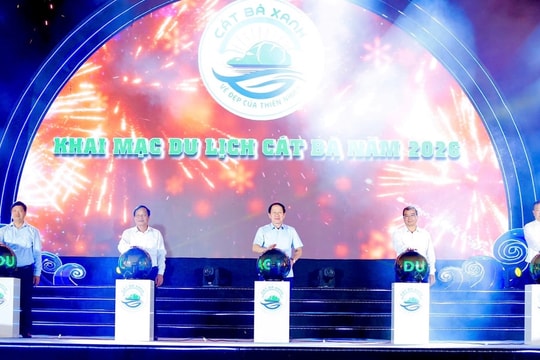
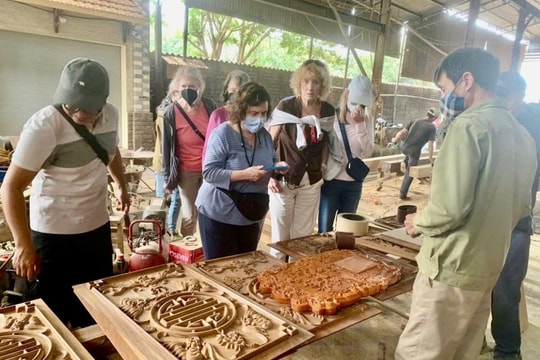
Following the merger, Hai Phong now possesses two major tourism clusters: coastal and island destinations such as Cat Ba, Lan Ha Bay and Do Son, alongside cultural and spiritual sites including Con Son and Kiep Bac, as well as traditional craft villages.
Turning these advantages into marketable products requires coordinated efforts, with the tourism association playing a central role.
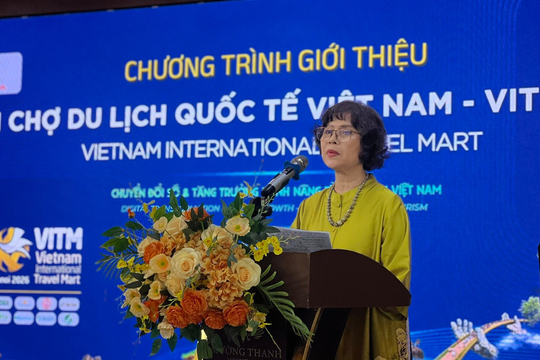
In 2025, the association shifted its focus toward market promotion and business support. Participation in the Vietnam International Travel Mart in Hanoi not only promoted the city but also helped member businesses connect with partners and expand distribution channels.
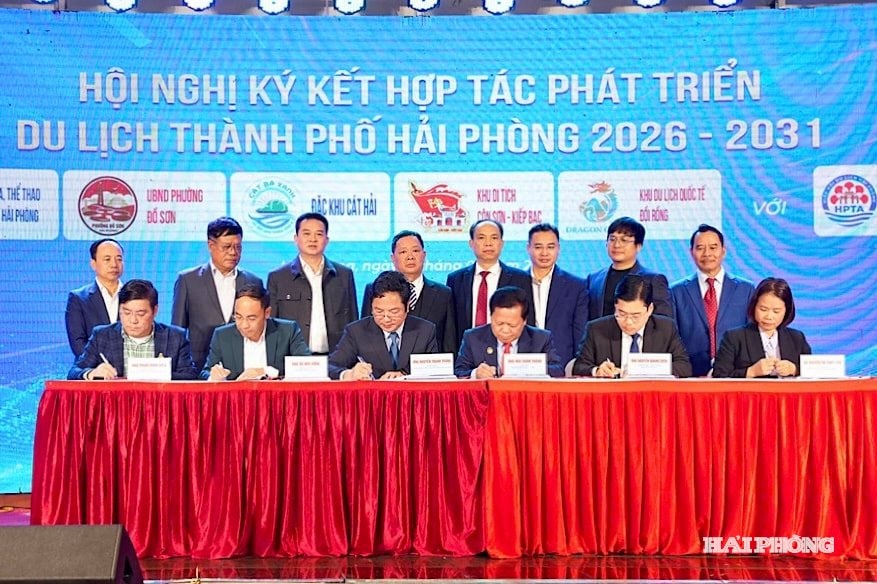
Regional linkages have been strengthened through cooperation agreements with the Da Nang Tourism Association and localities in the expanded Red River Delta, aiming to develop inter-regional tours and share visitor flows. This approach helps reduce market access costs while improving competitiveness.
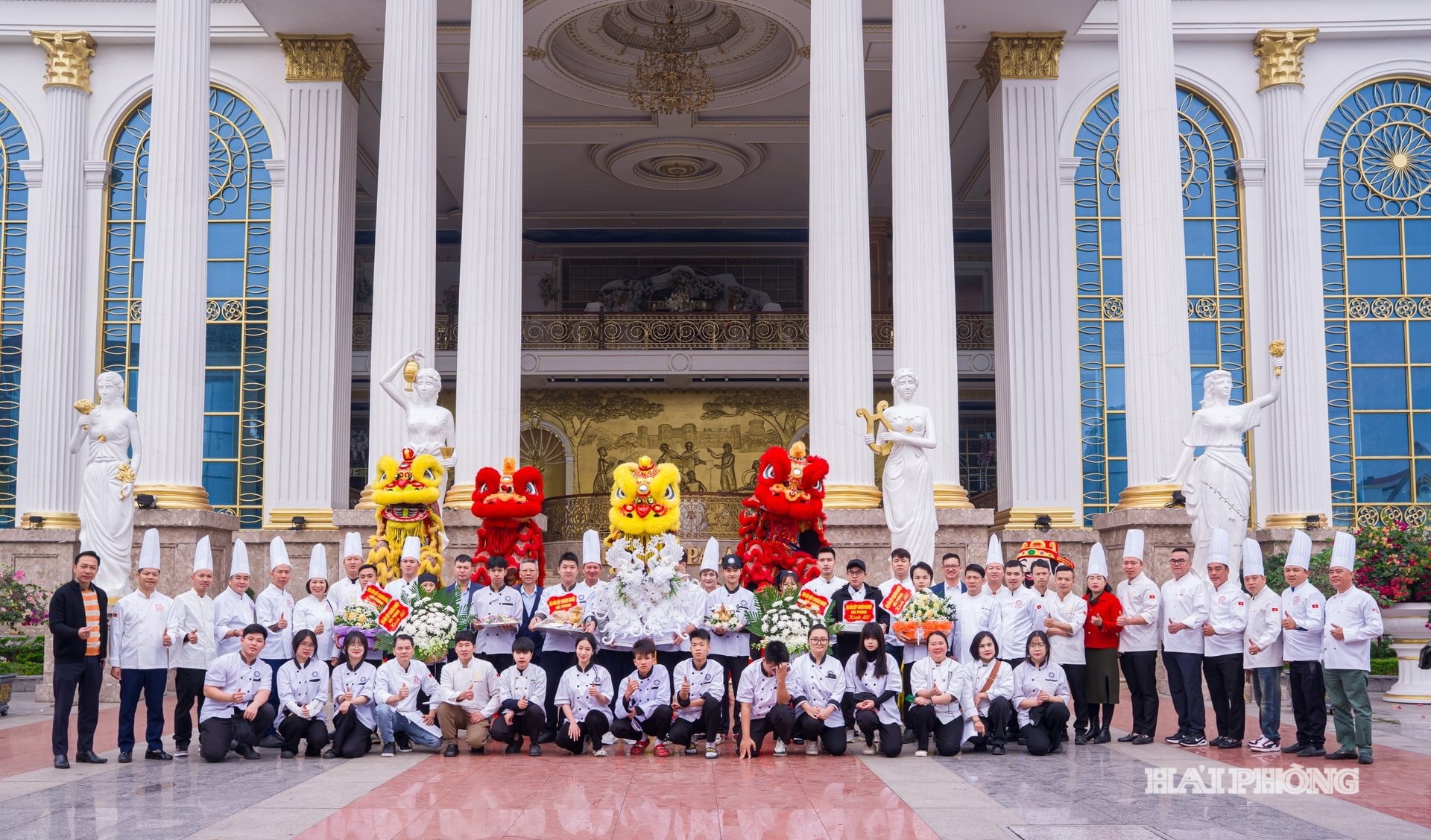
At the event level, the association has taken on an organizing role, mobilizing businesses to co-develop tourism products. From the Red Flamboyant Festival to culinary festivals, the focus has been on enhancing visitor experiences. A highlight was the Golden Chef Awards Hai Phong 2025, which helped standardize and promote local cuisine.
Notably, the Hai Phong Tourism Destination Promotion Conference 2025, held at Dragon Hill International Tourism Area, drew more than 1,000 delegates, including 33 tourism associations and numerous domestic and international businesses, creating a large-scale networking platform.
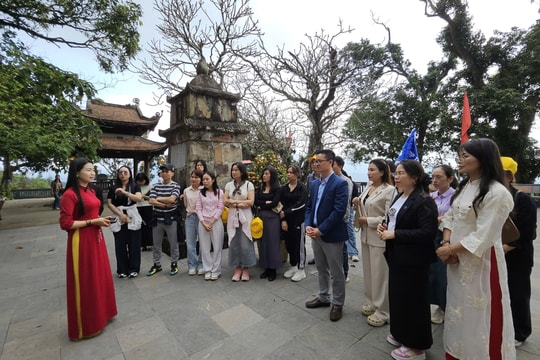
To diversify tourism products, the association has organized fam trips, enabling businesses to test new tour routes, including international itineraries such as Lijiang and Dali in China, helping refine products in line with market demand.
For the 2026–2031 period, the Hai Phong Tourism Association aims to strengthen its role from “connector” to “driver” of development. One key pillar is digital transformation. Beyond slogans, the association plans to develop a digital tourism ecosystem, including digital maps, shared databases and online promotion platforms.
If effectively implemented, these tools could help small and medium-sized enterprises, which make up the majority, access markets at lower cost while improving management capacity.
Green tourism is being integrated as a core development criterion rather than a supporting factor. Efforts to reduce plastic waste, promote clean energy and develop environmentally friendly products reflect closer alignment with international standards, seen as key to attracting higher-spending, longer-staying visitors.
In terms of products, the association is pursuing targeted diversification. Four-season coastal tourism, MICE tourism, night-time tourism, and rural tourism have been identified as segments with growth potential.
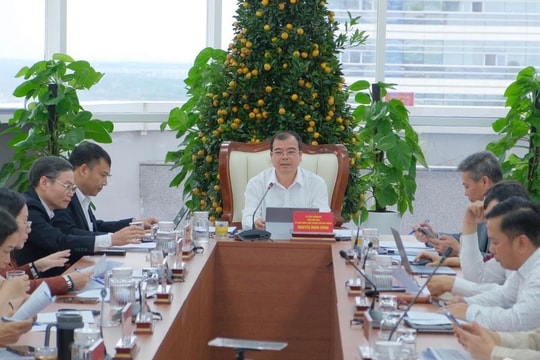
According to Chairman Mai Xuan Thang, the association will prioritize strengthening links among businesses, developing distinctive products and supporting members in adapting to emerging trends such as digital transformation and green tourism.
Hai Phong News