
Gửi bình luận
Vietnam is streamlining its local administrative system through the merger of villages and residential groups while seeking to preserve rural cultural heritage.
.jpg)
An administrative restructuring that took effect on July 1 reduced the number of villages and residential groups in Hai Phong to 1,723, down by 1,363 from before. The move is part of the government's efforts to streamline the administrative system.
A leaner administrative structure is expected to make governance more efficient by reducing intermediate levels of administration, allowing resources to be directed more effectively toward socio-economic development and public services.
At the same time, the restructuring underscores the importance of preserving the cultural identity of rural communities. Long-term development is more sustainable when administrative reform goes hand in hand with protecting traditional values.
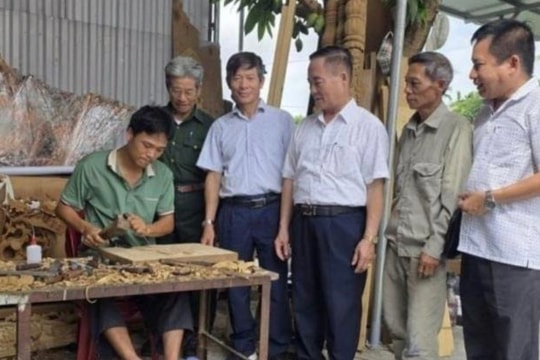
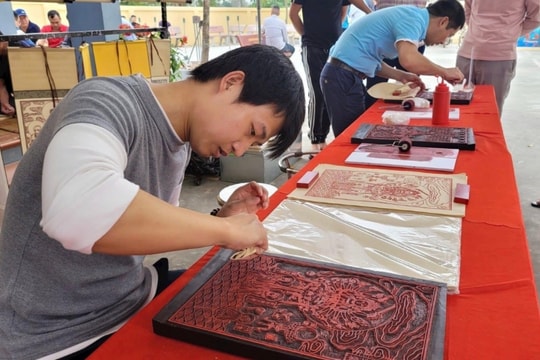
For generations, Vietnamese villages have preserved family genealogies, customs and stories about ancestors and those who contributed to their communities and the country. Hai Phong itself has undergone several administrative boundary changes over the years, yet many villages have retained their cultural traditions.
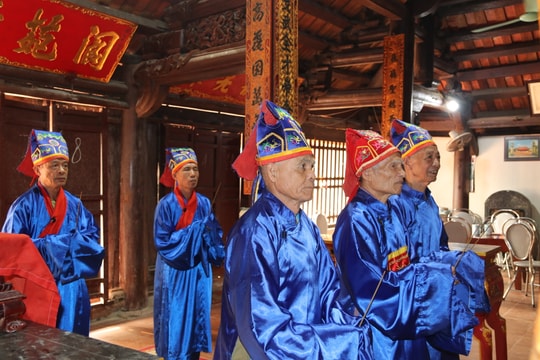
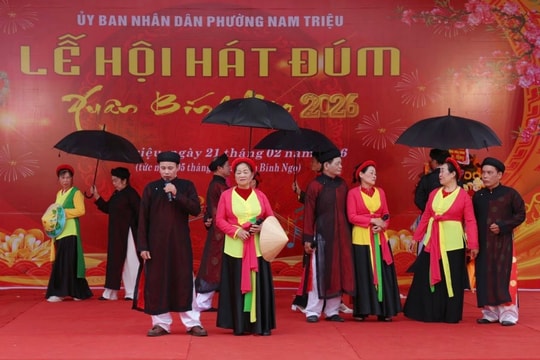
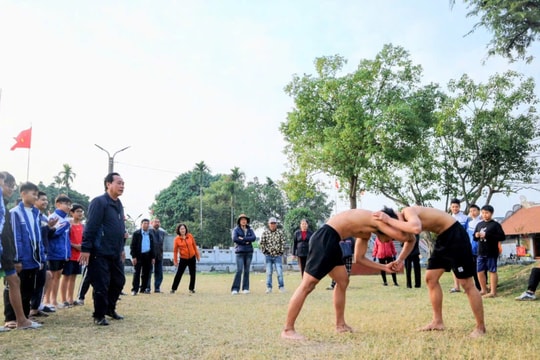
The Truc Cat Communal House Festival, for example, has continued despite the area's transition from Vinh Niem Commune to Vinh Niem Ward and now An Bien Ward. Likewise, the Tu Luong Xam Festival has preserved its distinctive rituals, even though the locality has changed from Nam Hai Commune to Nam Hai Ward and now Dong Hai Ward over the past two decades.
These examples show that while administrative boundaries may change, a village's cultural identity can endure when local communities continue to preserve and pass on their traditions.
Urbanization has transformed rural areas and improved living standards. But development would be incomplete if traditional cultural values were gradually lost. A village's identity is defined not only by its infrastructure or economy, but also by its communal houses, pagodas, festivals, customs, local stories and the pride people take in their hometown. Together, these elements help build resilient communities and preserve local cultural heritage.
As administrative restructuring continues, local authorities should give greater attention to preserving cultural identity while promoting traditional values for future generations.
Hai Phong News