
.jpg "Awakening Do Son’s historical tourism potential")

.png "Cat Ba gains new momentum from inter-regional tourism development")

Gửi bình luận
School-business training partnerships have been stepped up, helping improve the quality of the tourism workforce.
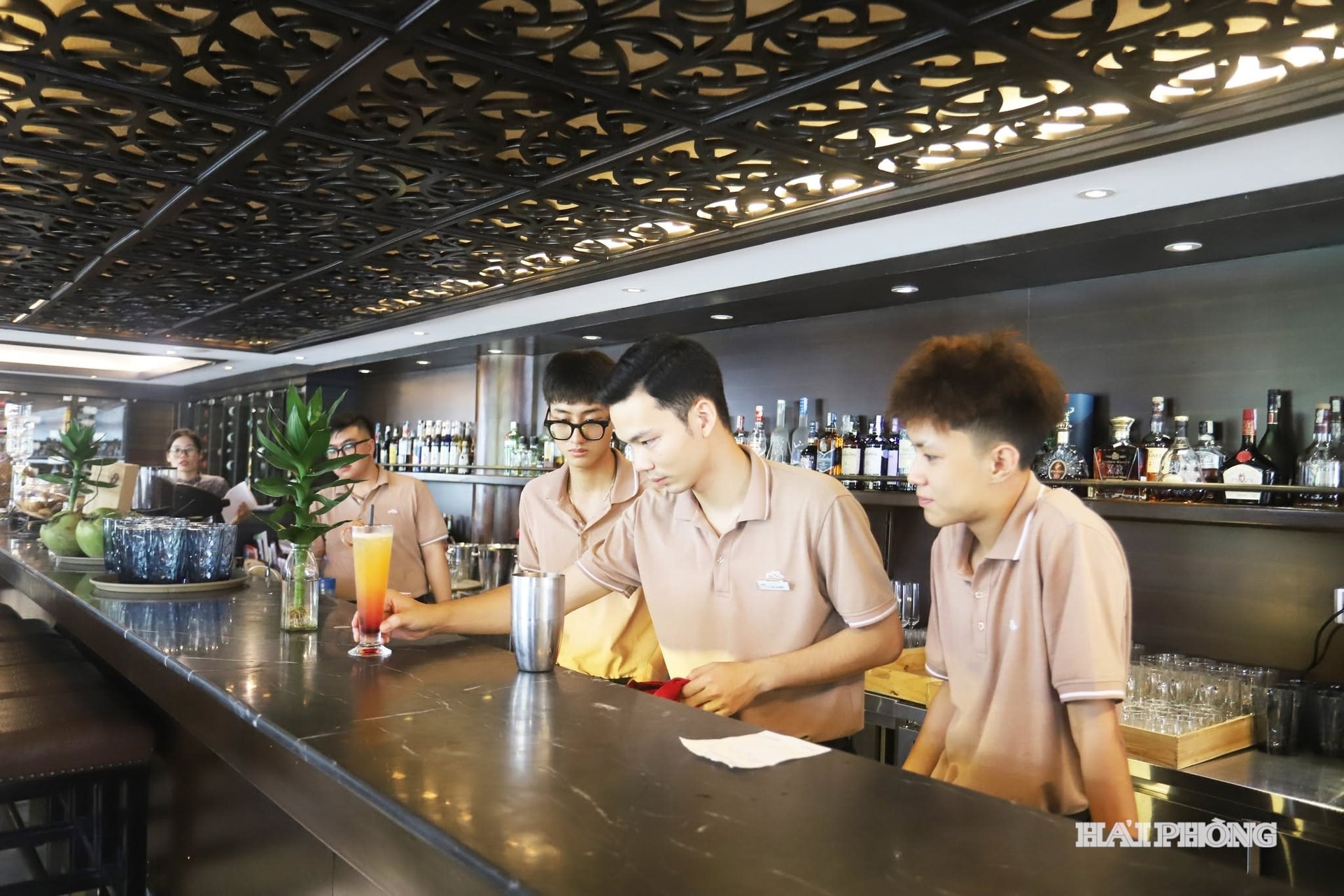
Hai Phong has identified tourism as one of the key pillars of its economic development. However, a gap remains between academic training and the practical requirements of the industry.
Tourism and services training institutions in the city have proactively adapted by diversifying programs ranging from hotel and travel management to culinary arts and logistics. A sound understanding of national and international occupational standards is essential for graduates entering the resort and high-end hotel sector.
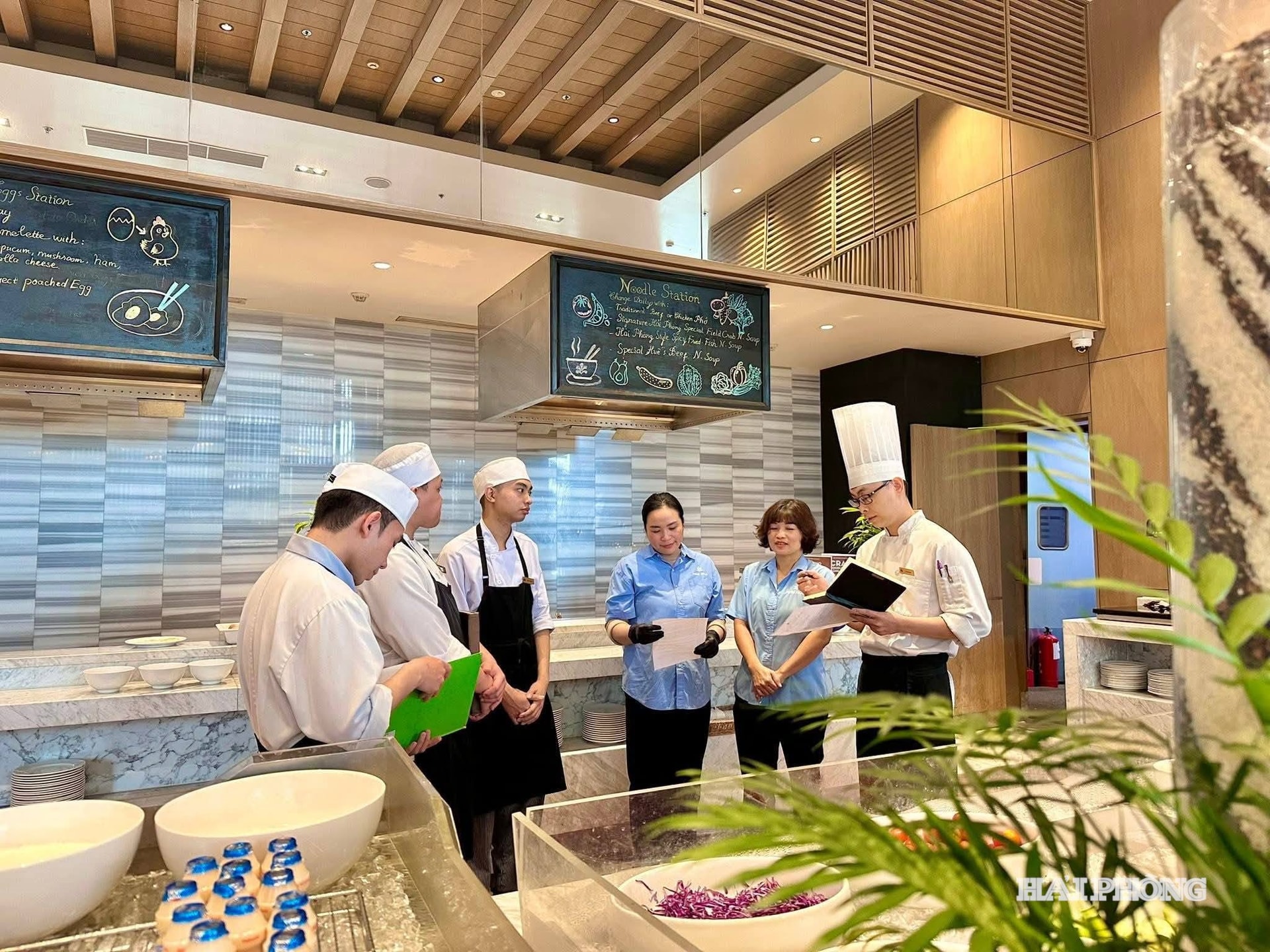
A key solution pursued in Hai Phong is the school-business partnership model. The approach goes beyond manpower supply and focuses on deeper cooperation in training.
In recent years, Hai Phong Tourism College has expanded cooperation with tourism and services businesses in Hai Phong, Quang Ninh and Hanoi, including Harbour View Hotel, now operating as Avani Hotel, Nam Cuong Hotel, Huu Nghi Hotel and Sunflower International Village. The college has also established partnerships with major groups including Sun Group, Vingroup, FLC and Muong Thanh, as well as luxury cruise operators in Ha Long and Tuan Chau.
The aim of these partnerships is to provide students with a professional training environment and access to modern facilities and real-world experience during their studies.
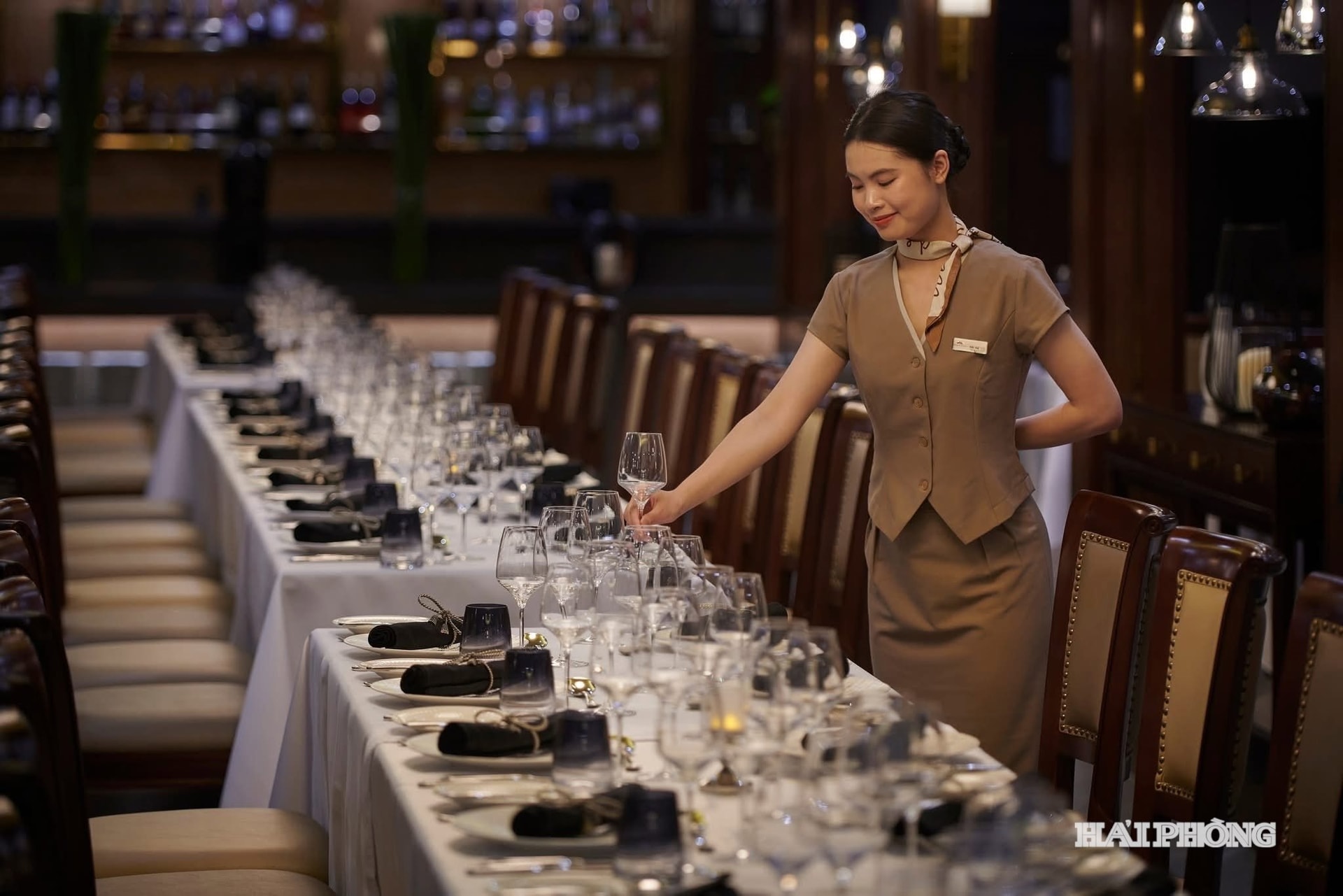
Partnering with educational institutions provides businesses with a source of trained workers to support their business strategies.
Nguyen Thi Ha, director of Hai Ha International Tourism and Media JSC, said training partnerships help businesses secure additional manpower while enabling them to monitor and select outstanding students who meet recruitment requirements through internships and practical training programs.
Alongside traditional forms of cooperation, educational institutions in Hai Phong are placing greater emphasis on digital transformation and the application of artificial intelligence in training. AI helps lecturers personalize learning pathways and provide learning materials tailored to the requirements of specific jobs.
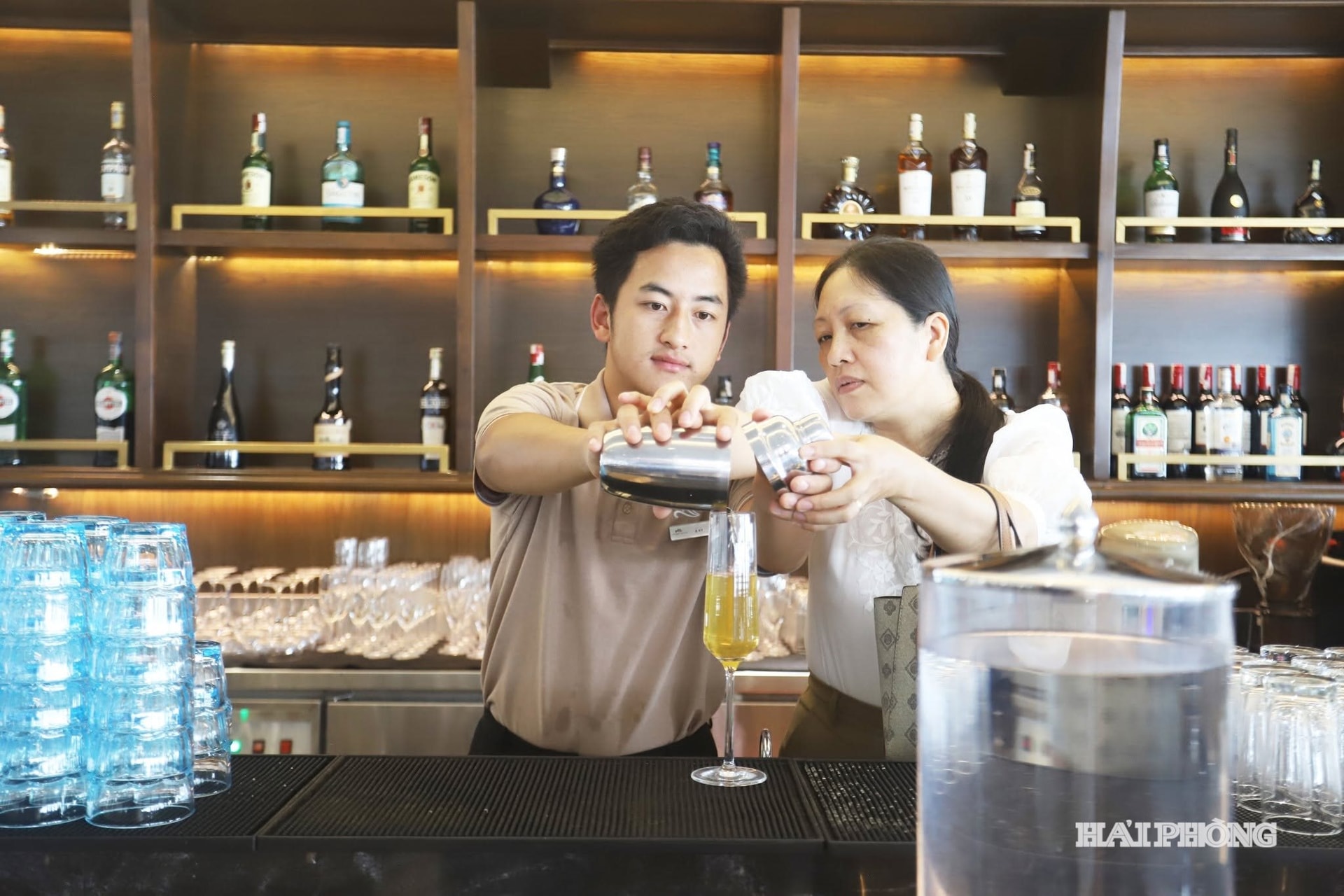
The Faculty of Tourism at Hai Phong University also regularly conducts research and assessments of training partnerships to adjust training objectives in line with market developments.
To achieve sustainable development goals, tourism workforce training in Hai Phong will require continued close coordination among stakeholders.
Mai Thi Hue, vice principal of Hai Phong Tourism College, said training institutions need to adopt a new mindset that places learners and business needs at the center. Businesses should provide students with greater access to real-world working environments and see this as a long-term investment in high-quality human resources.
Hai Phong News