.png "Cat Ba gains new momentum from inter-regional tourism development")

Gửi bình luận
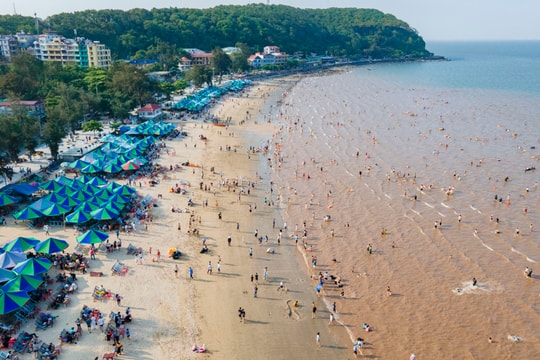
Not only being a seaside resort, Do Son also preserves a network of ‘red addresses’ rich in historical and touristic value.
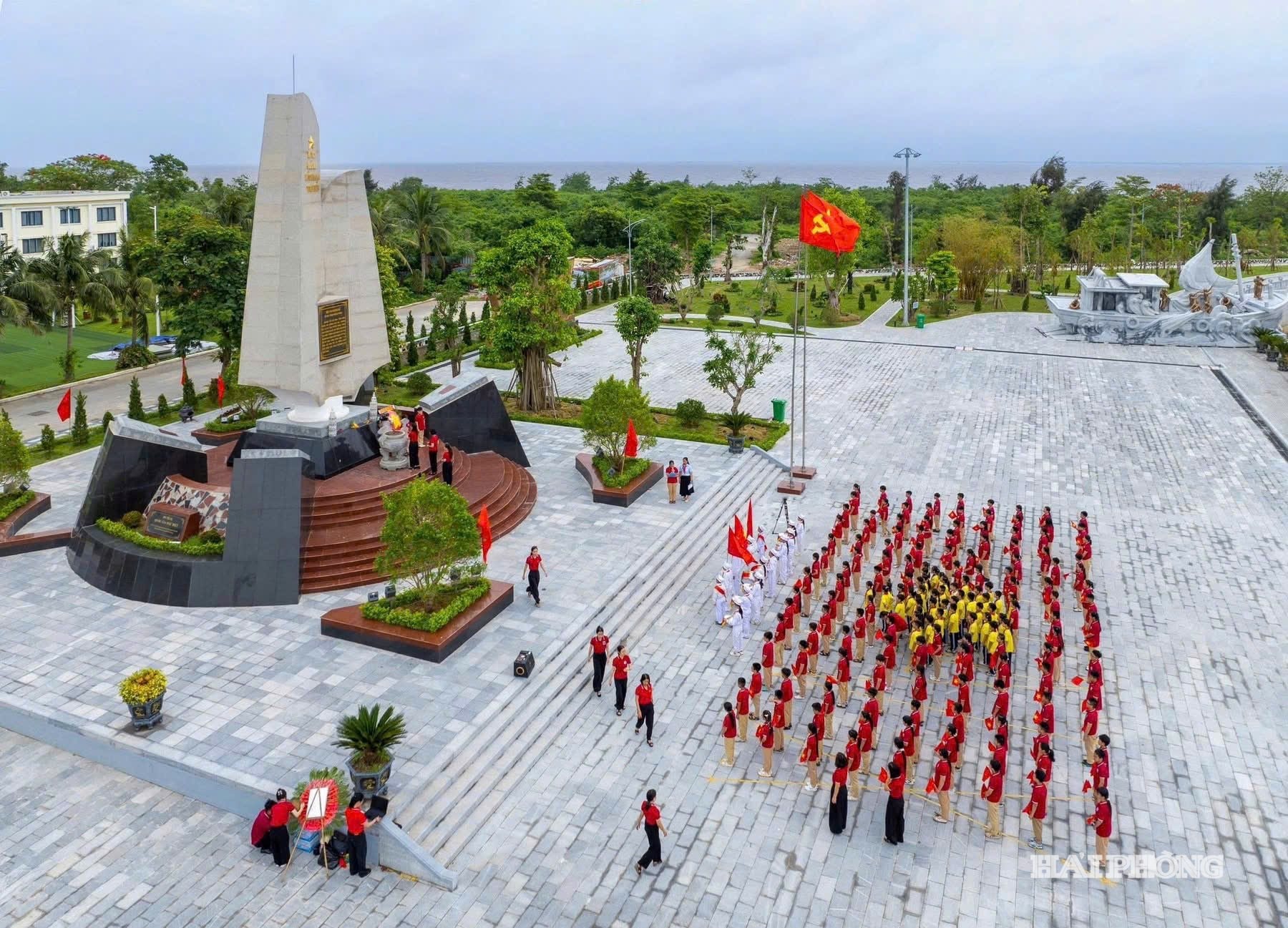
Beyond K15 Wharf, Do Son is home to numerous revolutionary historical sites that can be linked into an experiential tourism route imbued with the nation’s historical legacy.
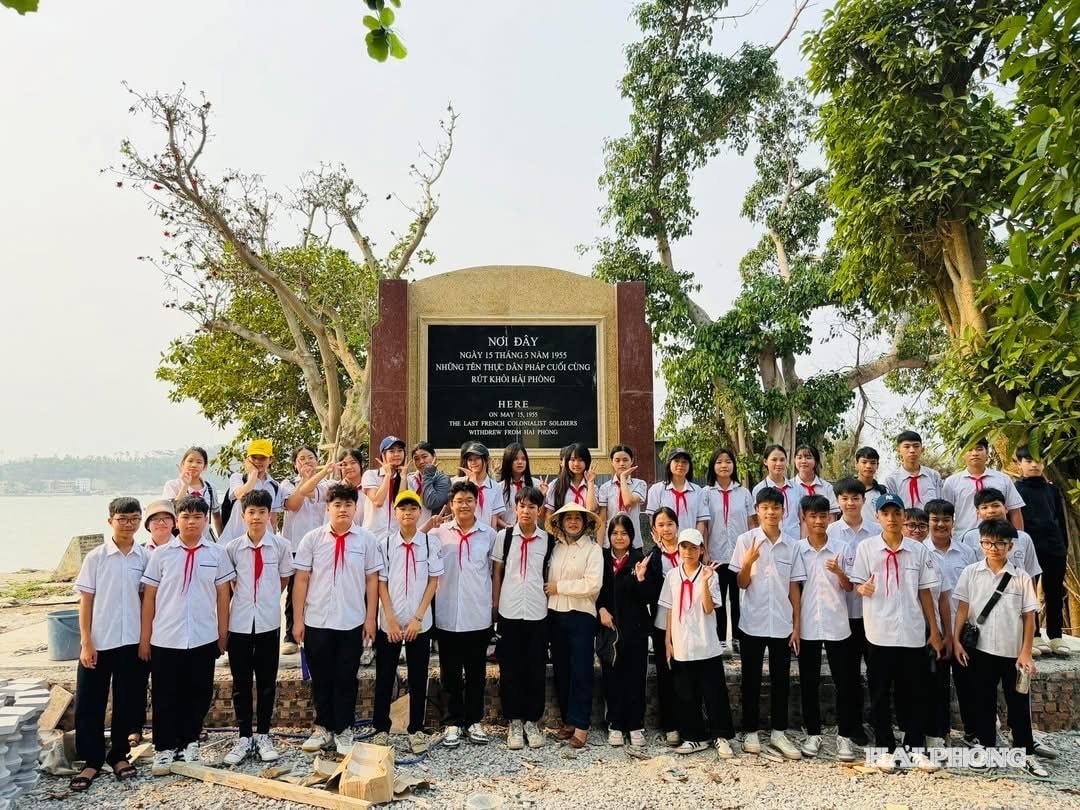
Nghieng Wharf is associated with many important milestones in the country’s history. The structure was built by French colonialists in the early 20th century for military purposes.
This was the place that witnessed the last French colonialist left Vietnam during the war against French colonial rule in the last century, marking the complete liberation of the northern region. In 2005, Nghieng Wharf was classified as a national-level historical monument, becoming one of Hai Phong’s notable ‘red addresses’.
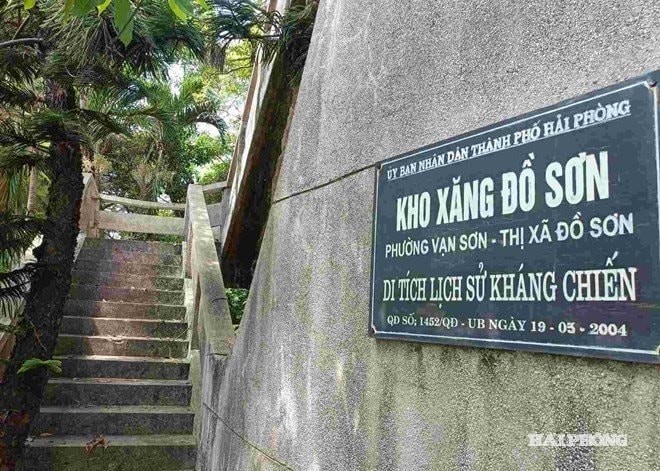
The Do Son fuel depot also holds special historical value. The facility was constructed by the French between 1951 and 1952 to serve military operations in Hai Phong and the Northern battlefield.
The site received city-level recognition as a revolutionary historical monument in 2004, commemorating the heroic achievements of Do Son’s soldiers and people during the resistance against French colonialism.
These historical landmarks create a distinctive value, that few other coastal tourist destinations can claim. They also provide an important foundation for developing cultural and historical tourism products linked to patriotic education.
Hai Phong News