

Gửi bình luận
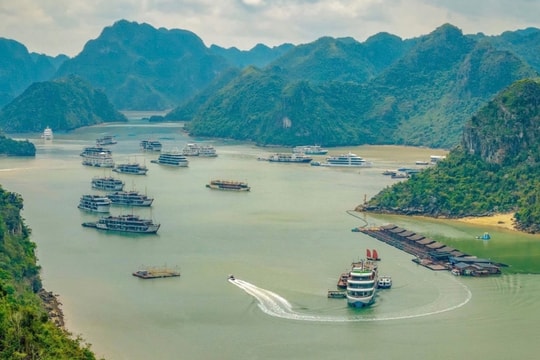
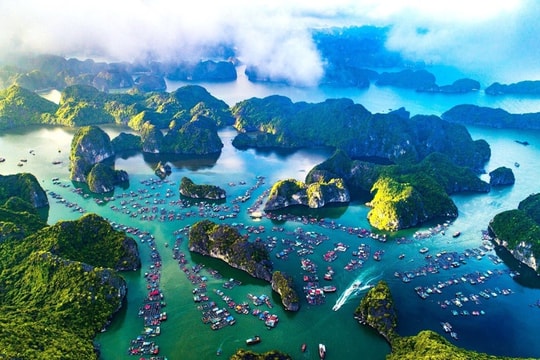
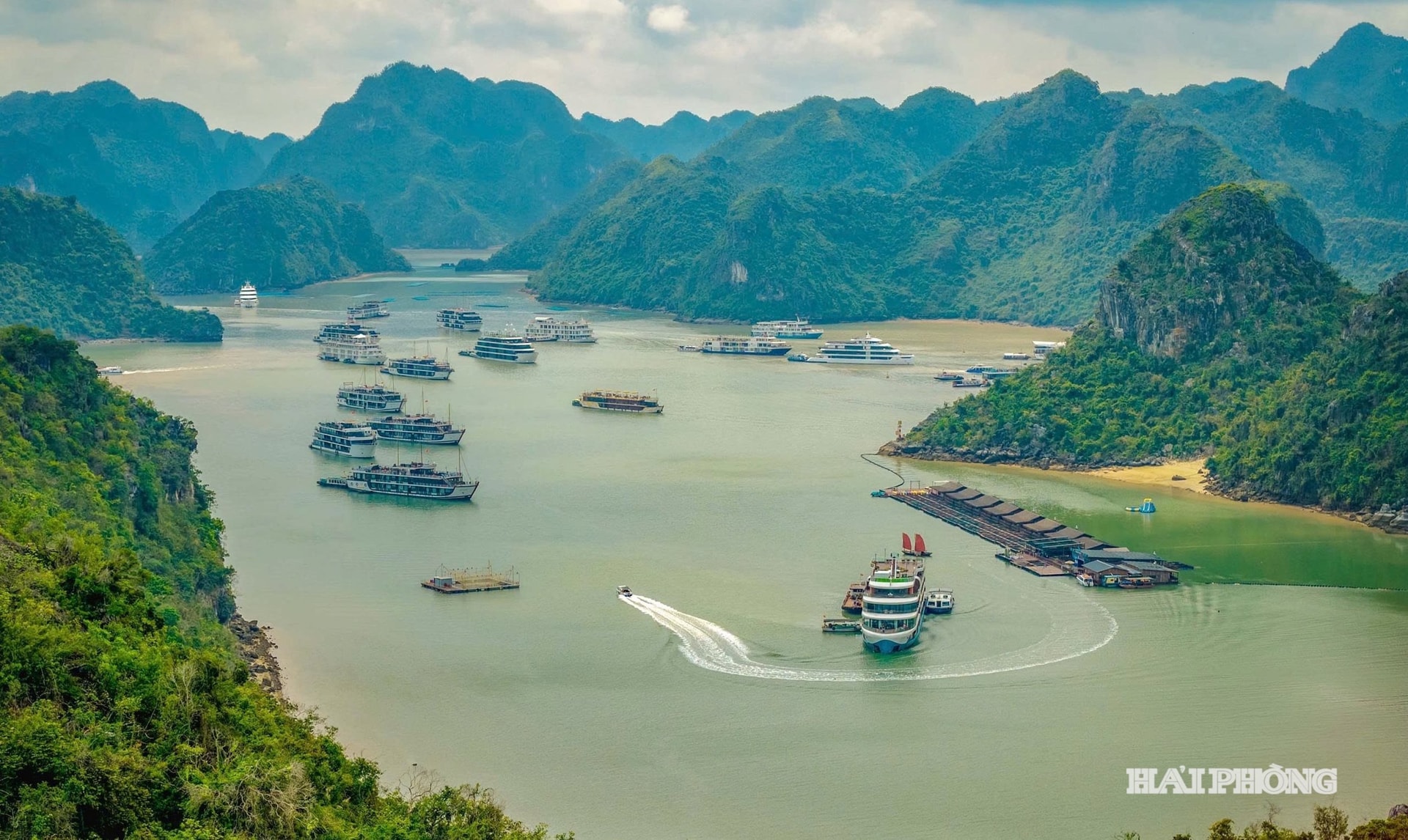
Tourism routes connecting Ha Long Bay and Lan Ha Bay have become attractive travel products, offering visitors the opportunity to explore the natural landscapes, cultural values, and unique coastal lifestyle of local communities across both heritage bays.
A journey rich in experiences
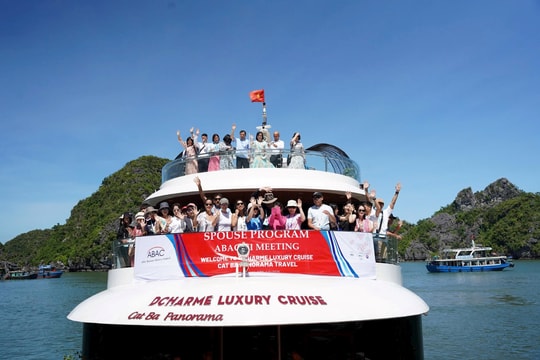
The tourism routes connecting Ha Long Bay and Lan Ha Bay officially began operations on April 20, 2026, and have quickly emerged as an attractive inter-regional tourism product for both domestic and international visitors. In less than a month of operation, by May 19, four cruise vessels from Quang Ninh and Hai Phong had completed 51 voyages, serving more than 2,200 passengers. Notably, the majority of visitors were international tourists, highlighting the appeal of the journey connecting the two renowned coastal heritage bays.
Currently, cruise operators mainly run the Ha Long 3 – Lan Ha and Ha Long 6 – Lan Ha routes out of the four officially licensed routes linking Quang Ninh and Hai Phong. Beyond being simple sightseeing tours, these routes offer travelers opportunities to explore the cultural, historical, ecological, and daily-life values of local coastal communities.
Among them, the Ha Long 3 – Lan Ha route is considered one of the most experience-rich itineraries. Visitors can explore a series of famous destinations including the Cua Van Floating Cultural Center, Tien Ong Cave, Ba Ham Lake, and Ba Men Temple in Ha Long Bay, before continuing to iconic attractions in Lan Ha Bay such as Tra Bau, Sang Cave and Toi Cave, Ba Trai Dao, Viet Hai Gate, Rua Islet, and Cai Beo Fishing Village.
Tien Ong Cave has impressed many visitors with its combination of natural beauty and archaeological significance. Besides its striking stalactite formations, the cave preserves traces of ancient Vietnamese inhabitants belonging to the Soi Nhu culture dating back approximately 8,000–10,000 years. Artifacts such as shells, stone tools, and animal bones discovered inside the cave have helped reveal the long history of prehistoric settlement in the bay area.
Another destination popular among tourists is Ba Ham Lake, a system of three interconnected lakes linked by submerged caves running through limestone mountains, creating an isolated space amid untouched nature. Paddling through the dark caves into the lakes gives visitors the feeling of entering a completely different world, surrounded by emerald waters, lush vegetation covering limestone cliffs, and diverse wildlife.
Bordering the Lan Ha Bay area is Ba Men Temple, a spiritual site long associated with fishermen in northeastern coastal regions. The temple is tied to local beliefs praying for safety and good fortune at sea, making it a unique cultural highlight of the bay exploration journey.
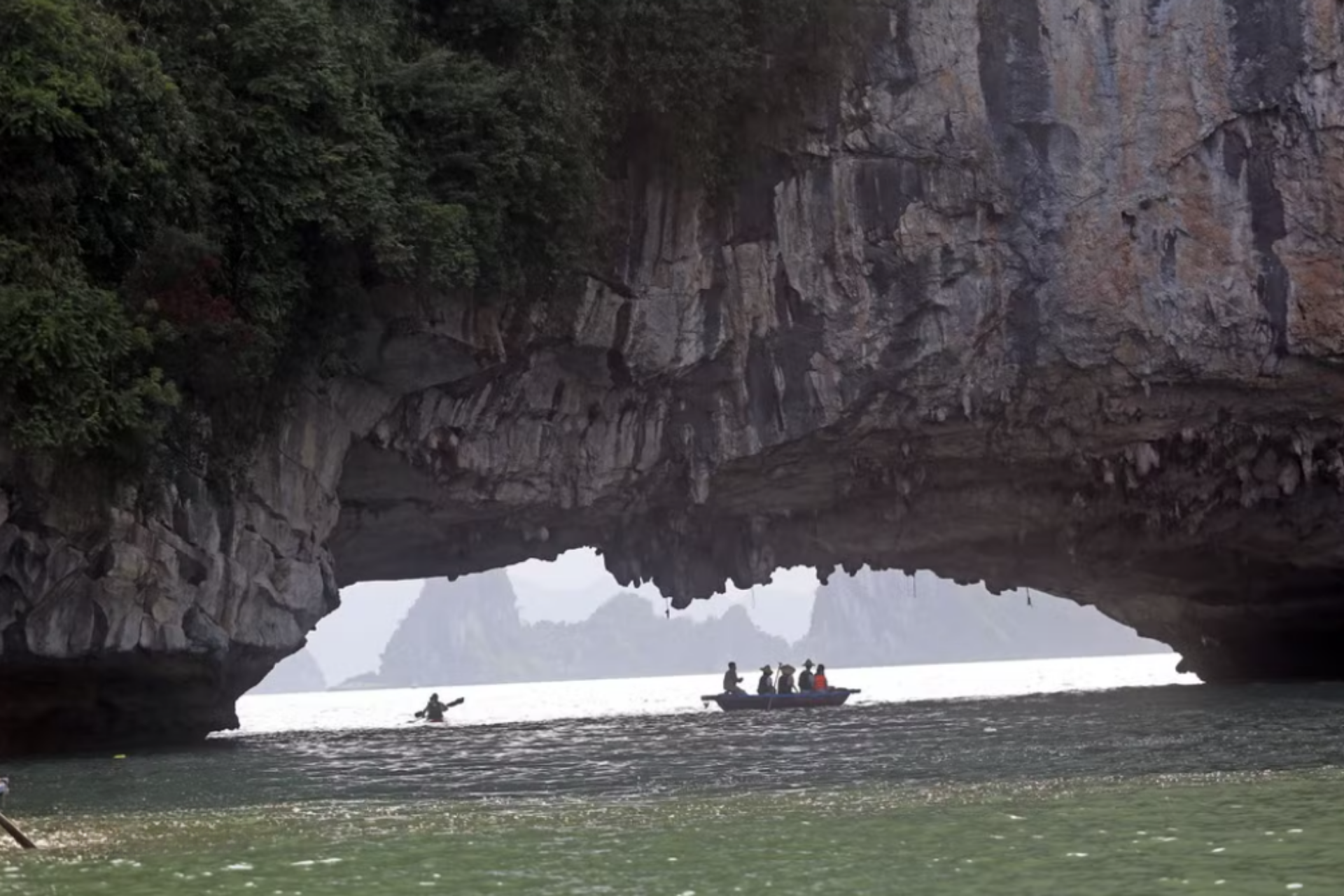
In Lan Ha Bay, many attractions continue to provide memorable experiences for visitors. Rua Islet stands out for its pristine beauty amid jade-green waters. Bright Cave and Dark Cave attract tourists with kayaking journeys through a roughly 70-meter-long cave leading into a vast enclosed lagoon surrounded by limestone mountains. Meanwhile, the Ba Trai Dao area is famous for its crescent-shaped sandy beaches, crystal-clear waters, and tranquil atmosphere ideal for swimming, kayaking, and resort vacations.
Beyond their stunning natural scenery, the tourism routes connecting Ha Long Bay and Lan Ha Bay also offer visitors the opportunity to experience the cultural life of coastal communities. At Tra Bau Fishing Village, tourists can join local fishermen in catching seafood, prepare dishes themselves and enjoy meals right on floating houses. This activity is especially popular among international visitors because it provides an authentic local cultural experience.
To reach Viet Hai Village, visitors travel by electric vehicle along a roughly 5-kilometer route through Cat Ba National Park. The lush green mountains and forests create an interesting contrast to the surrounding seascape. Here, tourists can learn about local life, enjoy traditional cuisine or experience distinctive community-based tourism services.
Meanwhile, Cai Beo Fishing Village is considered one of Vietnam’s oldest floating fishing villages. Visitors can kayak around floating homes, learn about aquaculture activities and experience the peaceful rhythm of life on the bay. With a history spanning thousands of years, Cai Beo is not only a tourist attraction but also an important part of Vietnam’s maritime cultural heritage.
In addition to the Ha Long 3 – Lan Ha route, other connected tourism routes also offer a variety of experiences. The Ha Long 6 – Lan Ha route focuses on pristine natural beauty with destinations such as Chan Voi Islet, Ba Cua Lagoon, Tung Lam Island and Cap Bai Islet. Continuous limestone mountain ranges and rich mangrove ecosystems create a unique charm for this route.
Meanwhile, the Ha Long 4 – Lan Ha route combines scenic sightseeing with cultural experiences through destinations such as Co Cave, Thay Cave, Cap La Cave and Vong Vieng Fishing Village. Visitors also have opportunities to participate in activities such as bamboo-boat rowing, kayaking, dragon boat racing, seafood tasting and learning about pearl farming.
For first-time visitors to Ha Long Bay, the Ha Long 5 – Lan Ha route is an ideal choice as it passes many iconic landmarks of the heritage site, including Thien Cung Cave, Dau Go Cave, Cho Da Islet, Dinh Huong Islet and Trong Mai Islet. This route allows visitors to admire some of the most representative landscapes of Ha Long Bay in a single journey.
The launch of tourism routes connecting Ha Long Bay and Lan Ha Bay not only expands travel experiences for visitors but also helps shape a distinctive inter-regional tourism product. The combination of majestic natural landscapes, long-standing cultural values and the vibrant life of fishing communities is creating a unique appeal for this cross-heritage journey.
In the future, as cruise systems and tourism services continue to receive synchronized investment, these routes are expected to offer even more diverse experiences for travelers while effectively promoting the image of the UNESCO World Heritage Site Ha Long Bay – Cat Ba Archipelago Recognition and supporting sustainable tourism development in the region.
Hai Phong News