.jpg "Weekend market offers glimpse of rural life in Hai Phong")
.jpg "A unique once-a-year Tet market")

Gửi bình luận
Village markets held at historical sites and festivals across Hai Phong City are attracting large numbers of residents and visitors.
Evoking memories, creating experiences
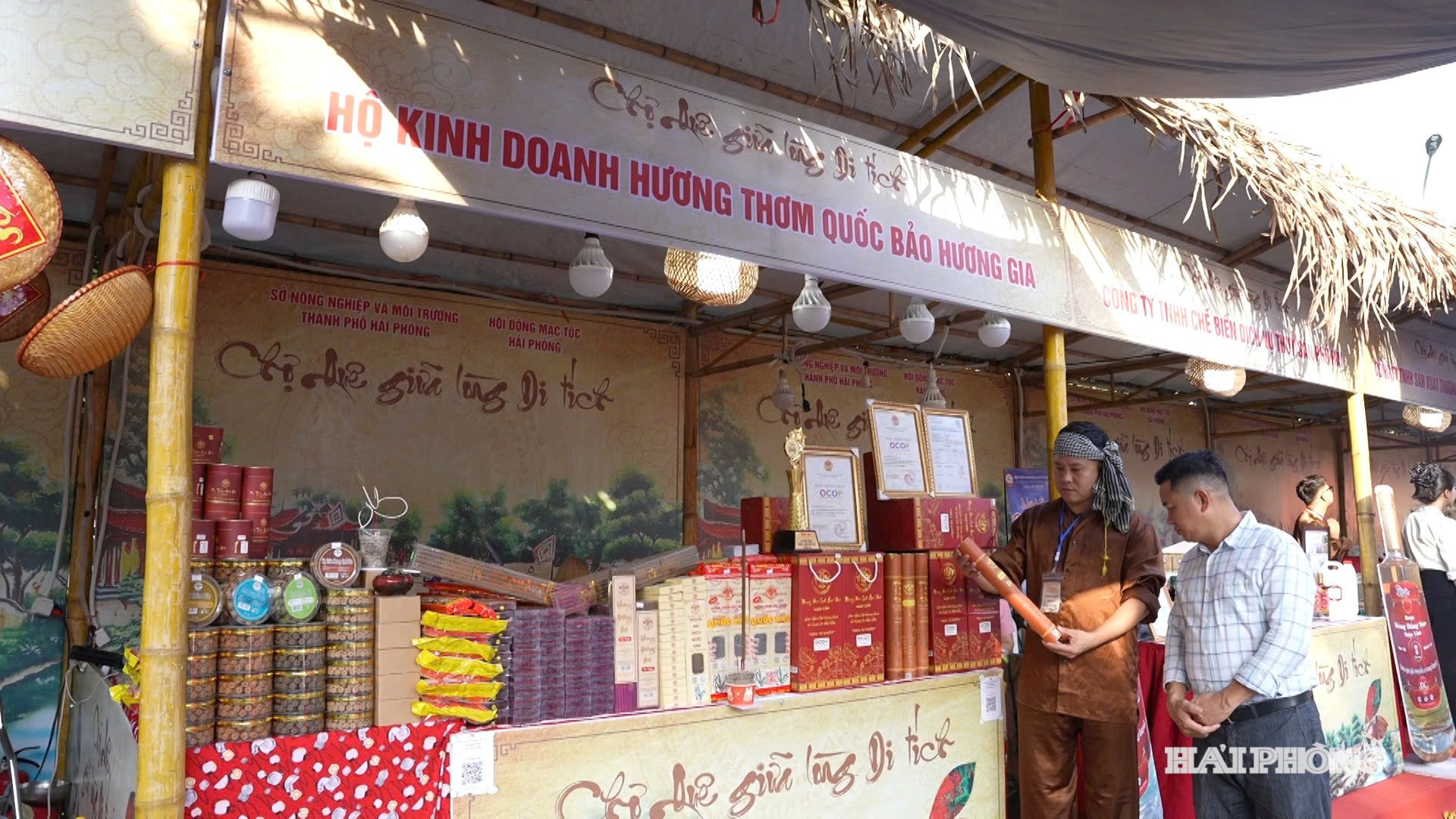
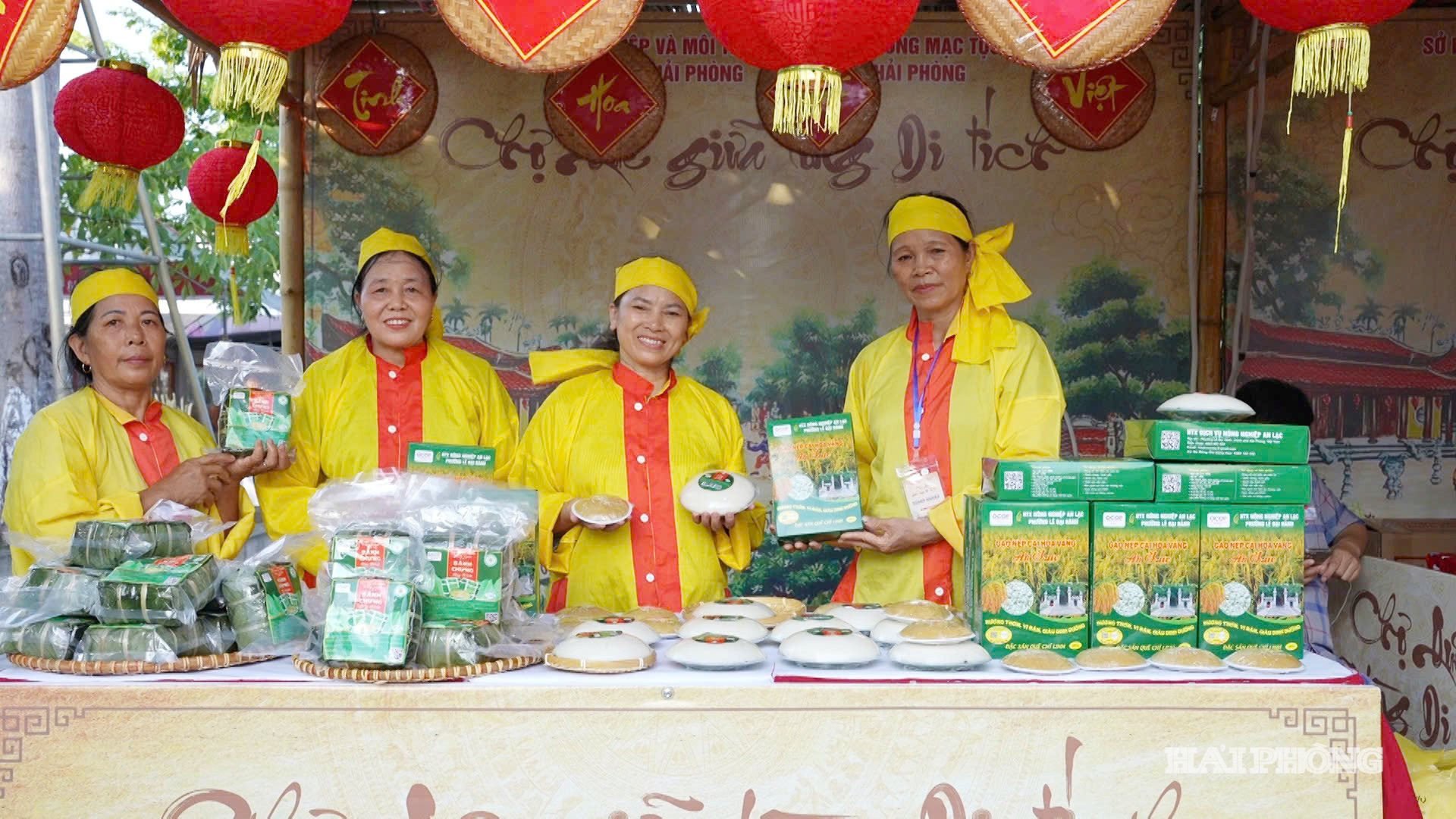
At the end of July, the 4th Mac Dynasty-era Village Market 2026, themed “A village market in the heart of a heritage site,” was held at the special national relic site dedicated to the worship of Mac kings in Kien Hung Commune, attracting large numbers of residents and visitors.
Featuring 50 stalls showcasing hundreds of OCOP products, specialties and signature agricultural products from Hai Phong following the administrative merger, along with performances of folk singing and water puppetry, the market created a vibrant space imbued with the character of a traditional northern Vietnamese village.
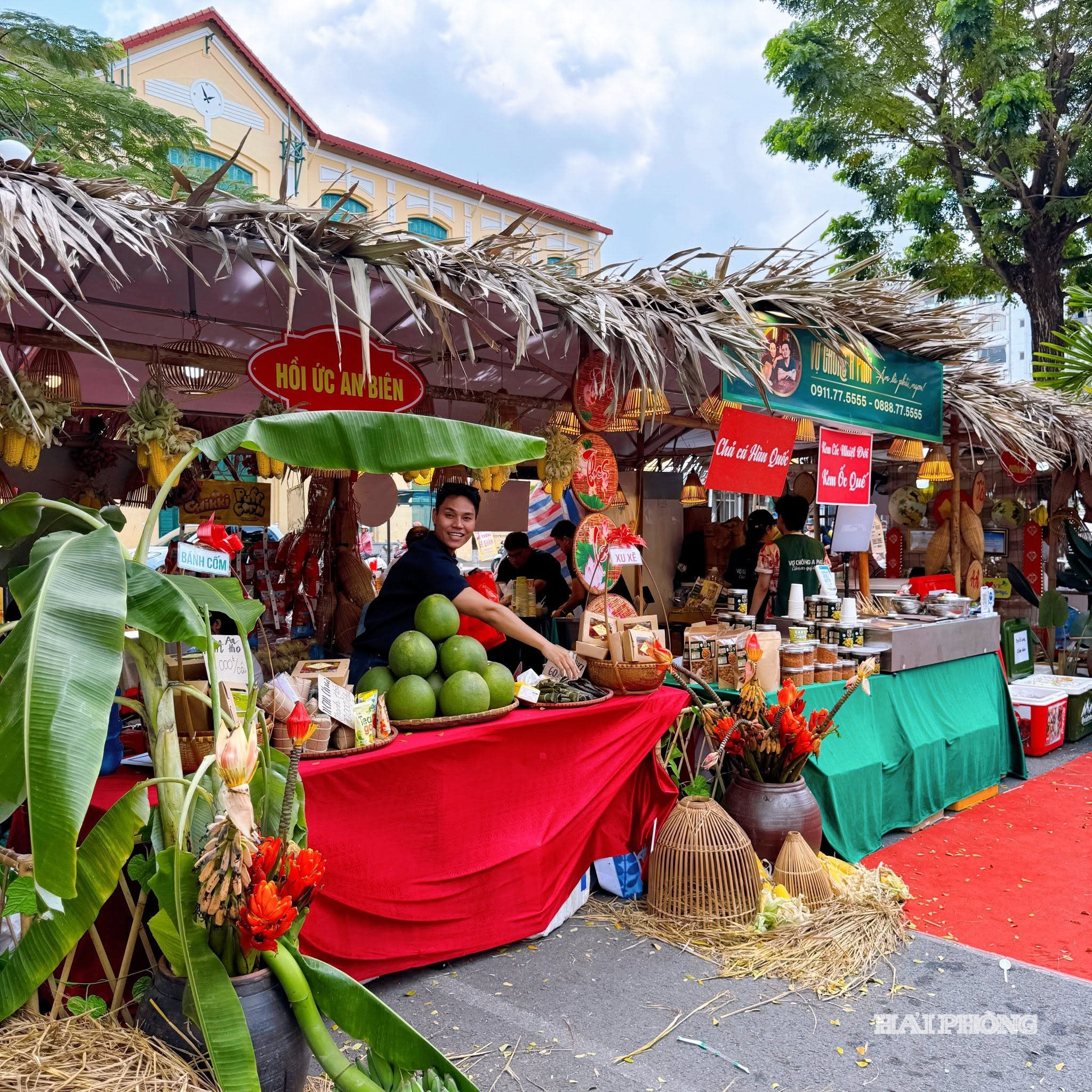
Earlier, the Ven Village Market, held as part of the traditional Le Chan Female General Festival in An Bien Ward, also impressed visitors by recreating a northern Vietnamese market associated with the ancient An Bien area, while combining local cuisine and products with folk arts and traditional games.
Meanwhile, the village market at the Thanh Mai Pagoda Festival 2026 in Nguyen Trai Ward offered visitors a variety of hands-on experiences, including making cakes and extracting honey with artisans.
What these models have in common is their focus on the cultural value of village markets. While the Mac Dynasty-era Village Market is associated with the heritage site and promotes OCOP and local agricultural products, the Ven Village Market stands out for its cuisine and folk arts, and the village market at the Thanh Mai Pagoda Festival leaves its mark through hands-on activities linked to craft villages.
New approaches needed
For generations, Vietnamese village markets have been held on a regular schedule, serving as community spaces where people trade, socialize and preserve customs. This regularity has given village markets enduring vitality, allowing them to transcend their simple role as places for exchanging goods.
According to Dr. and Architect Nguyen Thu Hanh, Chairwoman of the Union for Sustainable Tourism Development Sciences, as tourism increasingly places greater emphasis on experiences, what matters is not only what resources a locality possesses but also how it creates distinctive products to attract visitors. For village markets, simply recreating traditional spaces is not enough; they should incorporate experiences linked to local products, traditional crafts and the needs of today’s visitors.
Nguyen Dinh Chinh, Chairman of the Hai Phong Association of Vietnamese Folk Arts and Literature, said village markets are an important component of Vietnamese village culture. Their restoration is necessary, but if they are to become tourism products, organizers must avoid turning them into mere performances. Markets should recreate an authentic atmosphere of trading and community life, allowing visitors to become part of the experience rather than simply come to look around and take photos.
In this context, holding regular village markets at eco-tourism sites, cultural spaces, museums or pedestrian streets could open up new avenues for exploitation. With the regular participation of artisans, craft villages and local producers, combined with culinary and cultural experiences, village markets could become distinctive tourism products, helping preserve local cultural values, expand markets for local products and promote sustainable community-based economic development.
HA LINH
.jpg "Hai Phong to launch pedestrian streets and night market in city center")