


Gửi bình luận
A special art program has recreated the historic autumn of 1946, evoking deep emotions surrounding President Ho Chi Minh’s first visit to Hai Phong.
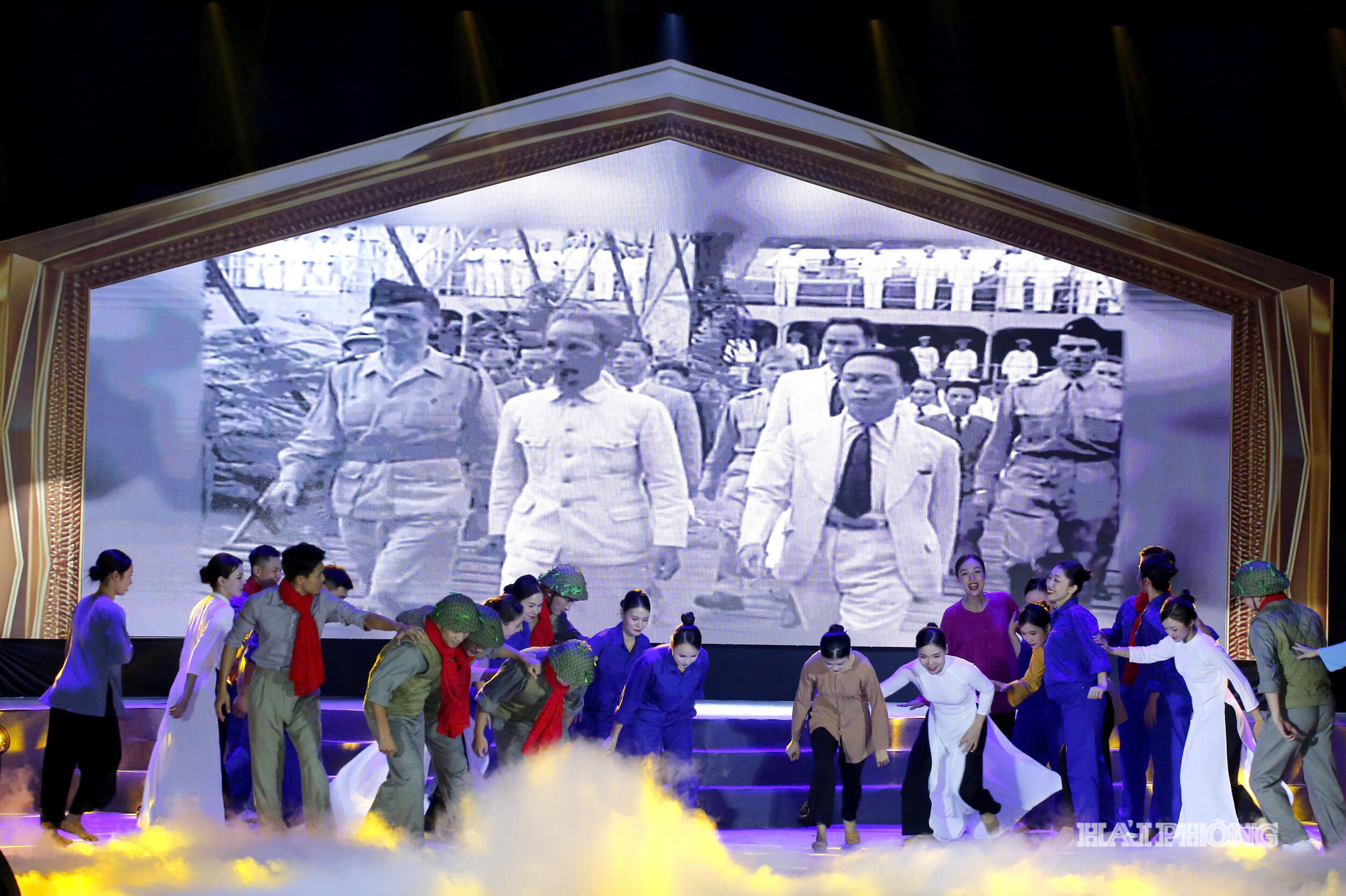
On the evening of October 20, the special political and artistic program “President Ho Chi Minh’s voice echoes through the autumn of the port city” was staged at the August Theater to mark the 80th anniversary of his first visit to Hai Phong on October 20 and 21, 1946.
Attending the program was Nguyen Quang Phuc, Member of the Standing Board of the City Party Committee and head of its Propaganda Department, along with representatives of departments, agencies, and localities, as well as a large number of officials, Party members, and residents of the city.
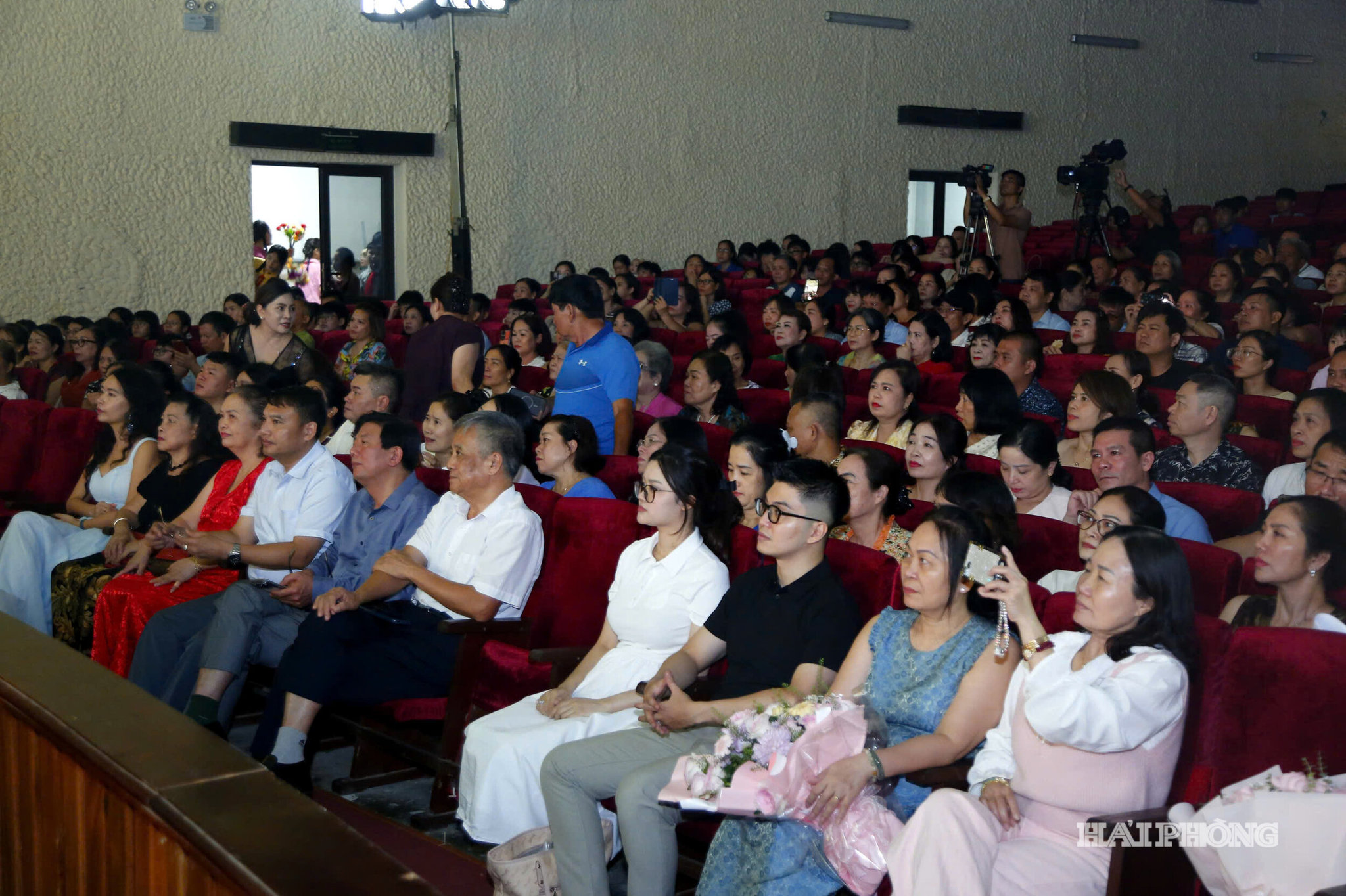
The program was recorded and broadcast on channels of the Hai Phong Newspaper, Radio, and Television, bringing historical stories to a wide audience.
Through music, dramatic scenes, dance and archival materials, the program recreated President Ho Chi Minh’s visit to Hai Phong in the historic autumn of 1946, when soldiers and people across the port city joyfully welcomed him.
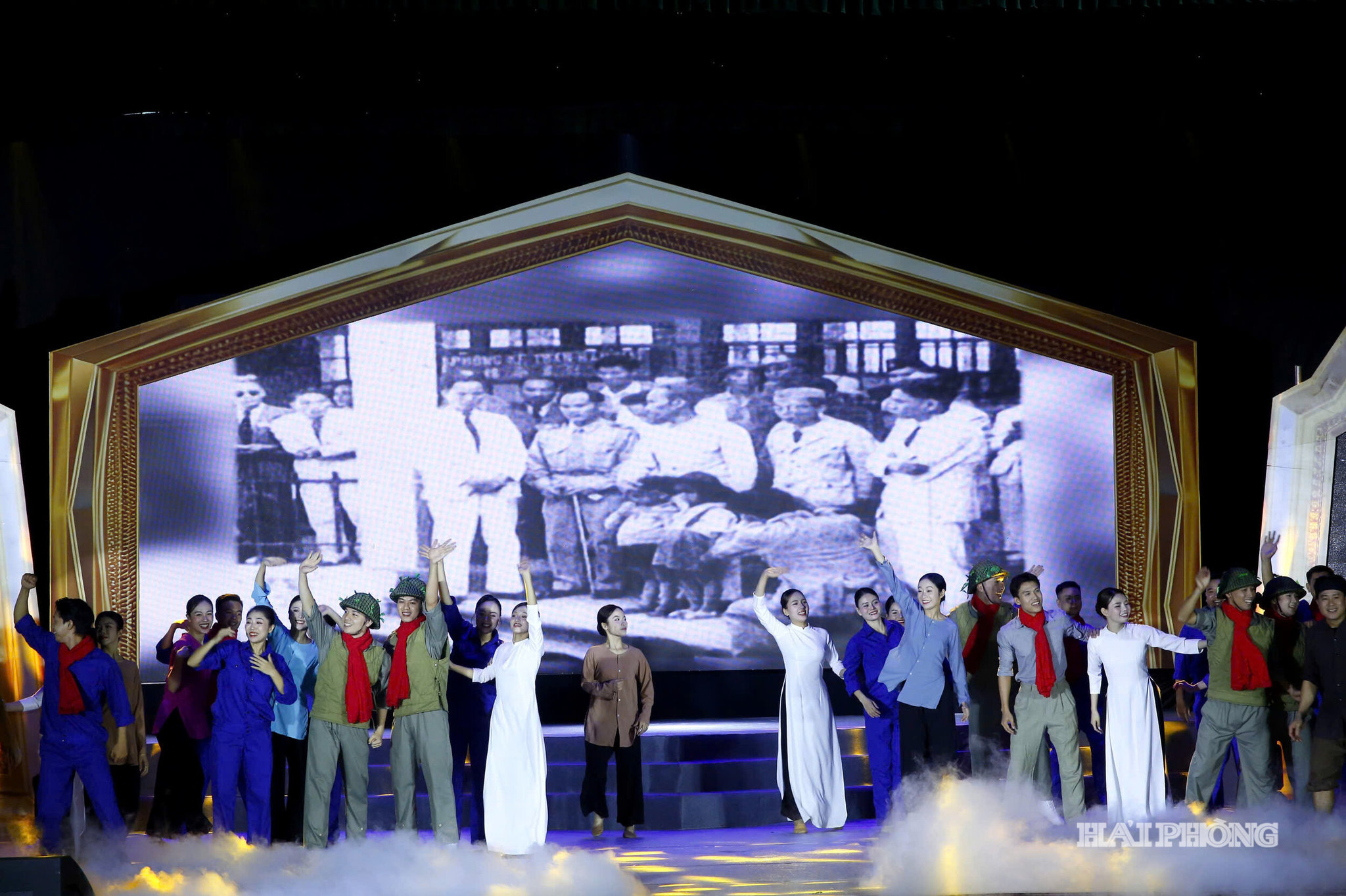
From the historic Ngu Wharf, the narrative took audiences back to that sacred moment, when his warm greetings and heartfelt guidance became a profound source of encouragement for the city.
The emotional journey continued through milestones in Hai Phong’s construction, struggles and development. The program portrayed a resilient and dynamic city that has continually strived to move forward, carrying with it President Ho Chi Minh’s trust and affection.
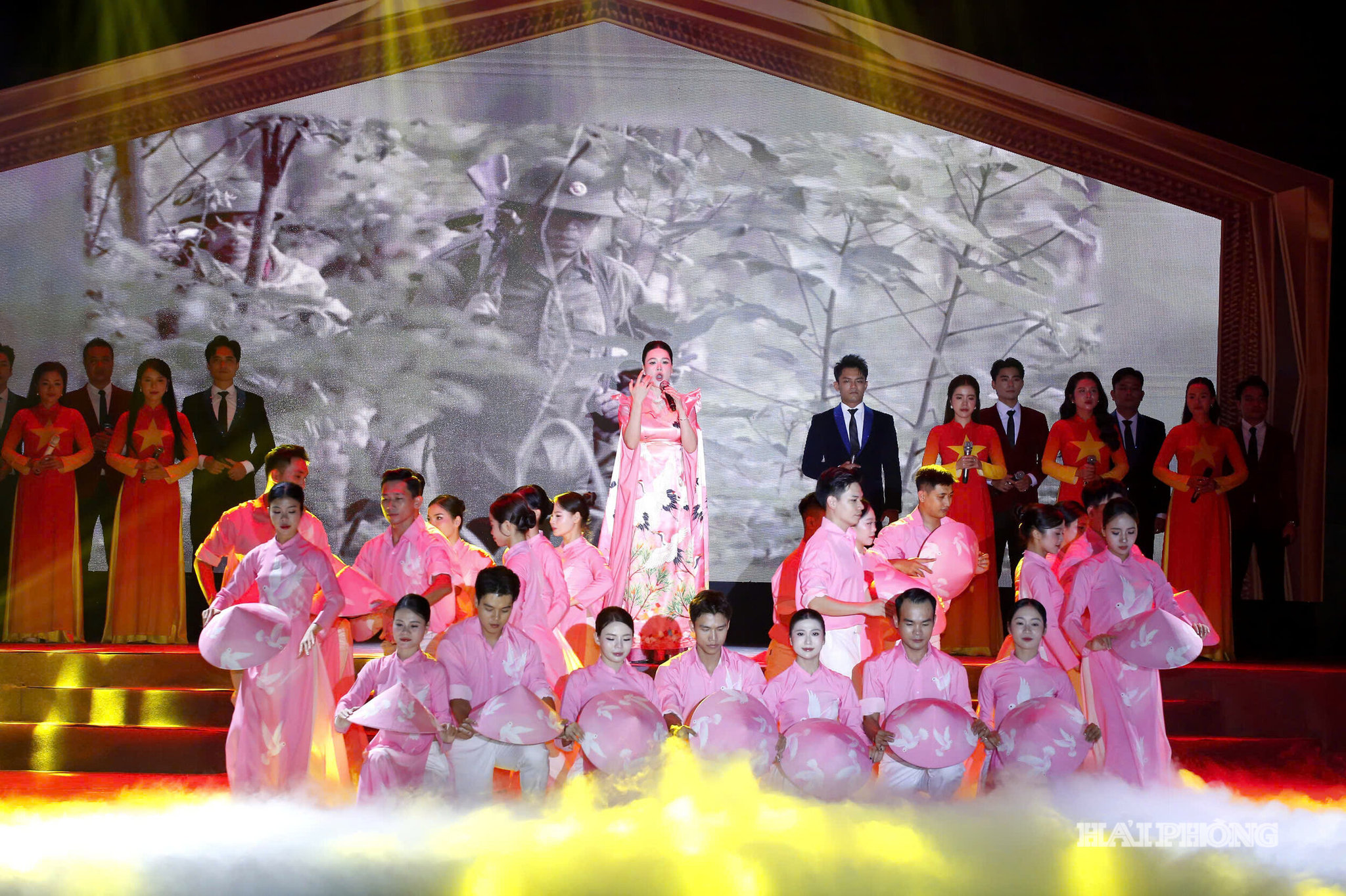
Intimate stories and practical guidance highlighted the historical and cultural ties between Hai Phong and Hai Duong, while reminding audiences of their responsibility to preserve and promote the values built by previous generations.
Eighty years on, President Ho Chi Minh’s words continue to resonate in the life of the city, serving as a spiritual foundation for generations today to nurture patriotism, pride and a commitment to studying and following his thought, morality, methods and style.
HAI HAU – DO HIEN