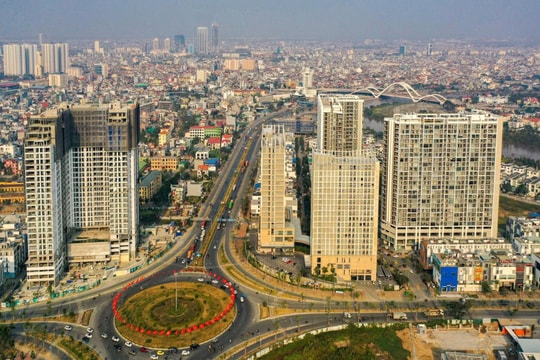
.jpg "Hai Duong city’s Ring Road I to link regions and expand urban development space")

Gửi bình luận
Hai Phong’s total natural area by 2030 is expected to increase by more than 5,600 ha compared with 2024, with most of the additional area coming from land reclamation from the sea.
Demand driven by reality
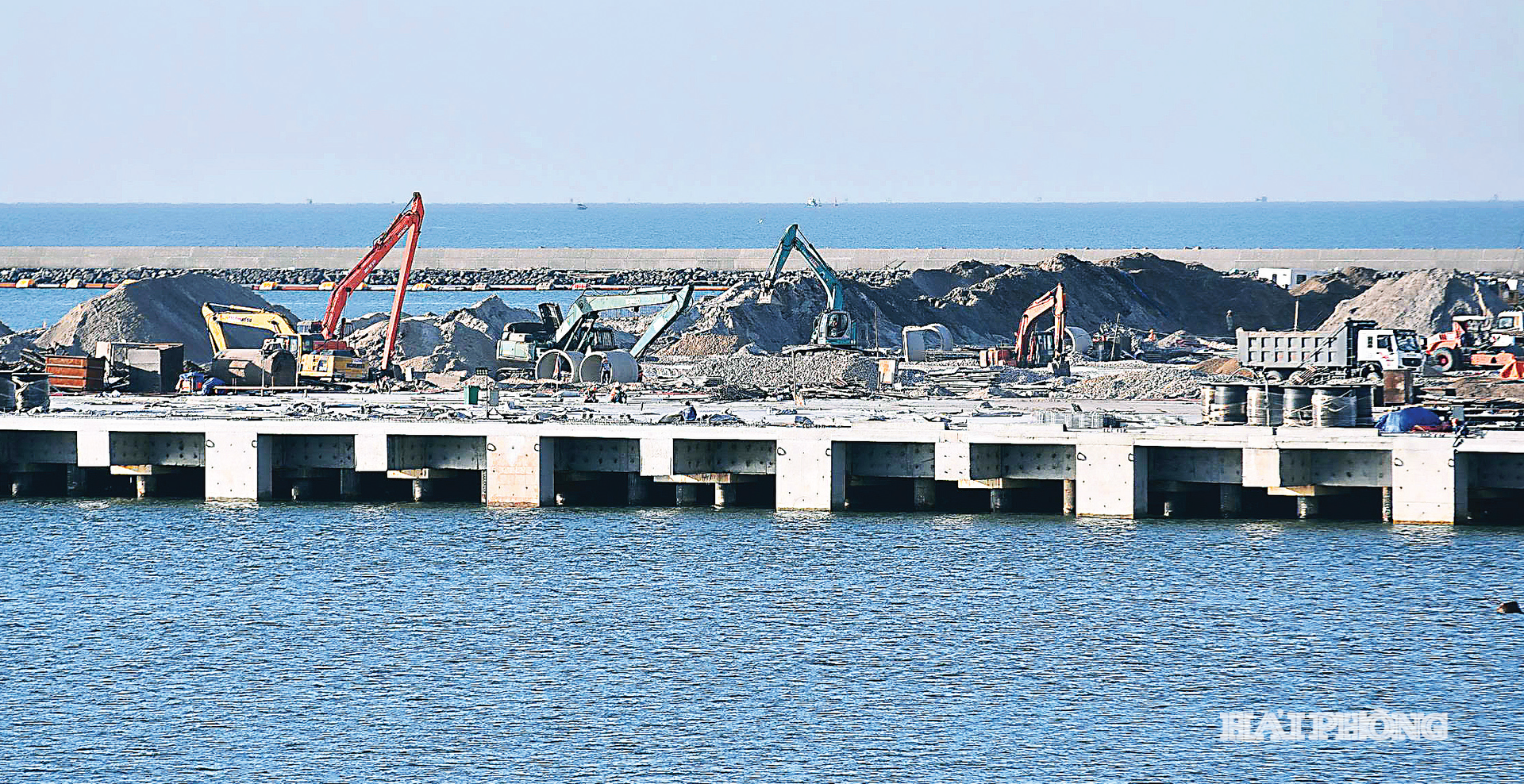
The Hai Phong People’s Council approved a five-year land-use plan for the 2021 – 2025 period at its 29th session in July 2025. Accordingly, the city’s total natural land area was adjusted to increase by 930.41 ha through land reclamation from the sea. Of this, more than 728 ha were allocated for industrial parks, more than 201 ha for transport infrastructure, and the remaining area for historical and cultural relics and scenic sites.
To facilitate economic restructuring toward industry, services, and logistics, the city continued to accelerate the implementation of coastal and land reclamation investment projects for socio-economic development. Four land reclamation projects have been assigned sea areas and are under implementation.
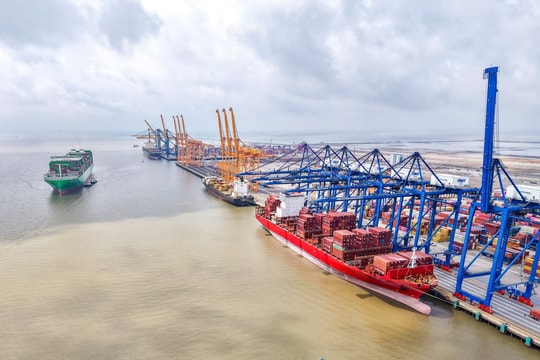
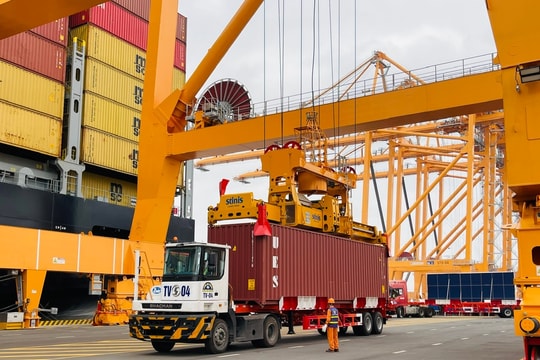
Specifically, these projects include Xuan Cau industrial park and non-tariff zone with a total area of 752 ha, of which 728 ha were reclaimed from the sea; the Hai Phong international gateway port in Lach Huyen, covering 681.7 ha, with completion scheduled for 2024 – 2025 phases; the South Do Son Port with a total area of 3,000 ha, including 2,900 ha of reclaimed land; and Do Son – Ben Nghieng tourism and services with 1.9 ha of reclaimed land.
Based on the progress of coastal projects and infrastructure development needs for ports, industry, and tourism, the city is expected to propose adding nearly 5,000 ha of reclaimed land during the 2025 – 2030 period, adjusting its total natural area accordingly.
According to Duong Dinh On, Deputy Director of the city Department of Agriculture and Environment, land fund development is critically important for all countries because natural land area does not increase. Therefore, implementing land reclamation projects to create new land resources is of great significance to the city’s development.
Planning for exploitation and use
Hai Phong is forming its master plan for the 2021 – 2030 period, with a vision to 2050. Under the draft plan, the city sets an overall goal by 2030 of optimizing land-use structure to facilitate economic restructuring toward industry, services, and logistics, thereby increasing the proportion of non-agricultural land in line with the city’s development orientation.
The mobilization of unused land and additional land from reclamation activities will be carried out in accordance with planning, creating additional resources to serve long-term sustainable development.
For reclaimed areas, Hai Phong will expand land reserves for industry, services, logistics, and tourism in Lach Huyen, Xuan Cau, South Do Son, Doi Rong, Hon Dau, and Ben Nghieng. Reclaimed land area is expected to reach 5,600 ha by 2030 and 7,400 ha by 2050, serving as a strategic land reserve for coastal urban development.
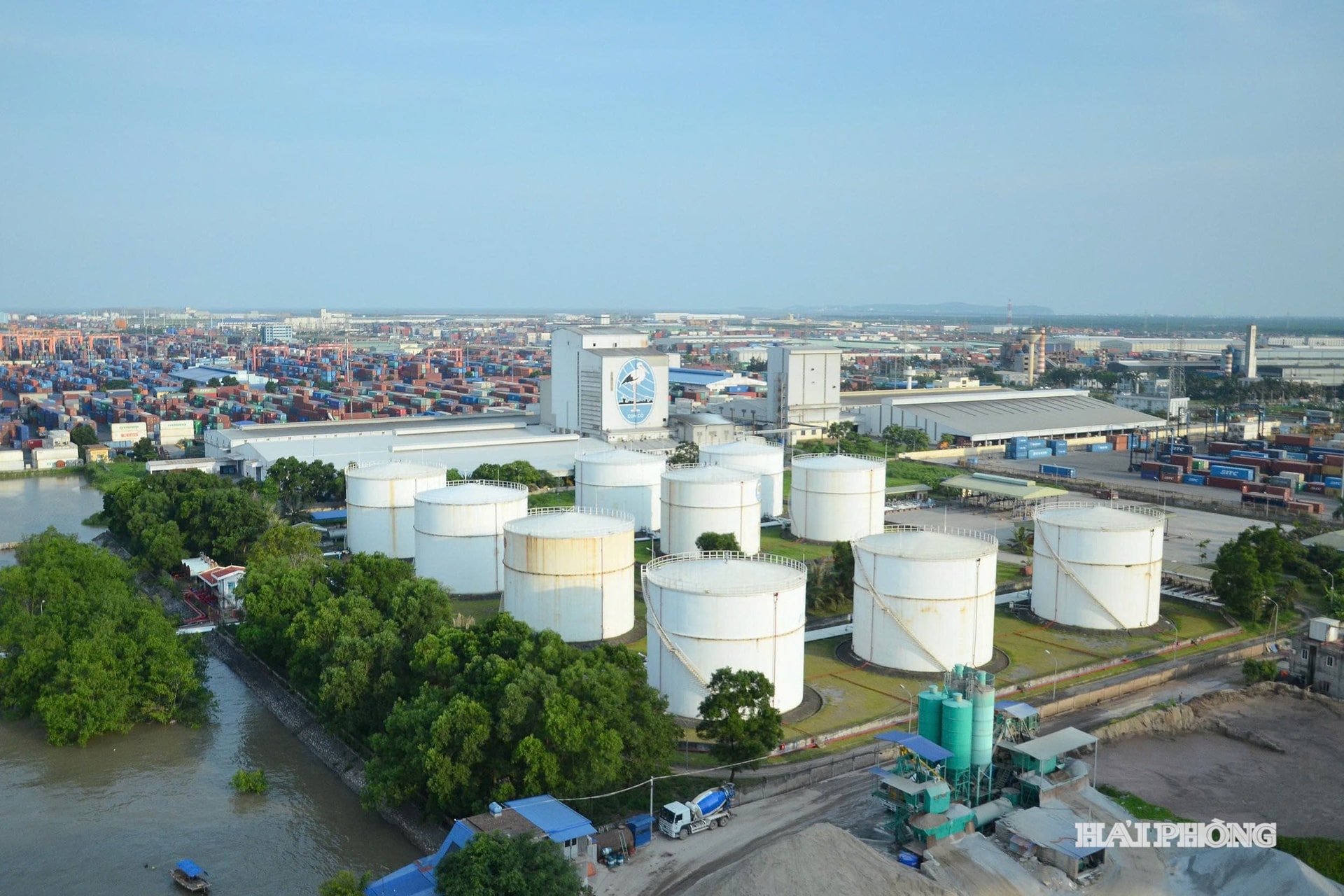
In industry, the city plans to develop an industrial belt along key growth corridors, expand industrial parks and industrial clusters linked with logistics, targeting about 24,000 ha of industrial park land and 5,000 ha of industrial cluster land by 2030. Industrial facilities within urban areas will be relocated and converted into service land and green spaces.
During the 2026 – 2030 period, land demand for industrial development is estimated at about 24,000 ha, mainly formed from inefficient agricultural land, unused land, and part of coastal water surface areas. This land fund is sufficient to meet investment attraction requirements for industrial parks, industrial clusters, and supporting industries.
Over the past time, the city has effectively exploited land resources to create sites for infrastructure investment and urban development, significantly improving the urban landscape and investment attractiveness. However, unused land resources are now limited. With its coastal advantage, Hai Phong has the capacity to reclaim land from the sea to expand new development space.
BAO CHAU