.jpg "Construction speeds up on western Hai Phong transport projects")
.jpg "Hai Phong Party Secretary presents investment approvals for three VSIP projects")

Gửi bình luận
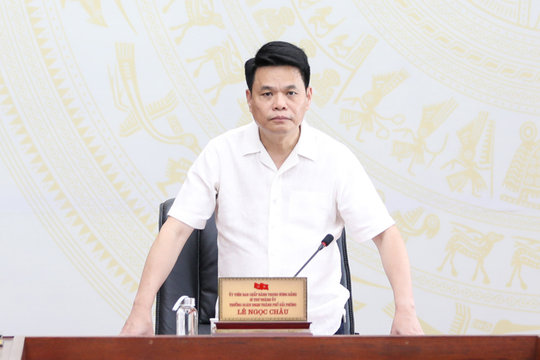
Secretary of the Hai Phong Party Committee Le Ngoc Chau has required investors and contractors to clearly define responsibilities, promptly address shortcomings, mobilize sufficient resources, and ensure the progress of key projects.
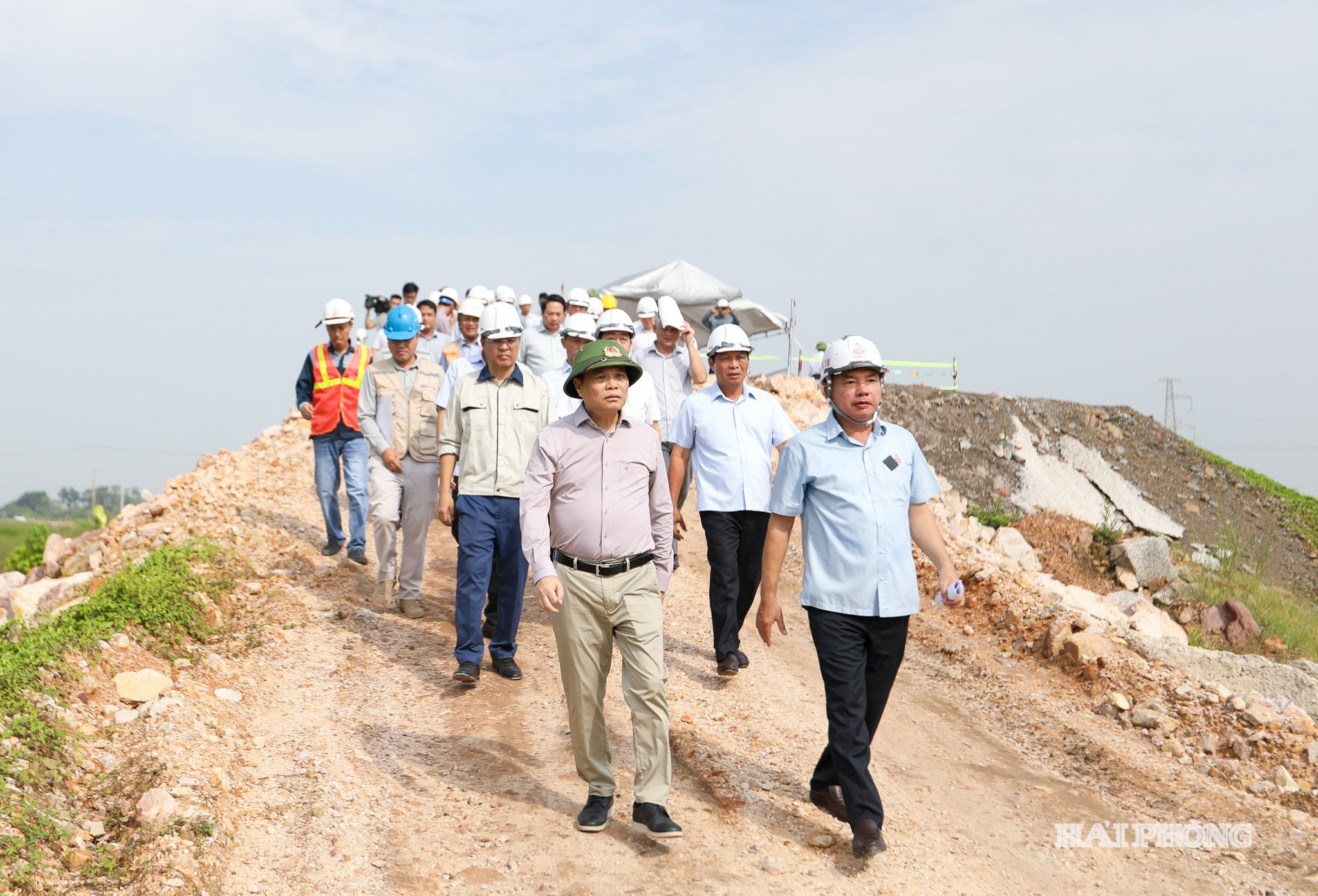
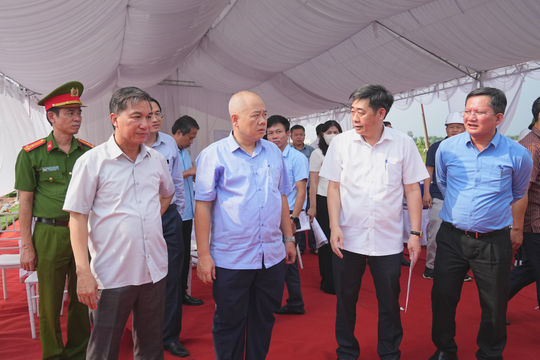
Le Ngoc Chau, Member of the Party Central Committee, Secretary of the Hai Phong Party Committee, and Head of the Hai Phong Delegation of National Assembly Deputies, conducted field inspections of six public investment projects and chaired a meeting with relevant agencies on the progress of three key bridge projects on August 15.
The delegation inspected the projects to build Van bridge and a road connecting National Highway 37 with Trieu bridge approach; Tan An bridge and a road linking National Highway 18; and Thai Binh river bridge and an approach on Ring Road 1, from Provincial Road 391 to Provincial Road 390C.
On the same day, the delegation also inspected the Hai Duong Martyrs’ Memorial and Cultural Park project, the new building complex project at Hai Duong General Hospital, and the lecture hall construction project at Hai Duong University.
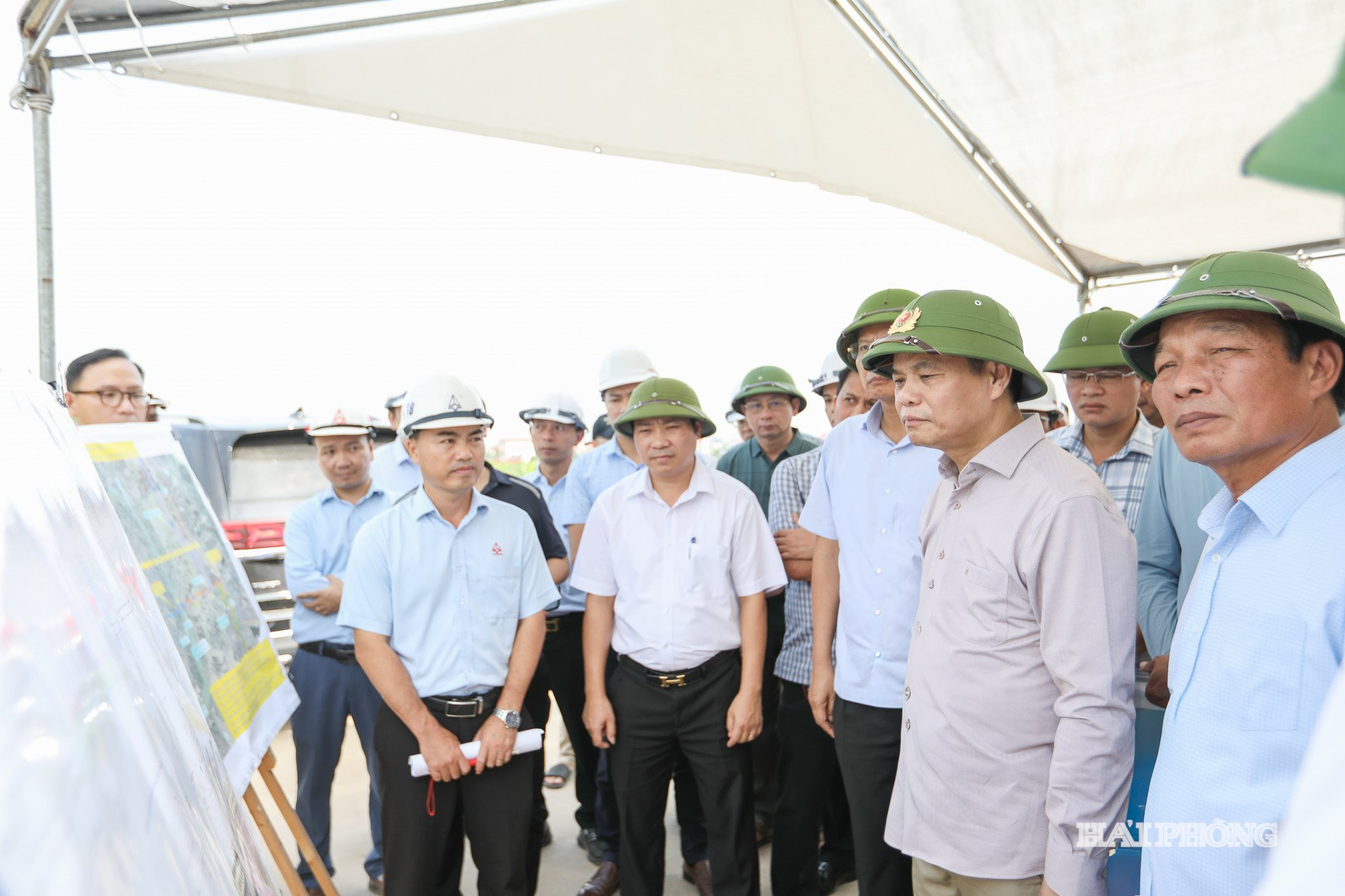
Following the field inspections, Secretary of the City Party Committee Le Ngoc Chau chaired a meeting with municipal departments, investors, supervision consultants, and contractors involved in the three bridge projects.
At the meeting, representatives of the investors, supervision consultants, and contractors reported on implementation progress, analyzed the causes of delays and existing difficulties, and proposed solutions, additional resources, and revised construction milestones. Leaders of the city and relevant departments discussed and clarified the responsibilities of each unit and reviewed the feasibility of construction plans and schedules for each project.
Secretary of the City Party Committee Le Ngoc Chau acknowledged the difficulties faced by the contractors due to rising material and fuel prices, unstable supply, and shortages of labor, particularly highly skilled technical workers. However, he noted that these challenges are common across the country, not unique to Hai Phong.
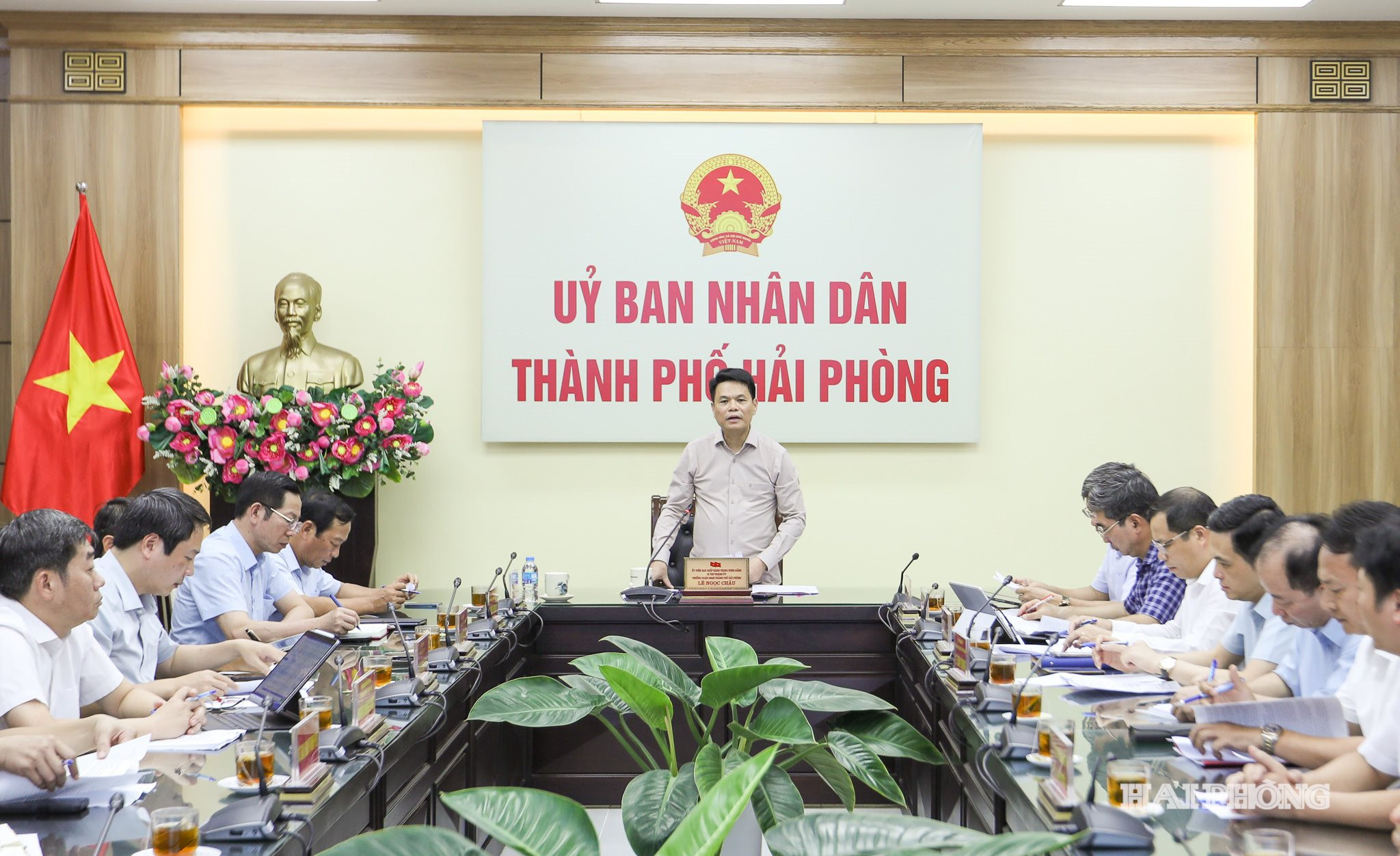
Chau instructed the contractors to appoint site managers with professional expertise and strong management capacity, deploy their best technical personnel to construction sites, and ensure adequate resources. He also required supervision consultants to maintain sufficient staffing, promptly certify completed work, and complete documentation in line with construction schedules so that the contractors would not be delayed, affecting project progress and public investment disbursement.
The Hai Phong Agricultural Work Construction and Rural Development Project Management Board was instructed to reassign leaders to oversee each contract package and project, with clear accountability for every assigned official.
For the three key bridge projects, the Project Management Board is responsible for urging the contractors to redraw the critical path schedule and coordinating with relevant agencies to appraise and ensure that it is the final and feasible schedule. The appraisal must be completed next week and reported to city leaders. During implementation, if the contractors fail to meet commitments on manpower, equipment, materials, or construction output, the investors must issue timely warnings, impose contractual sanctions, or propose reallocating work to prevent prolonged delays.
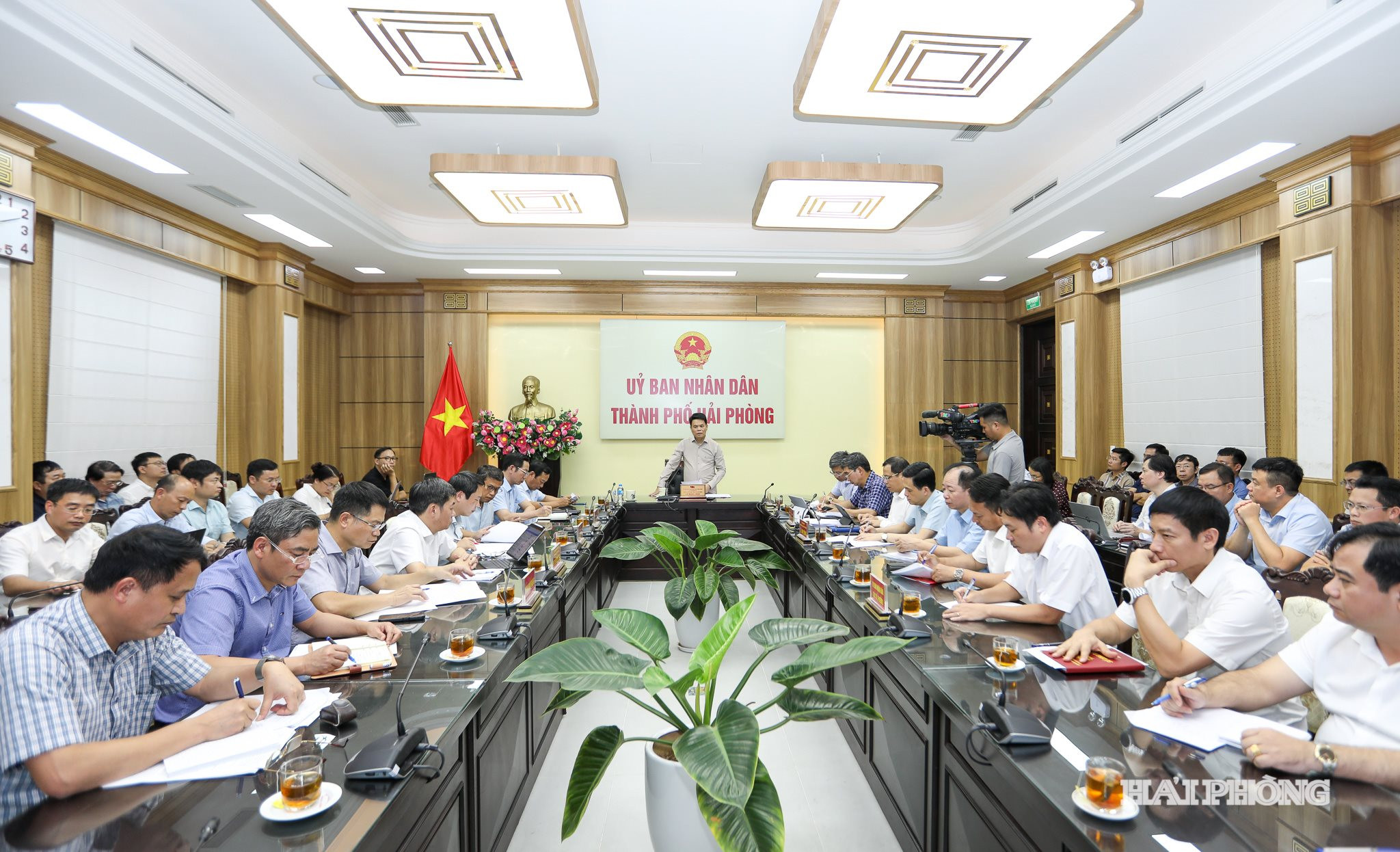
The Secretary of the City Party Committee emphasized that tightening construction schedules and clarifying responsibilities is not intended to create difficulties for the investors and contractors, but to promptly remove bottlenecks, return projects to the critical path, accelerate public investment disbursement, and contribute to the city’s overall growth target.
LE HIEP – LE DUNG