
Gửi bình luận
In the first nine months of 2026, Hai Phong’s economy continued to maintain a high growth rate. This provides a solid foundation for the city to accelerate efforts to achieve its 2026 growth target of 13% or higher.
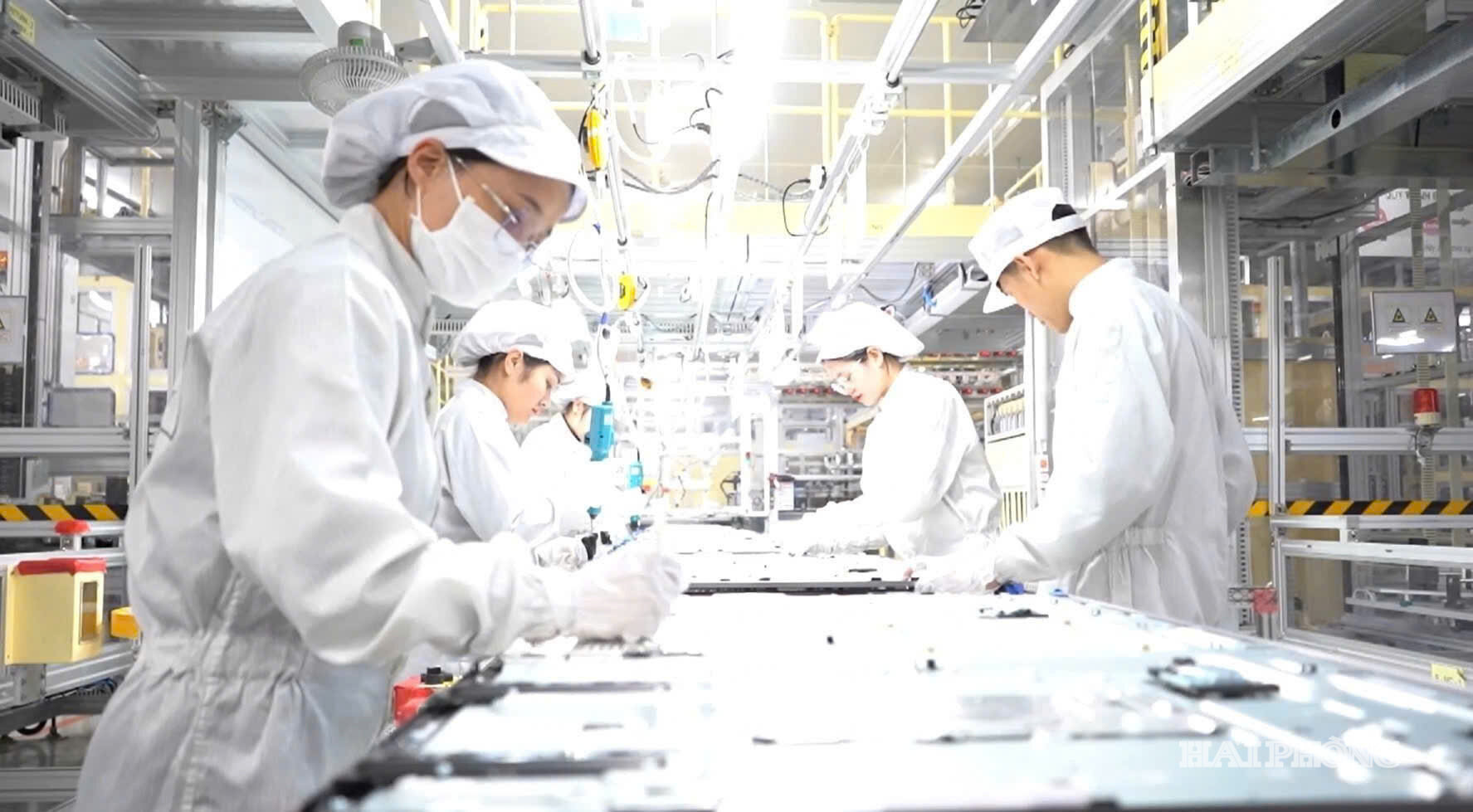
In the first nine months of 2026, Hai Phong’s gross regional domestic product (GRDP) increased by 12.08% year on year, ranking third nationwide. This was the highest growth rate in the past six years. Notably, growth improved quarter by quarter. GRDP in the third quarter rose 13.09%, higher than in the first and second quarters and exceeding the average annual growth target, showing increasingly clear signs of recovery and growth in the city’s economy.
According to Head of the Hai Phong Statistics Office Tang Ba Phuc, all four sectors contributing to the city’s GRDP recorded growth. Industry and construction continued to be the city’s main growth drivers, with estimated value added rising 13.98% year on year and contributing 7.5 percentage points to overall growth. The services sector performed better than expected, with value added increasing 10.99% and contributing 3.82 percentage points. Agriculture, forestry and fisheries grew 2.44%, contributing 0.13 percentage points, while taxes less subsidies on products increased 10.02%, contributing 0.63 percentage points.
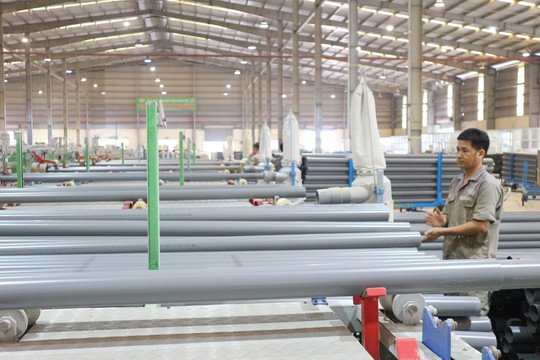
Director of the Department of Industry and Trade Nguyen Hoang Long said that in the first nine months of this year, the Index of Industrial Production (IIP) increased 15.23%. For the first time, all four of the city’s key industries recorded growth, with the manufacturing and processing sector rising 15.47%. In terms of industrial production value, production in industrial parks increased 17.9% — compared with the usual growth rate of around 13% — while production outside industrial parks rose 15.1%. In addition, statistics from 384 processing and manufacturing enterprises in the third quarter showed that more than 40.3% reported higher production volumes than in the second quarter, while 38.54% remained stable. For new orders, 37.36% of enterprises reported an increase, while 43.41% reported stable orders.
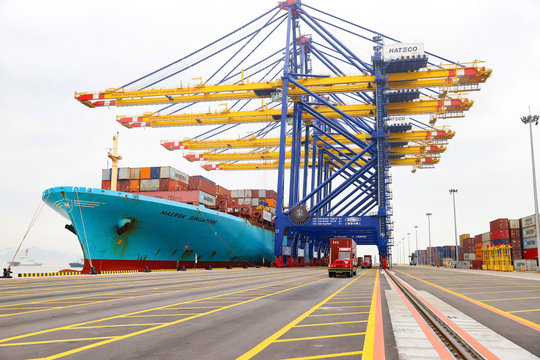
Alongside industrial production, trade, import and export activities, port operations and tourism continued to post positive growth. Foreign investment attraction remained a bright spot, reaching 1.64 times the level recorded in the same period last year, while total realized investment capital in the city increased 14.8%. State budget revenue and resource mobilization for development investment also posted positive results. Public investment disbursement reached 83.37% of the capital plan after deducting the 5% spending savings, higher than the national average.
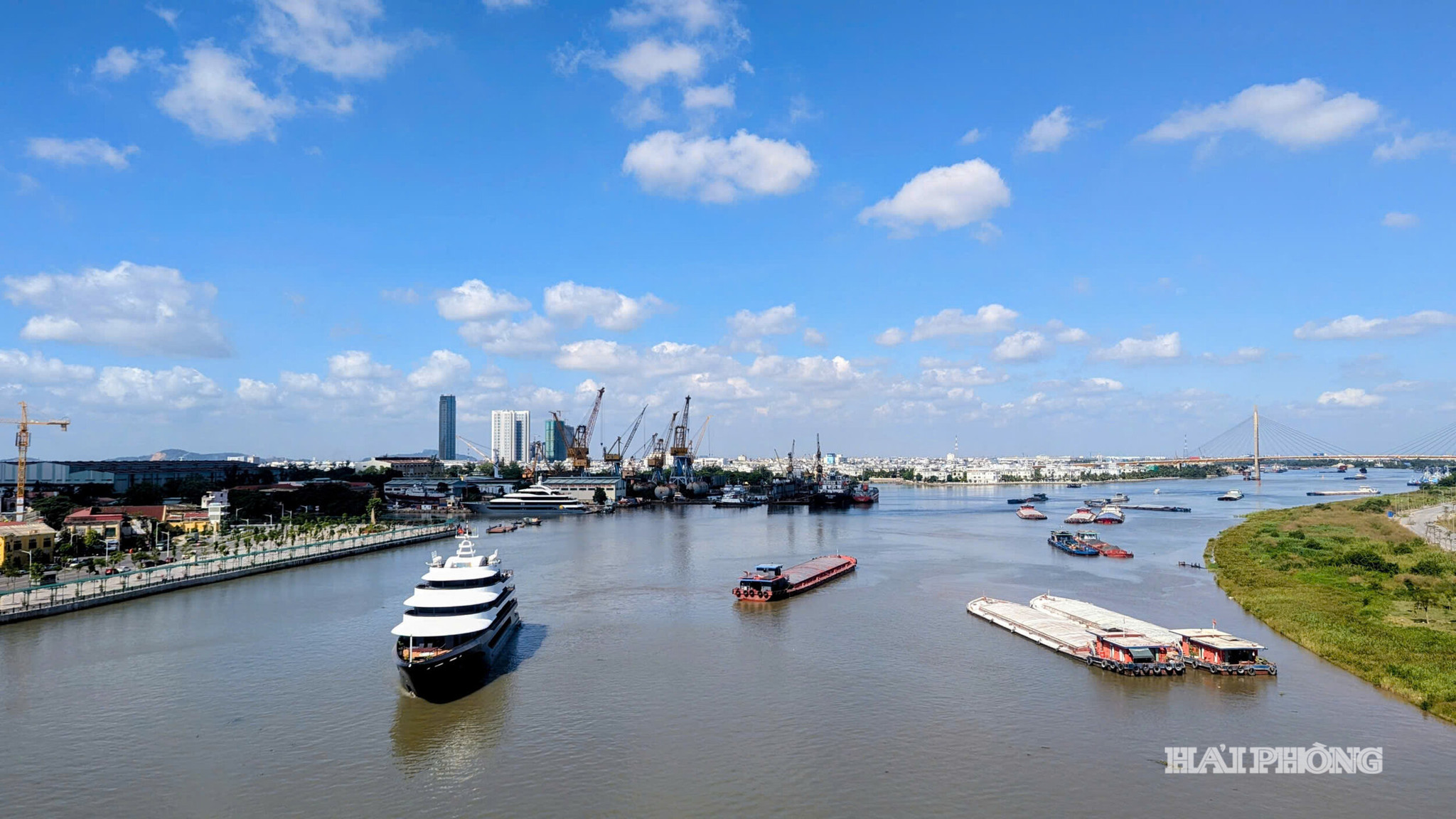
Although the city’s economy maintained a high growth rate in the first nine months, some targets fell short of expectations. Therefore, to achieve its 2026 growth target, the city will need to post a higher growth rate in the fourth quarter than set out in the original scenario. This is a major challenge for the city as the global and regional situation remains complex and unpredictable, while competition among localities within the region and across the country is becoming increasingly intense. Nevertheless, the city remains determined to pursue its target.
To drive stronger economic growth in the final three months of the year, the city will continue to closely follow its growth scenario and the tasks and solutions set out in Resolution No. 11. It will also continue to unlock and make the most of available resources, while creating and activating new growth drivers.
In the industrial sector, the immediate priority is to continue supporting key enterprises and quickly put new projects into operation. Around 10 new projects are expected to begin production in the fourth quarter of 2026, while projects that have already been operating during the first nine months will continue to increase capacity, generating an estimated total product value of around VND 13.5 trillion. At the same time, the city will complete a scheme for developing the eco-industrial park model and a scheme for restoring and developing the shipbuilding industry, while soon introducing mechanisms and policies to ensure the Free Trade Zone operates effectively in 2026.
In the construction sector, the city will accelerate the implementation of large-scale urban projects and construction works with high investment values, while proactively securing supplies of construction materials, particularly fill materials, resolving site clearance issues and organizing construction. In the services sector, the city will continue promoting trade, tourism, culture, sports, entertainment and the nighttime economy, thereby stimulating consumer demand and creating additional growth momentum.
Alongside boosting production, the city will accelerate public investment disbursement and review and resolve long-standing projects to put land, capital and infrastructure resources back to productive use. It will promote linkages between FDI enterprises and domestic businesses, enhance the ability of domestic enterprises to participate in supply chains, and capitalize on the advantages of seaports, logistics, trade and tourism while developing new growth spaces. The city will also continue implementing a “green lane” mechanism for investment, land, planning and construction procedures for key projects, social housing, rental housing, industrial real estate, and commercial and service projects.
In practice, despite numerous difficulties and challenges, the city’s decisive, focused and flexible leadership and direction — particularly following the issuance of Resolution No. 11 — have gradually helped resolve many difficulties, obstacles and bottlenecks. Resources have been unlocked, creating positive changes in implementation and contributing to the notable results recorded in the third quarter.
This provides an important foundation for the city to further leverage its internal strengths, unlock new growth drivers, create stronger momentum in the final three months of the year, and work toward achieving its growth target.
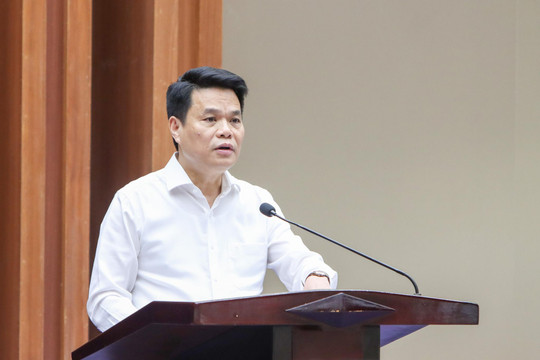
At the fifth session of the Hai Phong Party Committee, Secretary of the Hai Phong Party Committee Le Ngoc Chau stressed the need for the entire Party organization and political system to remain united and committed to the growth target of 13% or higher, with no retreat from the target.
At the same time, he called for close monitoring and accurate assessment and forecasting of the situation, as well as flexibility and creativity in leadership, direction and management. If one resource or growth driver encounters difficulties, timely solutions must be put in place to replace or offset it with other resources or growth drivers, ensuring that the city is not caught off guard by unexpected developments.
Ha Minh