.jpg "Industrial real estate and logistics forecast to lead Hai Phong’s market in 2026")

Gửi bình luận
Rising tensions in the Middle East could increase transportation risks and logistics costs. In Hai Phong, many businesses are proactively implementing contingency plans to mitigate potential impacts.
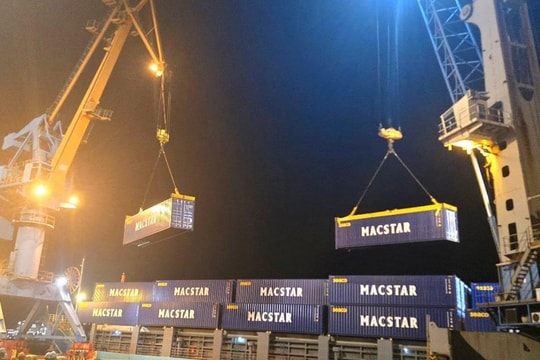
Immediately after tensions escalated in the Middle East, several international shipping lines announced a temporary suspension of new bookings to the region pending further developments.
Mr. Phan Tien Dai, a representative of a shipping agency service provider in Thuy Nguyen Ward, said that major carriers such as MSC, Maersk (MSK), WHL, PIL, KMTC, COSCO, RCL, and OOCL have suspended fresh bookings to the Middle East and the Red Sea. Meanwhile, France-based CMA CGM has temporarily stopped accepting refrigerated (RF) cargo. As of the afternoon of March 3, South Korea’s HMM was still awaiting updated information.
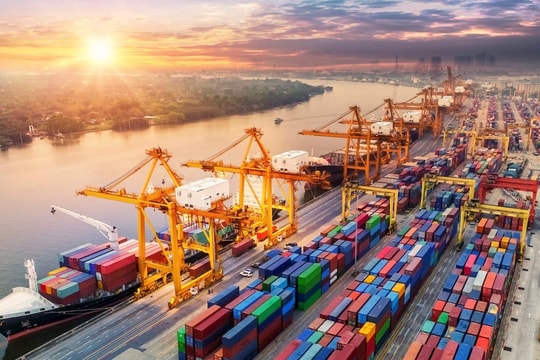
According to him, the simultaneous suspension of bookings reflects a very high level of caution among carriers regarding maritime security risks. For Hai Phong—the largest seaport hub in northern Vietnam—this move significantly affects export shipments to Europe, the Middle East, and parts of Africa, many of which must transit through the Strait of Hormuz or routes linked to the Red Sea.
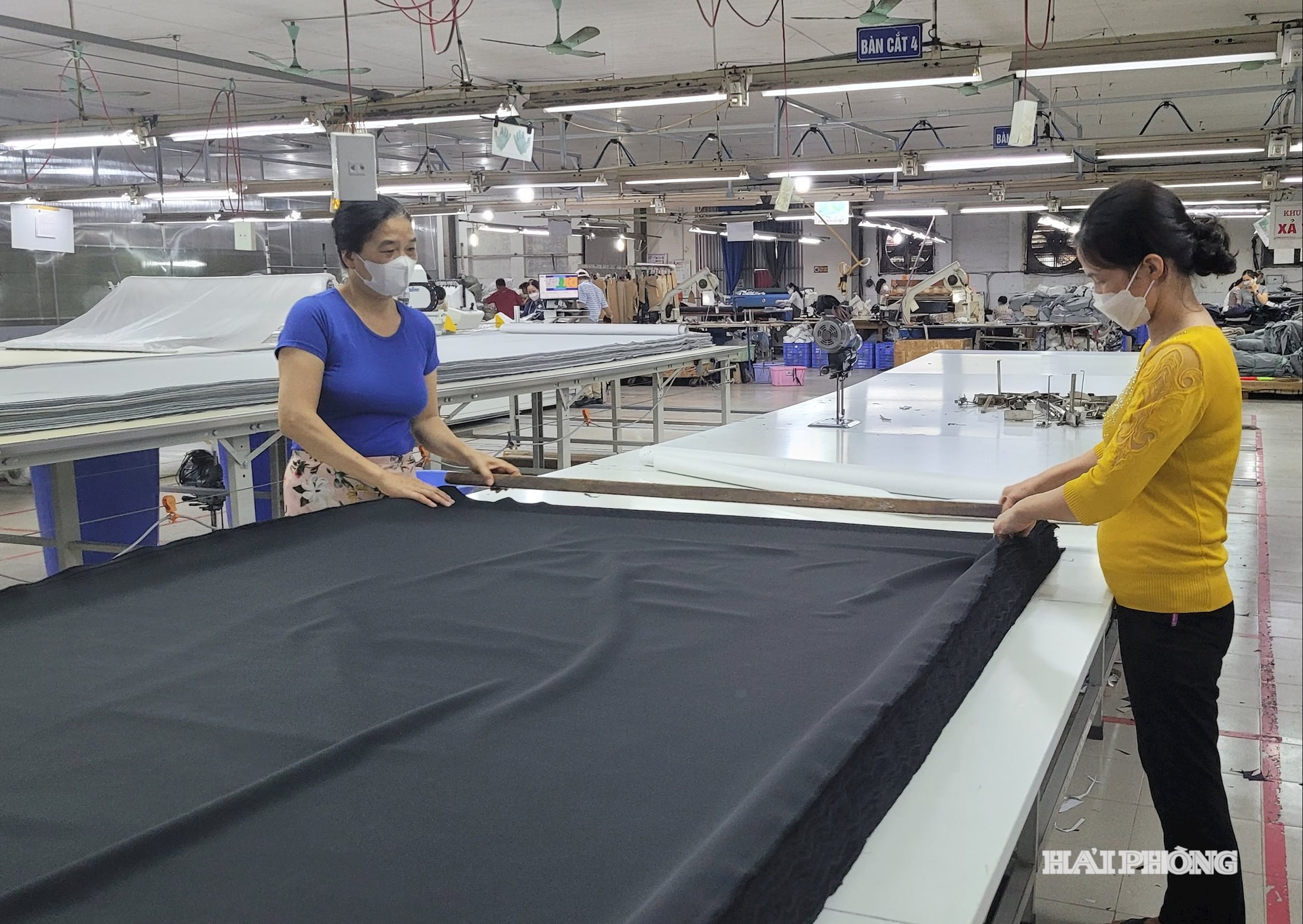
For manufacturers, especially in the garment sector, the pressure lies not only in costs but also in delivery schedules. Mr. Dinh Trinh Dung, General Director of Hai Duong Garment II JSC, said that about 30% of the company’s exports to Europe pass through routes associated with the Strait of Hormuz. “If vessels cannot dock at transshipment ports or have to adjust their routes, transit times may be extended by five to seven days, or even longer,” he noted.
Shipping service providers have outlined several short-term risk scenarios. First, vessels may be unable to access transshipment ports, resulting in prolonged delivery times.
Second, force majeure risks and additional costs may increase. Shipping lines could impose War Risk Charges even on cargo already at sea, similar to measures applied in the past.
Third, ocean freight rates may surge on routes that continue operating, as vessel supply tightens when some carriers suspend bookings or adjust schedules.
In the longer term, the extent of the impact will depend on how the conflict evolves. If tensions in the Middle East ease soon, operations may return to normal. Conversely, prolonged instability would likely exert greater pressure on the global shipping market.
Representatives of several container transport companies noted that even a USD 5–10 per barrel increase in global oil prices could drive up domestic fuel prices, significantly raising operating costs for trucking fleets and shipping lines.
Proactive response plans
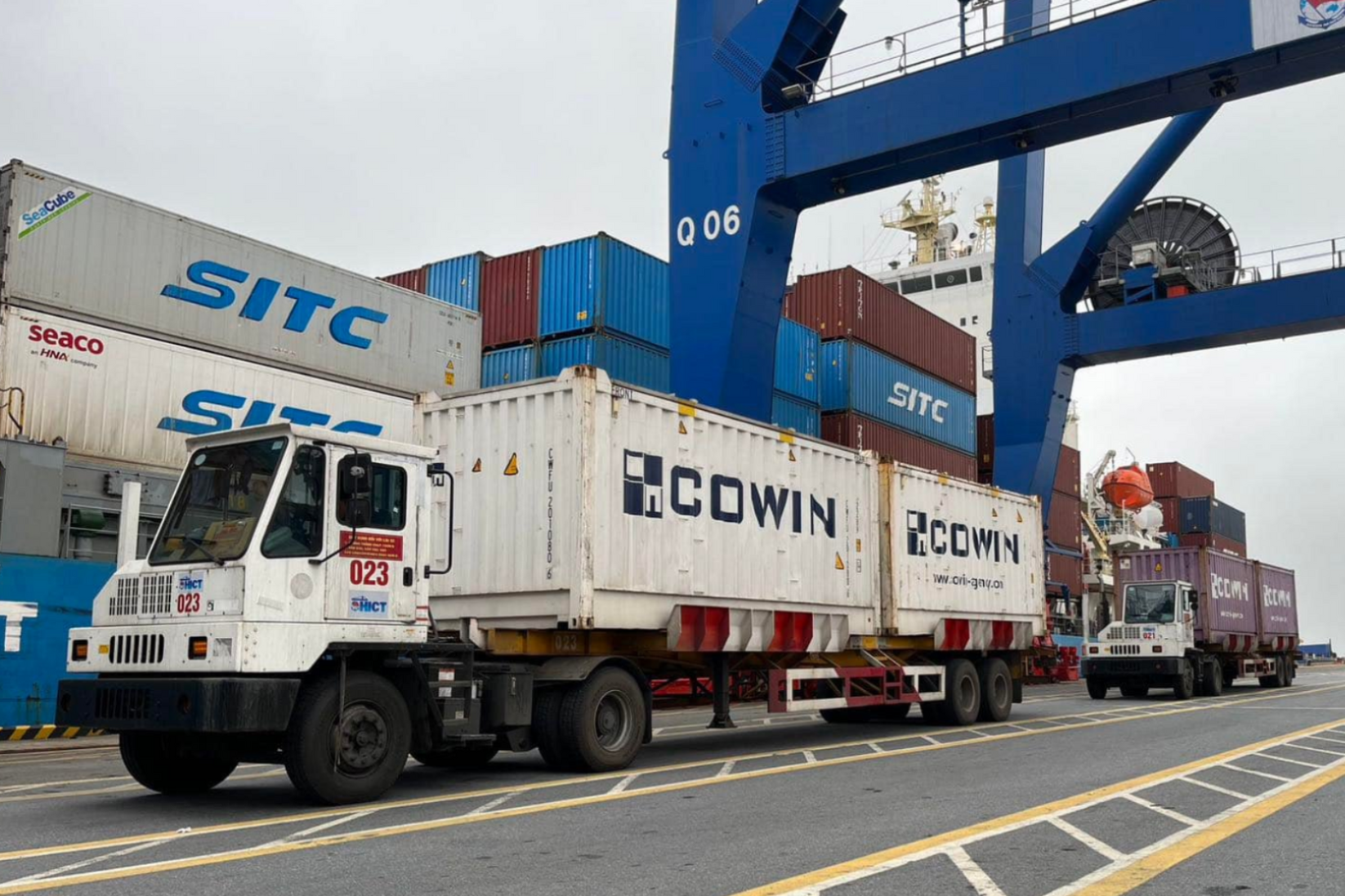
Amid complex developments in the region, many businesses in Hai Phong have proactively activated response plans, focusing on transparent communication and risk management from the contractual stage.
Mr. Pham Van Vinh, Director of Vietwood Trading JSC in Le Thanh Nghi Ward, said the company regularly updates import partners on force majeure situations to negotiate delivery extensions, while clearly discussing cost-sharing mechanisms for additional expenses in order to minimize the risk of contract penalties and maintain long-term credibility. In the long run, the company is restructuring its product portfolio, prioritizing higher value-added items with longer shelf life to reduce pressure when shipping times are extended.
Conflict in the Middle East has driven up oil prices and various input materials, forcing businesses to adjust selling prices to sustain operations. In this context, many enterprises have proposed maintaining the reduced 8% VAT rate and considering deferrals or reductions in corporate income tax to support cash flow. At the same time, in line with recommendations from the Ministry of Industry and Trade, companies are accelerating market diversification, closely reviewing logistics, transportation, and insurance clauses in contracts; adding force majeure provisions; clearly defining responsibilities and cost-sharing arrangements in case of risks; and strengthening coordination with industry associations, trade promotion agencies, and Vietnam’s overseas trade offices to seek alternative orders, develop rapid response scenarios, and safeguard supply chains under all circumstances.
Mr. Bui Nguyen Khoi, Director of the Hai Phong Maritime Administration, stated that as of March 3, vessel traffic in and out of Hai Phong’s seaport area remains normal, with no recorded maritime safety incidents related to developments in the Middle East. “We regularly update information from shipping lines, specialized management agencies, and international maritime information systems to promptly monitor fluctuations on shipping routes,” he said.
The business community hopes that city authorities will closely monitor the situation, promptly provide forecasting information, and adopt flexible fuel price management measures to ease pressure on manufacturing and logistics enterprises.
Hai Minh