.jpg "Hai Phong aims for green, sustainable logistics development")

Gửi bình luận
Hai Phong has a northern maritime gateway position, a dense river network, and a role as the logistics hub of the Red River Delta. These are favorable conditions for the city to develop inland waterway transport and promote green logistics.
Significant potential needs commensurate exploitation
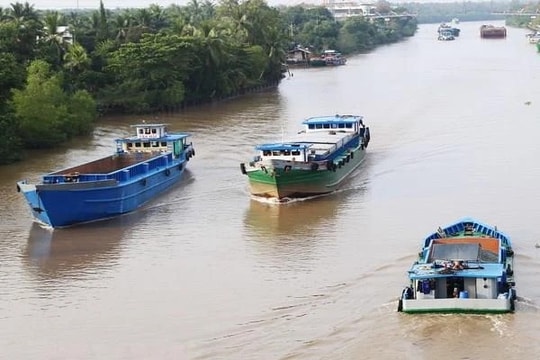
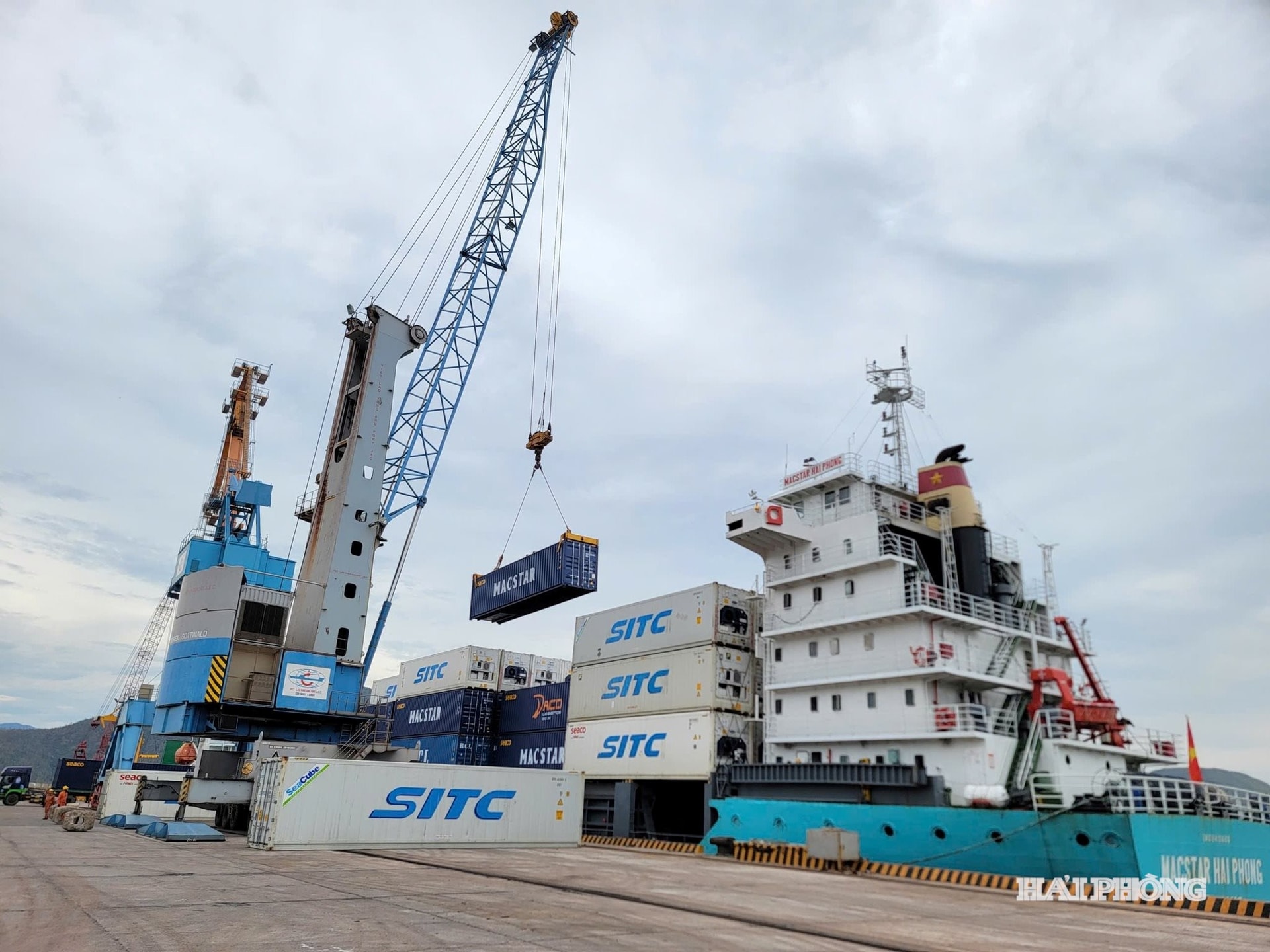
Hai Phong plays a particularly important role in the national logistics chain. As the largest port city in northern Vietnam, Hai Phong not only handles most of the region’s import and export cargo but also serves as a strategic transshipment point linking maritime transport with road transport and inland waterways. The city has an inland waterway network of nearly 2,700 km, accounting for about 40% of the country’s total inland waterway length, convenient for waterway transport.
Le Manh Cuong, Standing Vice Chairman of the Hai Phong Logistics Association, said that recognizing this role, Hai Phong has taken concrete steps to encourage inland waterway transport. One notable policy is the significant reduction of seaport infrastructure usage fees for cargo transported by inland waterways. This policy not only helps enterprises cut logistics costs but also creates incentives to shift cargo from road transport to waterway transport, an approach aligned with green and sustainable development goals.
In practice, the volume of cargo and containers transported by inland waterways related to Hai Phong has been gradually increasing. Shifting a significant portion of containers from trucks to barges and vessels helps reduce pressure on port access roads, limit congestion and traffic accidents, and cut greenhouse gas emissions.
Foundation of green logistics
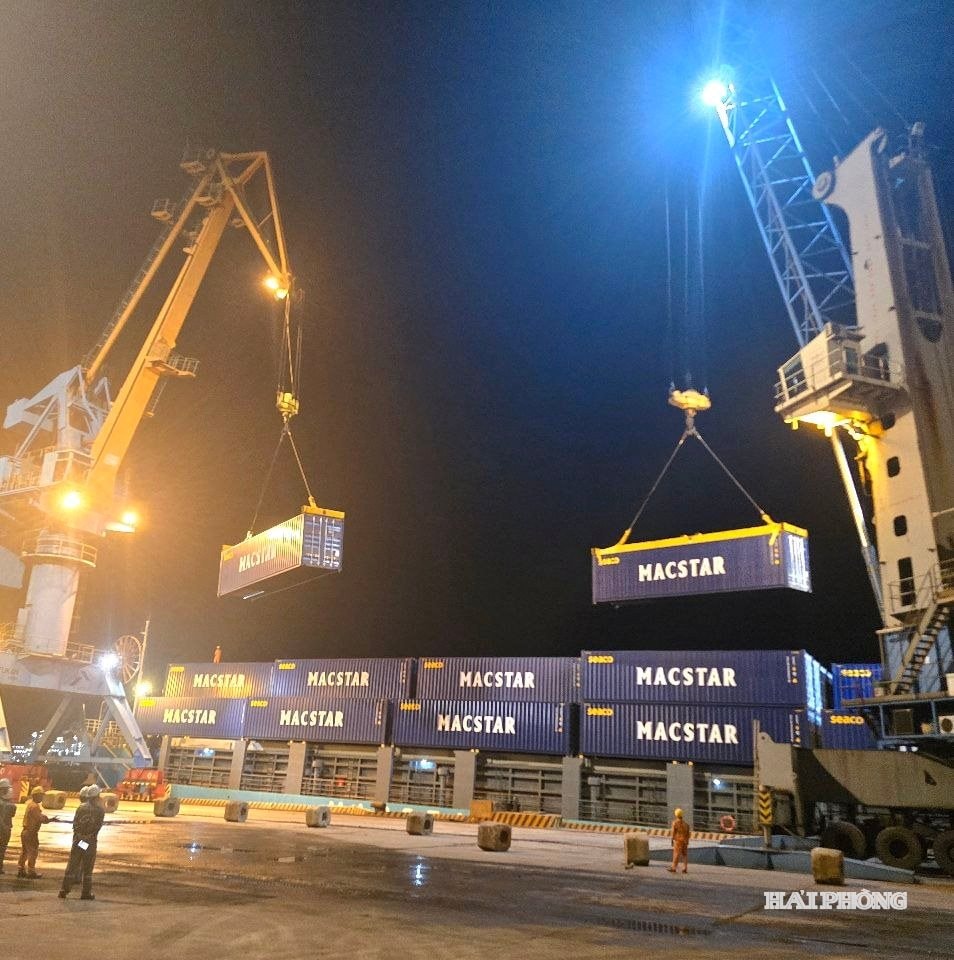
Green logistics is no longer just a trend but has become a mandatory requirement in modern economic development strategies. Compared with road transport, inland waterway transport consumes much less fuel per unit of cargo and produces significantly lower CO₂ emissions and other pollutants. This is particularly meaningful in the context of Vietnam’s commitments to emissions reduction and sustainable development.
Nguyen Huy Hoang, Director of AOE Logistics Company, said that for Hai Phong, developing green logistics linked with inland waterway transport also helps enhance the competitiveness of the port system and the regional supply chain.
When logistics costs are reduced, transport times are stable, and environmental impacts are better controlled, Hai Phong will become a more attractive destination for domestic and foreign investors, especially enterprises that prioritize environmental, social and governance criteria, particularly as Hai Phong is moving toward sustainable development and net-zero emissions by 2050.
“Awakening” potential through comprehensive solutions
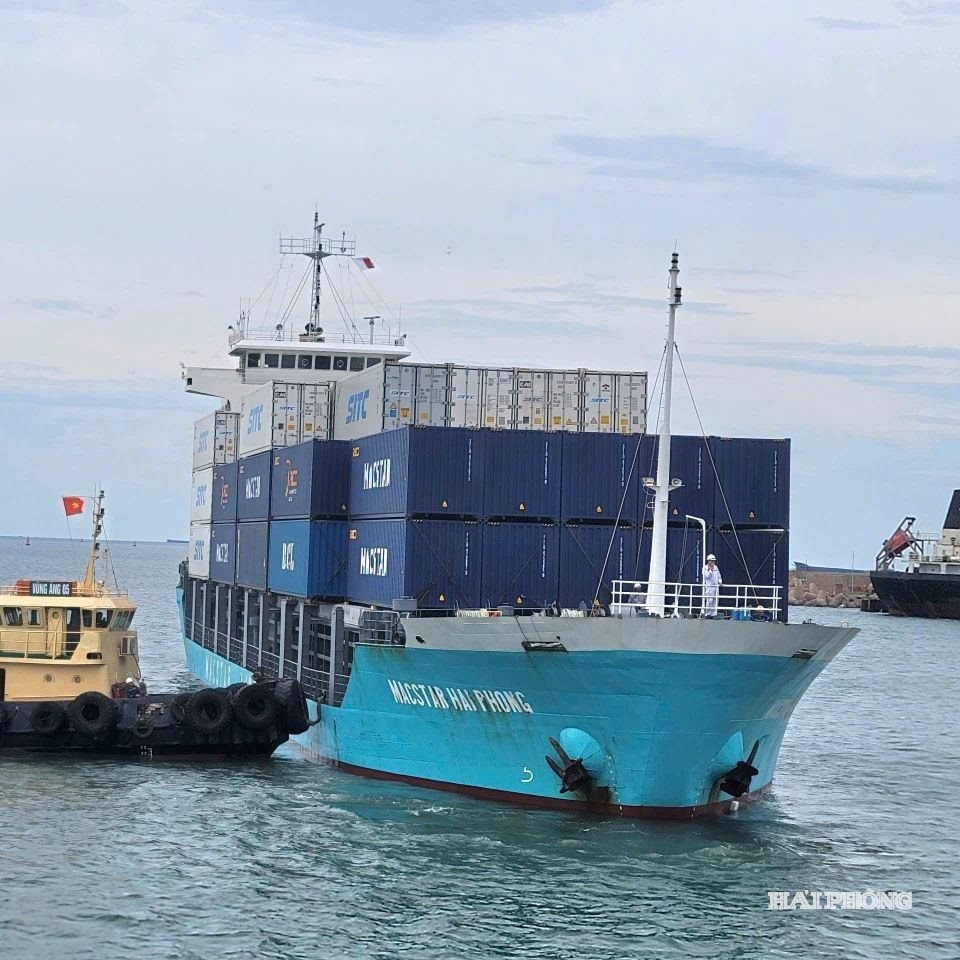
For inland waterway transport to truly become a driver of green logistics in Hai Phong, a comprehensive and long-term set of solutions is required. Associate Professor and Doctor Le Thi Huong Giang, Deputy Head of the Port Engineering Division, Faculty of Engineering, Vietnam Maritime University, said that first and foremost, investment in upgrading waterway infrastructure is a key factor. Dredging and upgrading main river routes, improving bridge clearance, and ensuring channel depth will create conditions for large container vessels and barges to operate more efficiently.
At the same time, it is necessary to develop a network of inland waterway ports and river container terminals linked with industrial parks and logistics centers. The formation of modern transshipment points will enable seamless connections between waterways, roads and seaports, improving the efficiency of multimodal transport.
Incentive policies also play an important role. In addition to preferential fees and charges, mechanisms are needed to support enterprises in investing in new fleets and applying clean, fuel-efficient technologies. Digital transformation in transport management, port operations and logistics is also an inevitable trend to enhance efficiency and transparency.
“Awakening” inland waterway transport is not only an issue for the transport sector but a comprehensive development strategy linked with green logistics, green economy and sustainable development. With outstanding advantages in location, seaport infrastructure and river networks, Hai Phong is facing a major opportunity to become a national model for inland waterway logistics development. When bottlenecks are removed and solutions are implemented in a coordinated manner, inland waterway transport will truly be “awakened,” contributing to making Hai Phong a modern green logistics center of the northern region and the whole country.
THU HANG