.jpeg "Free trade zone to be new growth driver for Hai Phong")

Gửi bình luận
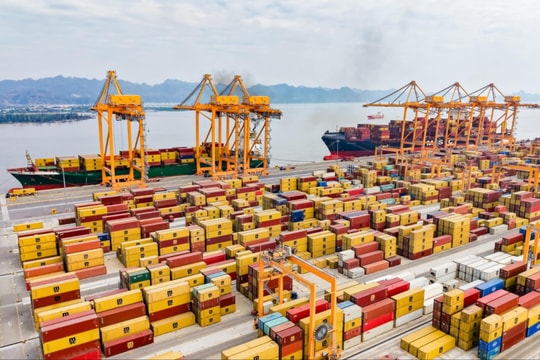
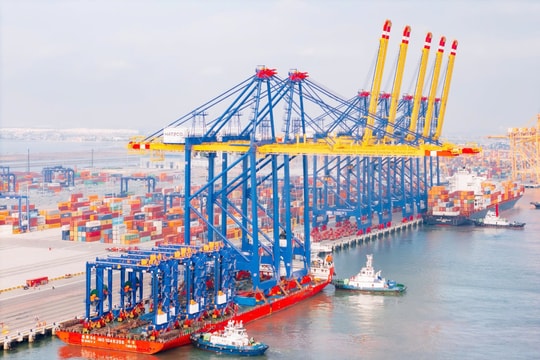
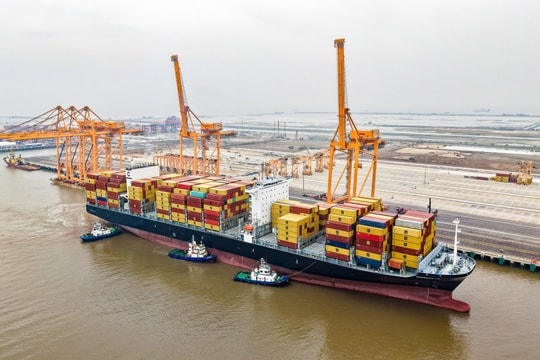
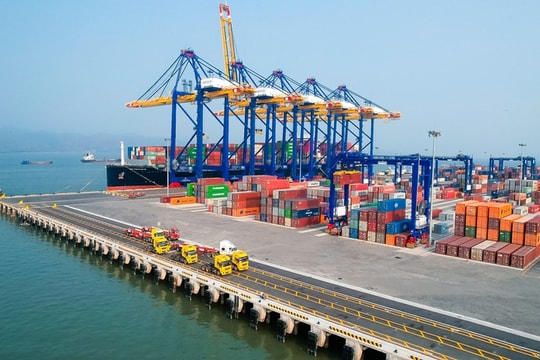
Hai Phong is finalizing policies to attract foreign experts, scientists and highly skilled workers, a move expected to enhance the competitiveness of the city's Free Trade Zone.
The Hai Phong People's Council is expected to consider a resolution at its third session, scheduled for later this month, setting out criteria for foreign experts, scientists, talented individuals, managers and highly skilled workers employed by enterprises in the Hai Phong Free Trade Zone.
One of the key mechanisms granted to Hai Phong under National Assembly Resolution No. 226/2025/QH15 is visa exemptions and 10-year temporary residence cards for eligible foreign experts, scientists, talented individuals, managers, highly skilled workers and their family members working for enterprises headquartered in the Free Trade Zone.
To implement the policy, however, the city needs a legal framework defining who qualifies for the incentives.
Hai Phong has drafted a resolution setting out eligibility criteria for foreign experts, scientists, talented individuals, managers and highly skilled workers. The draft is expected to be submitted to the People's Council for approval at its third session later this month.
The resolution will provide the legal basis for implementing the National Assembly's special mechanism while enabling authorities to identify eligible beneficiaries and apply the policy in a transparent and consistent manner.
The draft establishes criteria for five categories of foreign professionals.
Experts must meet requirements on qualifications and professional experience. Scientists will be assessed based on academic titles, patents, research achievements or prestigious scientific awards. Talented individuals must demonstrate outstanding achievements or recognized innovation capabilities, while managers and highly skilled workers must satisfy professional qualification and experience requirements.
The criteria are tied to priority sectors identified for development in the Hai Phong Free Trade Zone, including semiconductors, information technology, advanced materials, logistics, clean energy, finance, innovation centers, research and development (R&D), and global supply chain management.
The city says the policy is designed to attract experts, scientists and highly skilled professionals capable of creating greater added value and supporting strategic industries, rather than increasing the number of foreign workers.

While infrastructure and investment incentives have traditionally been the main competitive advantages of industrial parks, the ability to attract and retain highly skilled workers has become an increasingly important factor for multinational corporations and technology companies when choosing investment locations.
For Hai Phong, establishing eligibility criteria for foreign experts, scientists, talented individuals, managers and highly skilled workers is intended not only to implement the incentives provided under National Assembly Resolution No. 226/2025/QH15, but also to complete an important part of the institutional framework for the Free Trade Zone.
As infrastructure, policy mechanisms and human resources are developed in parallel, the city's investment environment is expected to become more attractive.
By the end of June, the city's industrial parks and economic zones had attracted more than 1,071 FDI projects with combined registered capital of over $46 billion, keeping Hai Phong among Vietnam's leading destinations for foreign investment.
Meanwhile, the Hai Phong Economic Zone Authority is accelerating preparations for the launch of the free trade zone, including developing implementation plans, establishing investor selection criteria, proposing coordination mechanisms and preparing conditions for the launch of the new model.
These measures are aimed at putting into practice the special mechanisms approved by the National Assembly.
According to Koen Soenens, Sales, Marketing and Customer Service Director at DEEP C Industrial Zones, the new resolution represents far more than an adjustment to administrative procedures.
When selecting investment locations, companies look not only at land availability and investment incentives but also at whether they can relocate experts, engineers and key personnel for long-term assignments, particularly in high-tech industries, he said.
Completing policies to attract experts, scientists and highly skilled workers will not only help meet the workforce needs of businesses in the Free Trade Zone but also contribute to building a more professional, transparent investment environment aligned with international practices.
Hai Phong News