

Gửi bình luận
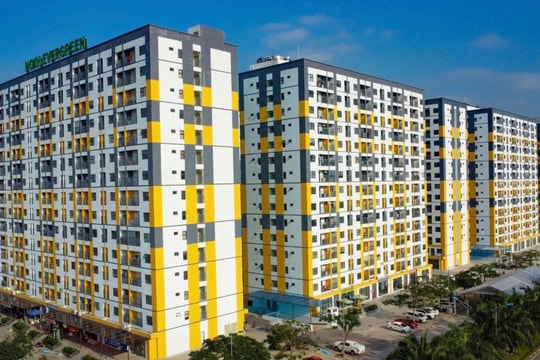
By 2030, Hai Phong plans to develop more than 5 million square meters of social housing floor space to meet the housing demand of low-income residents.
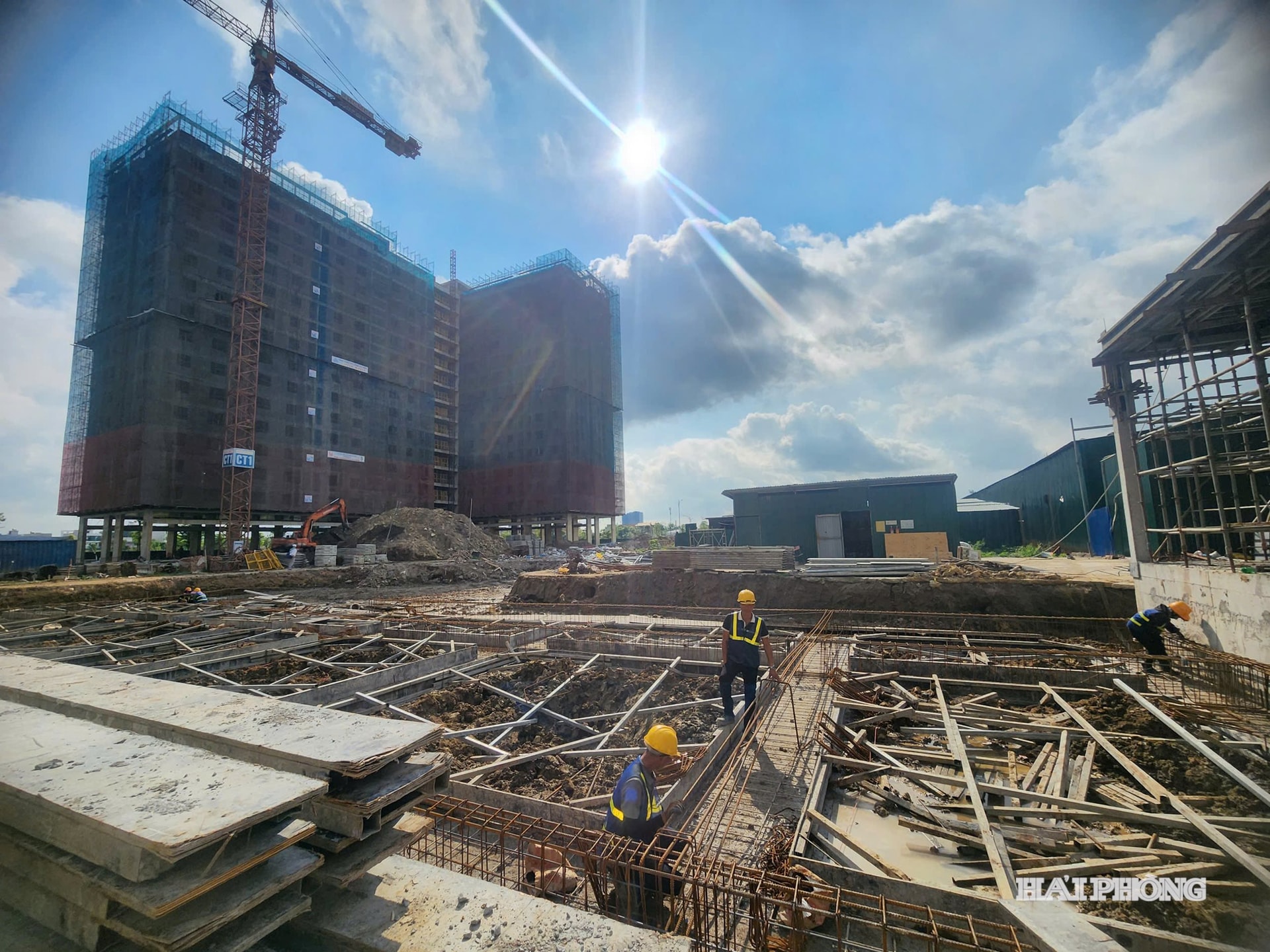
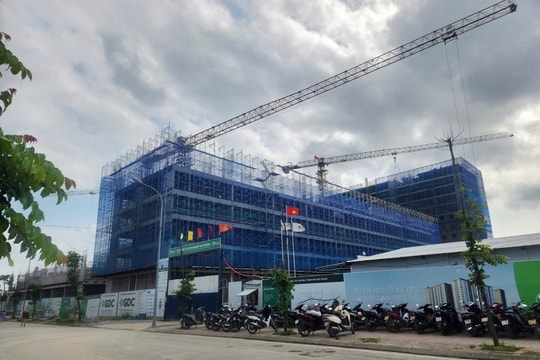
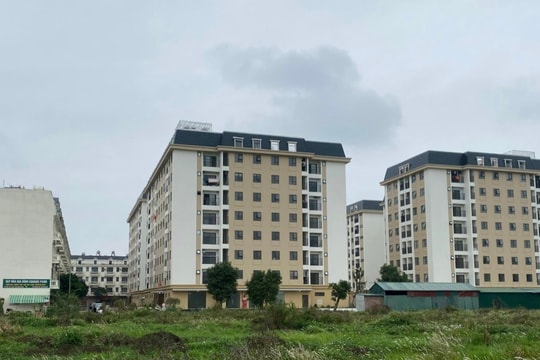
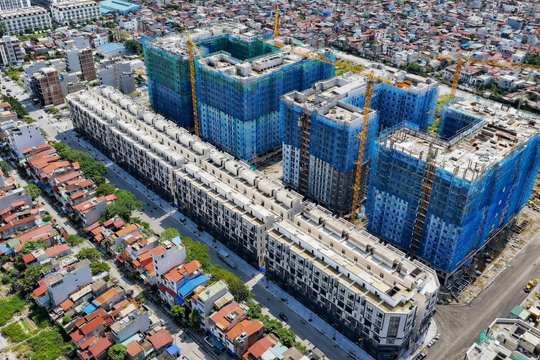
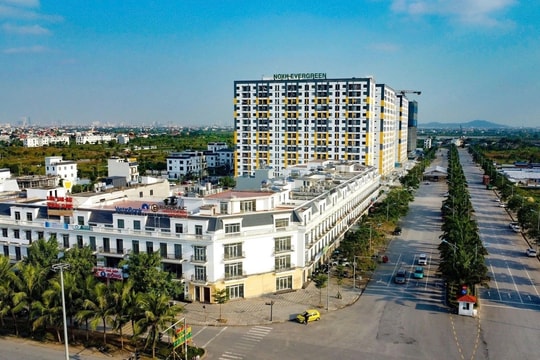
The People’s Committee of Hai Phong has approved adjustments to the city’s Housing Development Program for the 2021–2030 period, setting a target of developing an additional 5,096,811 square meters of social housing floor space, equivalent to 72,812 apartments for low-income residents and workers.
This is one of the city’s major targets aimed at meeting the rapidly increasing housing demand of workers, particularly in industrial parks, economic zones and rapidly urbanizing areas. In the 2026–2030 period alone, Hai Phong aims to complete 56,133 social housing units with a total floor area exceeding 4 million square meters.
Alongside social housing development goals, the city plans to allocate approximately 187.5 hectares of land specifically for this segment, while prioritizing the renovation and reconstruction of old, deteriorated and unsafe apartment complexes to ensure residents’ safety and improve urban landscapes.
According to the adjusted program, by 2030 the city’s total residential floor area is expected to exceed 203.69 million square meters, an increase of around 98.27 million square meters compared to the 2021–2030 period. Of this total, commercial housing is projected to increase by nearly 43 million square meters, while housing self-built by households and individuals is expected to rise by more than 50.19 million square meters.
The city has also set targets for average housing area per capita to reach 37.17 square meters by 2030, including 38.95 square meters per person in urban areas and 33.01 square meters per person in rural areas. Hai Phong aims to completely eliminate temporary housing and ensure that 100% of homes meet permanent or semi-permanent construction standards.
In its long-term development orientation, Hai Phong encourages the development of residential areas with synchronized technical and social infrastructure, while prioritizing green urban models, smart housing, renewable energy use and environmentally friendly building materials. The city also plans to develop housing following the Transit-Oriented Development (TOD) model along major transportation corridors such as the Lao Cai – Hanoi – Hai Phong railway and the Hanoi – Quang Ninh high-speed railway.
The total investment capital required to implement the Housing Development Program for 2021–2030 is estimated at more than VND 930.758 trillion.
Hai Minh