
Gửi bình luận
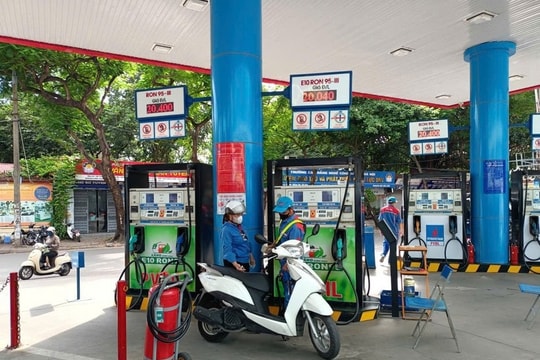
Starting June 1, 2026, E10 biofuel gasoline will officially be distributed nationwide under the roadmap set by the Ministry of Industry and Trade.
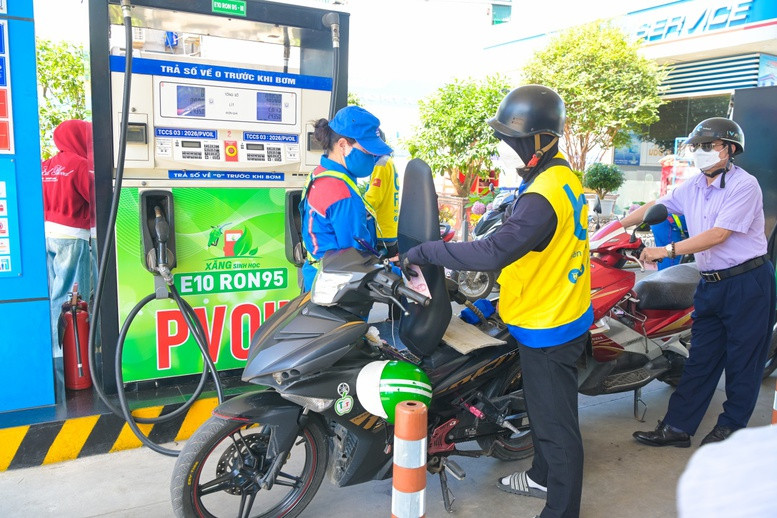
The Domestic Market Management and Development Department under the Ministry of Industry and Trade has issued Official Letter No. 1507 requesting petroleum wholesalers and distributors to urgently prepare supply sources, blending systems, infrastructure, and retail networks for the synchronized rollout of E10 gasoline from June 1.
According to the Ministry of Industry and Trade’s biofuel handbook, the primary raw material currently used for producing bioethanol in Vietnam is dried cassava chips. Bioethanol is produced through the fermentation of starch, molasses, and other agricultural by-products.
Biofuel gasoline is denoted as Ex, in which “x” represents the percentage of bioethanol by volume in the blended fuel formula. E10 gasoline contains 10% bioethanol and 90% conventional gasoline (RON 95 or RON 92).
The use of biofuel gasoline is considered convenient because vehicle engines do not require adjustment when switching between biofuel and conventional gasoline. Since ethanol has a high Research Octane Number (RON) of up to 109, blending it into gasoline improves anti-knock performance.
In addition, ethanol contains more oxygen than conventional gasoline, allowing fuel to burn more completely in the engine. This helps increase engine performance, reduce fuel consumption, and minimize harmful emissions from exhaust gases.
Notably, alcohol in biofuel may affect certain rubber seals and plastic components in older engines. However, this mainly applies to vehicles manufactured before 1993. For vehicles produced after 1993, such impacts are almost nonexistent because engine materials, especially fuel supply systems, have been significantly improved. Therefore, ethanol in gasoline is unlikely to damage modern engines.
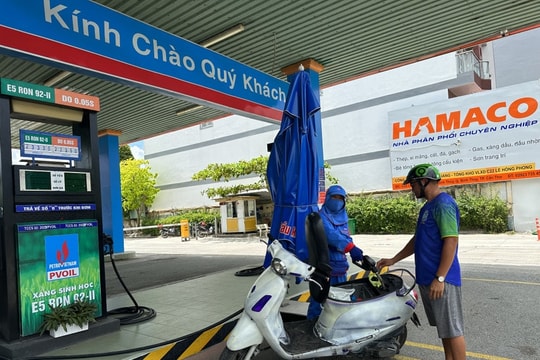
Under Circular No. 50/2025, from June 1 onward, unleaded gasoline meeting current national technical standards must be blended into E10 gasoline for use in gasoline-powered engines nationwide. E5 RON 92 gasoline will continue to be blended and distributed until the end of 2030.
To ensure the implementation of the E10 distribution roadmap from June 1, petroleum wholesalers and distributors have been requested to urgently develop supply plans suitable to consumption demand within their distribution systems.
The Domestic Market Management and Development Department also asked traders to negotiate and sign E10 supply contracts with blending and distribution facilities to guarantee sufficient supply and stable distribution from June 1.
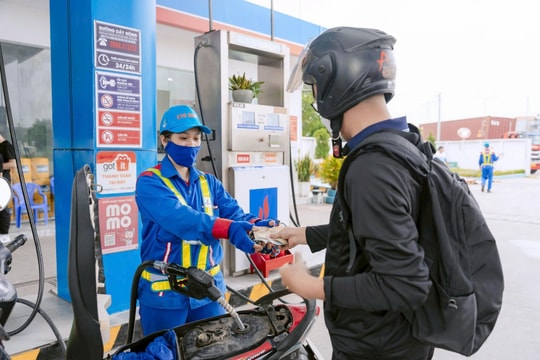
Enterprises are instructed to coordinate with their distribution systems, franchise dealers, and retail agents to prepare facilities and infrastructure for E10 distribution.
At the same time, businesses must ensure uninterrupted E10 supply throughout the entire distribution chain, from wholesalers and distributors to retail stations. Any difficulties or obstacles arising during implementation must be promptly reported to the Domestic Market Management and Development Department for timely handling.
The official document also noted that the Ministry of Industry and Trade is coordinating with relevant ministries and agencies to draft a resolution for submission to the Government. The draft would allow petroleum wholesalers to hire qualified testing service providers to inspect gasoline quality in accordance with national technical standards. This mechanism is intended to complete procedures for obtaining certification for gasoline blending facilities.
If approved, the mechanism will take effect from the signing date of the resolution until a replacement decree for Decree No. 83/2014 and its amended versions is issued, thereby helping remove obstacles and facilitate the implementation of the biofuel blending and distribution roadmap.
In addition, enterprises must ensure the supply of biofuels that fully meet standards and technical regulations, comply with measurement, labeling, price listing, and consumer protection requirements, and strictly follow inspection, supervision, and reporting obligations as required by authorities.
Hai Phong News