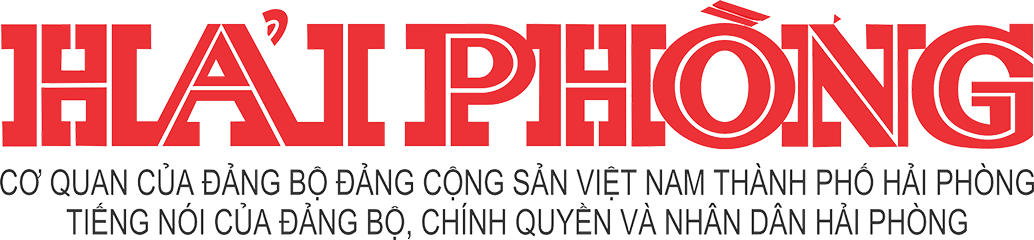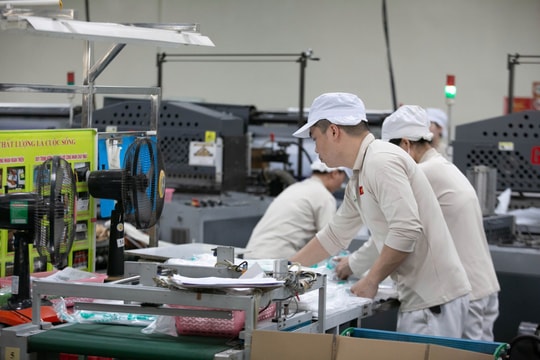
.jpg "Businesses supported to improve productivity, product quality")
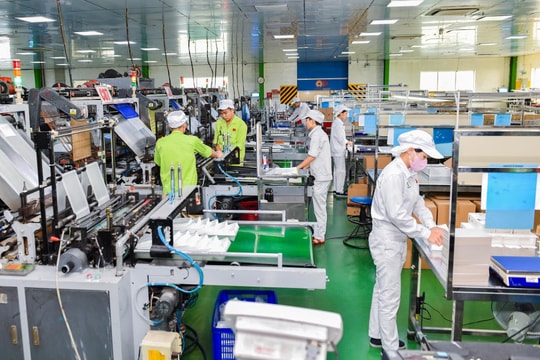
.jpg "FDI inflows define Hai Phong’s position in global value chain")

Gửi bình luận
Hai Phong’s economy has maintained high and stable growth over many years, exceeding the national average and surpassing most localities in the Red River Delta, thereby reinforcing its position as a northern growth pole.
From urgent requirements
Since 2007, the Organisation for Economic Co-operation and Development (OECD) has ranked eastern Hai Phong among the world’s top 10 port cities estimated to suffer the greatest increase in damage by 2070. The administrative merger of Hai Phong and Hai Duong has further expanded the city’s economic space and strengthened its role as an integrated industrial–service hub of the Northern Coastal region.
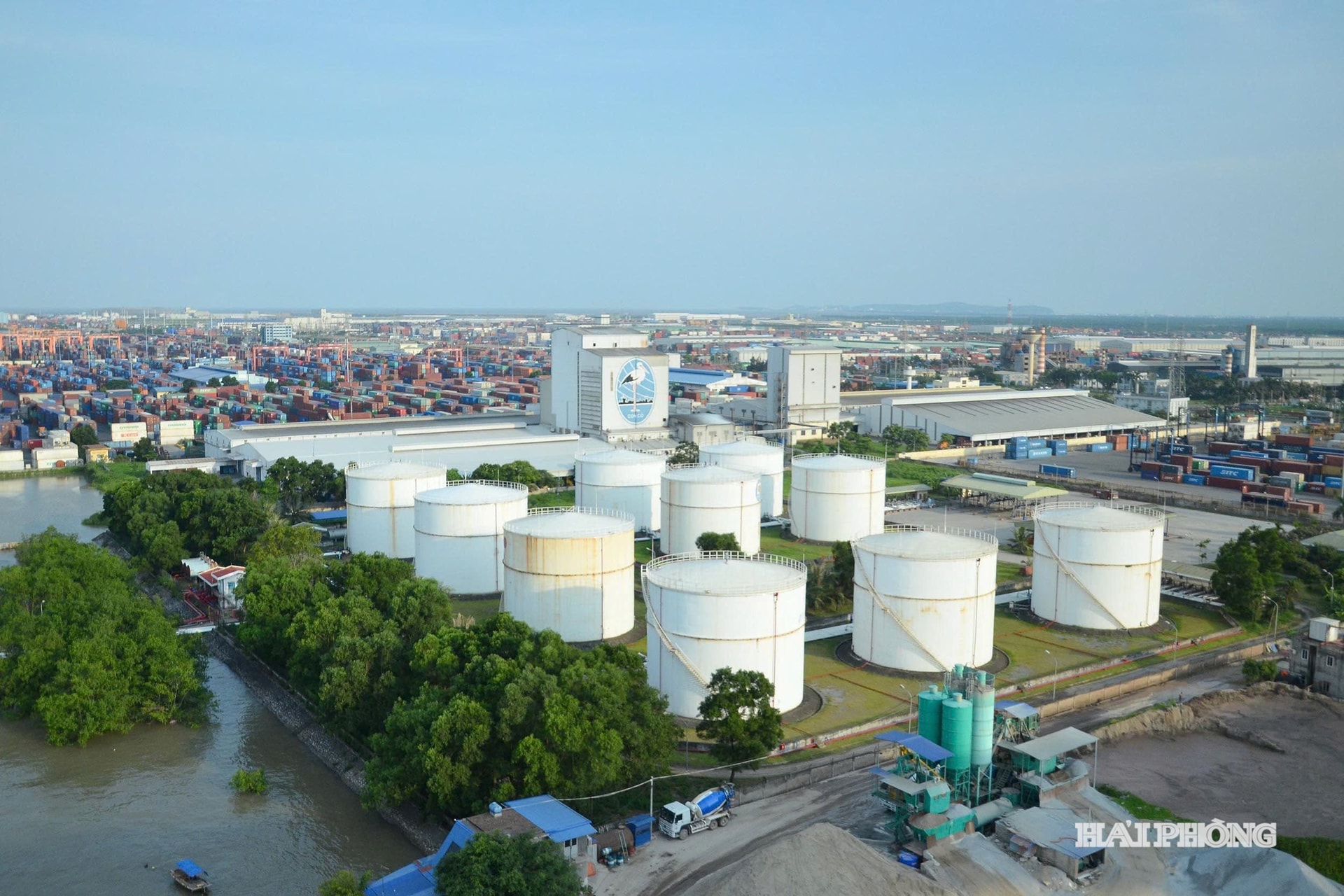
Rapid urbanization and the conversion of agricultural land to industrial and service areas in western Hai Phong and the coastal economic zone have reduced natural water storage areas, increasing the risks of flooding, localized inundation, and riverbank erosion along the Luoc, Hoa, and Thai Binh rivers. The city is divided into two areas experiencing different impacts from natural disasters and climate change. Eastern Hai Phong is directly and severely affected by marine-related hazards, including sea-level rise, extreme storms, coastal erosion, and sedimentation of port navigation channels. Western Hai Phong, although located inland, has suffered significant damage from increasingly extreme weather conditions such as heavy rainfall, flooding, drought, and saltwater intrusion.
According to Mr. Pham Van Thuan, Deputy Director of the Department of Agriculture and Environment, Hai Phong has taken the lead in green transformation and environmental protection to respond to climate change through practical actions. Hai Phong was among the first localities nationwide to issue an action plan implementing the National Green Growth Strategy, with targets set for 2030 and a long-term vision toward 2050.
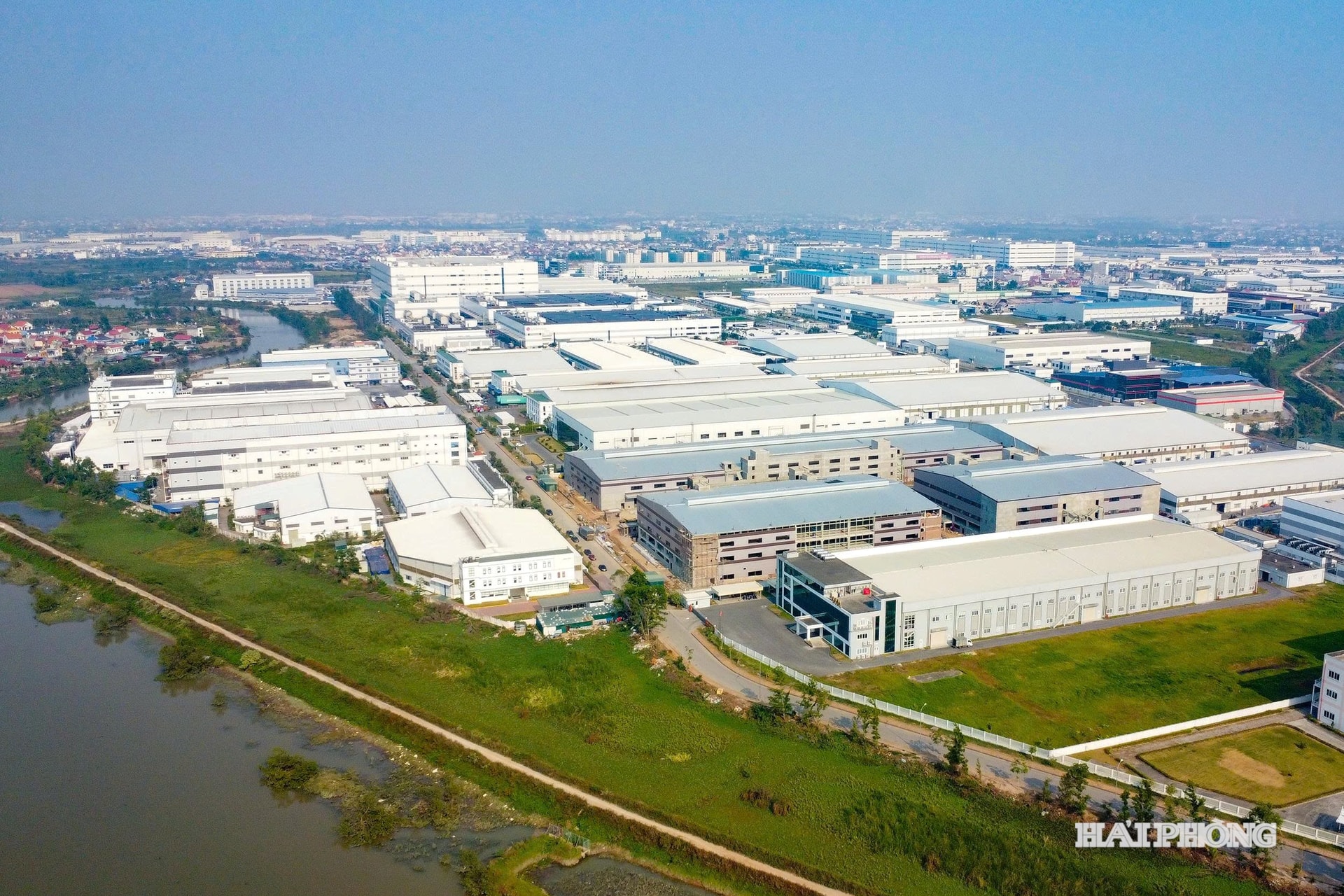
The city is oriented toward building a sustainable development model by transitioning to low-carbon industries and prioritizing the use of clean and renewable energy sources such as solar and wind power. Industrial parks and clusters are being developed under a “green, ecological, and smart” model.
Hai Phong also encourages the integration of green transformation with digital transformation to improve efficiency and enhance business competitiveness, while expanding green transformation across multiple sectors, including transport, construction, logistics, tourism, and urban development.
Green transformation becomes a business imperative
Mr. Bruno Jaspert—CEO of the DEEP C Industrial Park Complex and Chairman of the European Business Association in Vietnam explained that DEEP C’s development strategy is built on four key pillars: people, nature, economic efficiency, and cooperation. This reflects the DEEP C leadership’s deep concern about climate change, as climate change not only affects the environment but also directly threatens human lives and ecosystems today, while posing major challenges for future generations.
Aligning with Vietnam’s green port development strategy, Hateco Hai Phong International Container Terminal (HHIT) has marked a new milestone in port operations in Vietnam by meeting green, safe, modern, and smart standards through the application of advanced technologies. The port has integrated Optical Character Recognition (OCR) technology into its ship-to-shore (STS) crane systems and introduced Vietnam’s first automated gate system with integrated OCR, helping to shorten truck travel time while reducing carbon emissions from equipment and vehicles.
HHIT is also deploying NAVIS N4 terminal operating software and the TAS truck appointment system, gradually eliminating paper-based processes and enabling customers to book appointments online without visiting the port in person. These applications make a significant contribution to reducing greenhouse gas emissions in daily operations. In addition, the port has installed solar power systems and planted a large number of trees.
In the context of increasingly complex climate change impacts, emission reduction has become an urgent requirement, not only at the national level but also as a specific responsibility of each locality, sector, and production facility. This is a journey for businesses to create new value, enhance competitiveness and credibility in the market, and gain access to green finance, clean technologies, and international partners.
There are approximately 48,000 active businesses operating in the city, including thousands of facilities with significant emission sources that pose potential risks of environmental pollution. Mobilizing businesses to actively participate in environmental protection efforts is essential to successfully implementing the city’s initiatives to protect natural resources and the environment, as well as to respond to climate change.
Huy Vu